
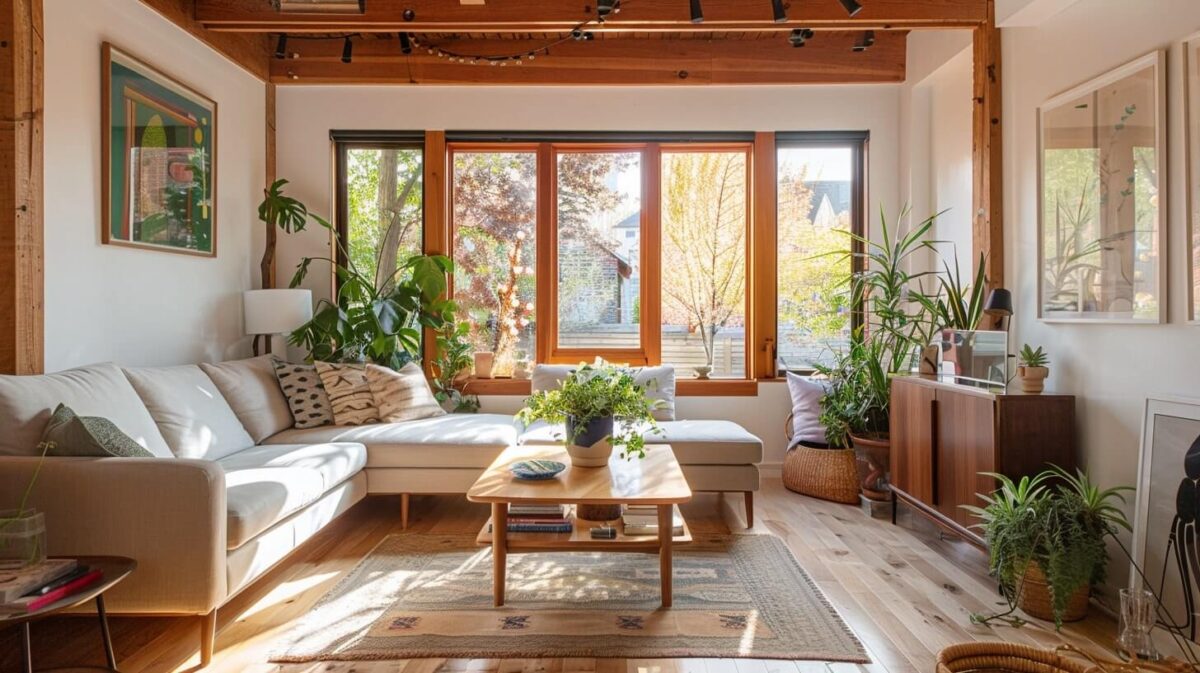
When you’re planning a home remodel in Allen, TX, choosing sustainable materials can significantly impact both your space and the environment. You’ll want to explore local suppliers for reclaimed or recycled options, and consider certified materials that ensure responsible sourcing. It’s essential to understand the benefits of different materials—like renewable options such as bamboo or cork—but the process doesn’t stop there. Knowing where to find these materials and how to assess their sustainability can be crucial. What you’ll discover next might surprise you as you navigate these choices.
Understanding Sustainable Materials
When it comes to home remodeling, you might wonder what sustainable materials really mean. Essentially, these are materials that cause minimal harm to the environment while promoting ecological balance.
You’ll find that sustainable materials often come from renewable sources, such as bamboo or reclaimed wood, which reduce the depletion of natural resources. They’re also designed to be non-toxic and energy-efficient, ensuring that your home not only looks good but is healthier for you and the planet.
When choosing sustainable options, consider the lifecycle of the materials, including their production, transportation, and disposal impacts.
Benefits of Sustainable Choices
Choosing sustainable materials for your home remodel brings a wealth of benefits that extend beyond just aesthetics.
First, you’ll contribute to environmental conservation by reducing waste and lowering your carbon footprint. Sustainable materials often require less energy to produce, which means a smaller environmental impact.
Additionally, these choices can improve your home’s energy efficiency, leading to lower utility bills over time. You’ll also enjoy enhanced indoor air quality, as many sustainable options are free from harmful chemicals and toxins.
Moreover, using durable materials means less frequent replacements, saving you money in the long run.
Popular Sustainable Materials
Sustainable materials are gaining popularity among homeowners looking to remodel responsibly. Bamboo is a top choice due to its rapid growth and strength, making it an eco-friendly alternative to traditional hardwood.
Reclaimed wood offers unique character while reducing waste, perfect for flooring or cabinetry. For countertops, consider recycled glass or sustainable quartz, which combine beauty with durability.
If you’re updating your walls, natural clay or low-VOC paints can enhance air quality. Don’t overlook insulation; options like sheep’s wool or denim are both effective and renewable.
Local Resources in Allen
In Allen, you can find a variety of local resources that cater to your sustainable remodeling needs. Local suppliers like EcoBuilding Bargains offer reclaimed materials and eco-friendly products, perfect for your project.
You can also visit the Allen Community Recycling Center, where you’ll discover options for recycling old building materials. Check out local hardware stores that stock sustainable brands, ensuring you support businesses committed to green practices.
Don’t forget to connect with area contractors who specialize in sustainable construction techniques. They can guide you in selecting materials that align with your eco-friendly goals.
Tips for Sustainable Sourcing
When embarking on a home remodel, sourcing materials sustainably can feel overwhelming, but it doesn’t have to be. Start by researching local suppliers who offer reclaimed or recycled materials.
Visit nearby salvage yards or Habitat for Humanity ReStores for unique finds. Consider materials with certifications like Forest Stewardship Council (FSC) for wood products, ensuring responsible sourcing.
Prioritize eco-friendly options like bamboo or cork for flooring, which are renewable and durable. Don’t forget to ask questions about the production process and lifecycle of materials to make informed choices.
Frequently Asked Questions
What Is the Lifespan of Sustainable Materials Compared to Traditional Ones?
Sustainable materials often last just as long, if not longer, than traditional ones.
Their durability comes from natural resilience and eco-friendly manufacturing, which means you’ll enjoy a lasting investment while minimizing environmental impact.
How Do I Verify a Material’s Sustainability Credentials?
To verify a material’s sustainability credentials, check for certifications like FSC or LEED.
Research the manufacturer’s practices and look for transparency in sourcing.
Don’t hesitate to ask questions—knowledge is key to making informed choices.
Are Sustainable Materials More Expensive Than Conventional Options?
Sustainable materials can sometimes cost more upfront, but they often save you money in the long run through energy efficiency and durability.
Plus, investing in them supports a healthier environment for everyone.
Can I Combine Sustainable Materials With Non-Sustainable Ones?
Yes, you can combine sustainable materials with non-sustainable ones.
It allows you to balance cost and environmental impact.
Just ensure the combination enhances your design while still prioritizing efficiency and durability for your space.
What Are Some Common Misconceptions About Sustainable Building Materials?
You might think sustainable materials are too expensive or lack variety.
However, many options are affordable and stylish.
It’s also a misconception that they’re less durable; many sustainable choices are actually designed to last longer.
Conclusion
By choosing sustainable materials for your home remodel in Allen, TX, you’re not just enhancing your space; you’re also making a positive impact on the environment. From reclaimed wood to renewable options like bamboo, every choice counts. Utilize local resources and salvage yards to find unique pieces that fit your style. With informed decisions, you’ll create a beautiful, eco-friendly home that reflects your values and contributes to a healthier planet for future generations.