Categories
Blog

How to Plan a Remodel if You Have Allergies or Sensitivities

If you’re planning a remodel and have allergies or sensitivities, start by identifying your specific triggers and documenting them. Choose low-VOC paints and natural materials like wool for carpets. Guarantee proper ventilation by keeping windows open and using air purifiers with HEPA filters. Collaborate with contractors who understand allergy-friendly practices and maintain clear communication. After the remodel, thoroughly clean the space to eliminate dust and allergens. There’s much more you can do to create a safe environment.

Understanding Your Allergies and Sensitivities

How well do you know your allergies and sensitivities? Identifying what triggers your reactions is essential before you start remodeling.

Take note of common allergens, like dust, mold, and certain chemicals. Keep a journal of your symptoms to pinpoint specific sensitivities. Consult with an allergist for professional guidance; they can help clarify what materials or substances to avoid.

Understanding your unique triggers empowers you to make informed decisions during the remodeling process. Don’t underestimate the impact of even small changes in your environment.

This knowledge will help you create a safer, more comfortable space tailored to your needs.

Choosing Allergy-Friendly Materials

When you’re remodeling with allergies in mind, selecting the right materials is essential to minimizing your exposure to triggers.

Opt for low-VOC paints and finishes, as they emit fewer harmful compounds. Choose natural fibers like wool or cotton for carpets and upholstery, since synthetics can harbor allergens.

Hard surface flooring, such as hardwood or tile, is easier to clean and less likely to trap dust. For cabinetry and furniture, look for solid wood or formaldehyde-free options.

Finally, consider moisture-resistant materials in areas prone to mold, ensuring a healthier environment throughout your home.

Make these choices to support your well-being.

Ensuring Proper Ventilation During Remodeling

Even with allergy-friendly materials in place, proper ventilation is essential during your remodeling project. You should keep windows open whenever possible, allowing fresh air to circulate and help dissipate any harmful fumes or dust.

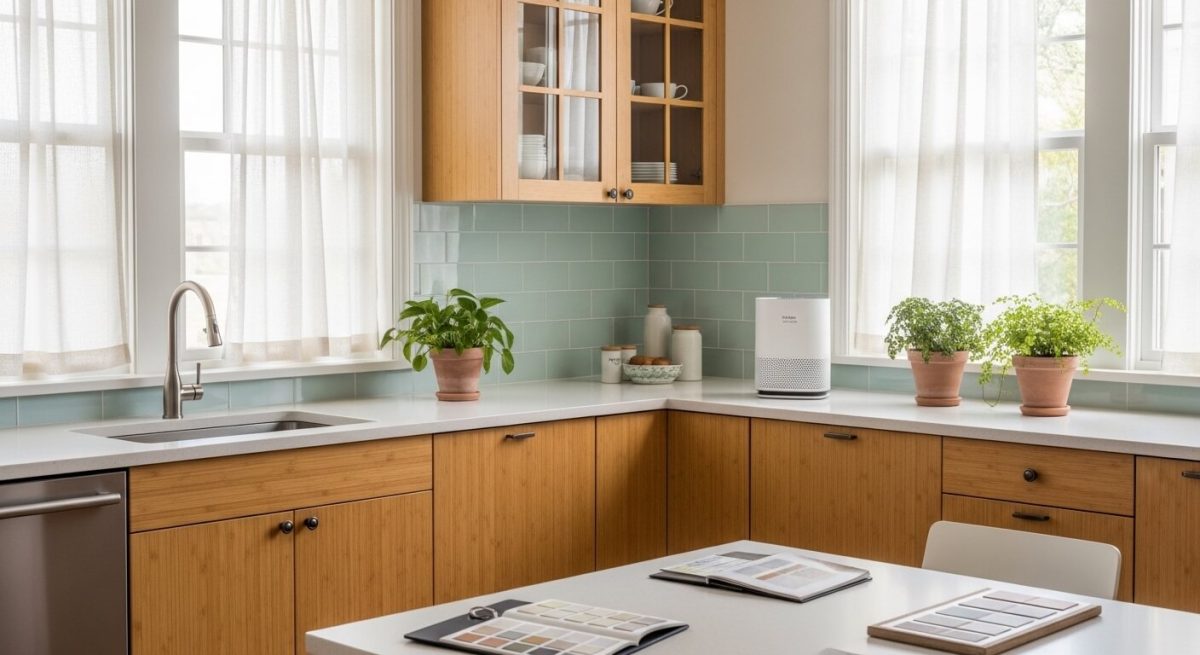
Use fans to direct airflow out of the space, and consider investing in an air purifier with a HEPA filter for added protection. If you’re working in a closed-off area, take regular breaks outdoors to minimize exposure.

Monitoring humidity levels is also important, as excessive moisture can lead to mold growth, which can trigger allergies. Prioritize ventilation to create a healthier environment throughout your remodel.

Collaborating With Allergy-Conscious Contractors

Finding the right contractor is essential for a successful remodel, especially if you have allergies. Look for professionals experienced in allergy-sensitive projects.

Ask about their knowledge of low-VOC materials and hypoallergenic options. Share your specific needs and concerns upfront, ensuring they understand the importance of minimizing allergens during the remodel.

Request references from past clients who’d similar sensitivities, and discuss their approaches to maintaining a clean workspace. Clear communication is key; don’t hesitate to ask questions or voice concerns throughout the process.

Collaborating with a contractor who prioritizes your health can make all the difference in your remodeling experience.

Maintaining a Clean and Safe Environment Post-Remodel

Once the remodeling project wraps up, keeping your home clean and safe becomes a top priority, especially for those with allergies.

Start by thoroughly cleaning every surface, as dust and debris can linger. Use a high-efficiency particulate air (HEPA) vacuum to capture allergens effectively.

Consider using air purifiers to filter out any remaining particles. Maintain proper ventilation by regularly opening windows or using exhaust fans.

Implement a no-shoes policy indoors to minimize dirt and allergens.

Finally, establish a regular cleaning schedule to keep potential allergens at bay, ensuring your newly remodeled space remains a healthy haven for you and your loved ones.

Frequently Asked Questions

What Should I Do if I Experience a Reaction During Remodeling?

If you experience a reaction during remodeling, step outside for fresh air, remove any irritants, and wash your skin if needed.

Consider consulting a doctor if symptoms persist or worsen.

Stay safe and listen to your body.

How Can I Minimize Dust Exposure During the Remodel?

To minimize dust exposure during your remodel, seal off work areas with plastic sheeting.

Use a HEPA filter vacuum, and wear a mask.

Regularly damp mop surfaces to keep dust at bay and improve air quality.

Are There Specific Plants That Help Improve Indoor Air Quality?

Yes, some plants like spider plants, peace lilies, and snake plants can improve indoor air quality.

They absorb toxins and release oxygen, making your space healthier and more pleasant.

Just remember to care for them properly!

How Long Should I Wait to Return After Remodeling?

You should wait at least 24 to 48 hours after remodeling before returning.

Guarantee proper ventilation during this time, and consider using air purifiers to enhance air quality and reduce potential allergens as you re-enter.

What Are the Signs of Poor Indoor Air Quality Post-Remodel?

Signs of poor indoor air quality post-remodel include persistent odors, increased dust, eye irritation, headaches, respiratory issues, and allergic reactions.

If you notice these, it’s essential to improve ventilation and consider air purification solutions.

Conclusion

By planning your remodel with your allergies and sensitivities in mind, you can create a comfortable and safe living space. Choosing the right materials, ensuring proper ventilation, and collaborating with contractors who understand your needs will make a significant difference. After the remodel, keep your environment clean to minimize triggers. With these steps, you’ll enjoy your newly renovated space without compromising your health. Prioritizing your well-being during the process is key to a successful outcome.

Categories
Blog

How to Combine Modern and Traditional Design in a Texas Home

To combine modern and traditional design in your Texas home, embrace natural materials like reclaimed wood and stone for warmth. Incorporate Texan art to reflect local culture, and balance your color palette with neutral bases and bold accents. Mix furniture styles, blending a sleek modern sofa with vintage pieces for personality. Finally, highlight architectural features with strategic lighting to enhance their charm. Discover more ideas to create a harmonious space that tells your unique story.

Embrace Natural Materials

When you embrace natural materials in your Texas home, you create a warm and inviting atmosphere that blends seamlessly with both modern and traditional design elements.

Think rustic wood beams, stone accents, and earthy textiles, which add texture and depth to your space. Incorporate reclaimed wood furniture or natural stone surfaces to enhance the organic feel.

You might also consider using clay or terracotta for pottery, which brings a touch of tradition. By choosing materials that reflect your surroundings, you not only honor Texas’s rich heritage but also create a timeless aesthetic that resonates with comfort and style.

Incorporate Texan Art and Decor

To enhance the character of your Texas home, incorporating local art and decor can create a vibrant connection to the region’s culture and history.

Think about displaying pieces from Texan artists, such as paintings, sculptures, or handcrafted pottery. These elements can serve as conversation starters and add depth to your space.

Consider vintage cowboy memorabilia or Native American textiles for a traditional touch. Don’t forget about local photography that captures the stunning Texas landscape.

Balance Color Palettes

Striking a balance in color palettes can transform your Texas home into a harmonious blend of modern and traditional design.

Start by choosing a neutral base, like soft grays or warm beige, which creates a versatile backdrop. Then, incorporate bold, modern hues—think deep blues or vibrant teals—for accents.

For traditional elements, introduce rich, earthy tones such as terracotta or olive green. Use these colors in textiles, artwork, and accessories to tie the space together.

Mix Furniture Styles

Balancing color palettes sets the stage for blending modern and traditional design, but mixing furniture styles brings your vision to life.

Start by choosing a statement piece, like a sleek modern sofa, then layer in traditional accents, such as an antique coffee table or vintage chairs.

Don’t shy away from contrasts; a rustic wooden bench can look stunning against a contemporary dining table.

Aim for cohesion by sticking to a unified color scheme or similar materials.

This blend creates visual interest and reflects your unique personality.

Highlight Architectural Features

While you’re blending modern and traditional design elements, don’t overlook the importance of highlighting architectural features that can enhance your home’s character.

Focus on showcasing elements like exposed beams, intricate moldings, or unique windows. These features tell your home’s story and create a visual dialogue between styles.

Use strategic lighting to accentuate these details, drawing the eye and adding warmth. Keep furniture and decor minimal around these areas, allowing the architecture to shine.

By doing this, you’ll create a harmonious space where modern simplicity meets traditional charm, making your home inviting and distinctly you.

Embrace what makes your space unique!

Frequently Asked Questions

How Do I Choose the Right Modern Fixtures for a Traditional Home?

You choose the right modern fixtures for a traditional home by considering scale, finishes, and materials.

Blend sleek designs with classic elements, ensuring they complement your home’s character while adding a fresh touch to the overall aesthetic.

What Are Some Common Mistakes When Blending Modern and Traditional Styles?

You’ll often overlook scale, mixing too many styles, or neglecting color harmony.

Avoid clashing materials, and don’t forget to maintain a cohesive theme.

Balancing elements is key to creating a harmonious and inviting space.

Can I Use Bold Colors in a Traditional Texas Home Design?

Absolutely, you can use bold colors in a traditional Texas home design!

Incorporate vibrant hues through accents like pillows or artwork, balancing them with neutral tones to maintain harmony while adding personality and energy to your space.

How Can I Ensure Harmony Between Modern and Traditional Elements?

You can guarantee harmony by balancing modern and traditional elements through color palettes, materials, and textures.

Incorporate clean lines with rustic finishes, and choose furniture that blends both styles for a cohesive look.

What Budget Should I Expect for Combining These Design Styles?

You can expect a budget ranging from $10,000 to $50,000, depending on the scale of changes.

Prioritize key elements, like furniture and fixtures, to create a balanced look without overspending.

Planning helps keep costs manageable.

Conclusion

By blending modern and traditional design elements in your Texas home, you create a space that’s uniquely yours. Embrace natural materials, showcase local art, and balance your color palettes to achieve harmony. Mixing furniture styles adds character while highlighting architectural features brings depth to your design. Remember, it’s all about finding that perfect balance that reflects your personality and lifestyle. So go ahead, make your home a true reflection of Texas charm and modern flair!

Categories
Blog

How to Avoid Remodeling Scams and Unlicensed Work in Allen, TX

To avoid remodeling scams and unlicensed work in Allen, TX, start by researching contractors through recommendations and online reviews. Verify their licenses and insurance to protect yourself from potential liabilities. Watch for warning signs like pressure tactics or lack of transparency in communication. Always get detailed, written estimates and contracts to avoid misunderstandings. Trust your instincts—if something feels off, it’s okay to walk away and seek better options. More tips ahead can help you stay informed.

Researching Contractors: The First Step to Safety

When it comes to remodeling your home in Allen, TX, researching contractors is essential for your safety.

Start by asking friends and family for recommendations, as personal experiences can guide you to reliable options. Check online reviews and ratings to gauge contractor reputations.

Make a list of potential candidates and visit their websites to explore their portfolios. Don’t hesitate to reach out for references; talking to past clients can reveal valuable insights.

Ultimately, trust your instincts—if something feels off, it’s best to keep looking. Taking these steps can help you find trustworthy professionals for your remodeling project.

Verifying Licenses and Insurance

After narrowing down your list of potential contractors, the next step is verifying their licenses and insurance.

Check with the Texas Department of Licensing and Regulation to confirm that the contractor holds the necessary licenses for your project.

Don’t stop there—ask for proof of insurance, including liability and workers’ compensation. This safeguards you from potential financial liability if accidents occur during the job.

A reputable contractor should willingly provide this information. If they hesitate or refuse, consider it a red flag.

Recognizing Warning Signs of Scams

How can you tell if a contractor is legitimate? Watch for warning signs that indicate a potential scam.

If a contractor pressures you for an immediate decision or requests a large upfront payment, be cautious. They might also lack a physical office or provide only a cell phone number.

Check for online reviews, but be wary of overly positive feedback that seems fake. Poor communication or evasive answers about their experience can also be red flags.

Getting Written Estimates and Contracts

Identifying a legitimate contractor is just the first step in your remodeling journey; securing written estimates and contracts is essential for protecting yourself.

Always request detailed, itemized estimates from multiple contractors. This guarantees you understand the scope of work and can compare costs effectively.

Once you’ve selected a contractor, insist on a written contract that outlines project timelines, payment schedules, and materials to be used.

Don’t ignore this step—verbal agreements can lead to misunderstandings. A solid contract provides clarity and accountability, helping you avoid potential disputes down the road.

Always read the fine print before signing anything!

Trusting Your Instincts: When to Walk Away

Even if a contractor seems perfect on paper, trust your instincts when something feels off.

If you sense hesitance in their responses or notice inconsistencies in their claims, don’t ignore those red flags. Pay attention to your gut feelings during meetings or site visits.

If the contractor pushes for an immediate decision or payment, it’s a sign to reconsider. Remember, a trustworthy professional won’t rush you.

Walking away might feel tough, but it’s better than facing potential scams or unlicensed work. Prioritize your peace of mind and safety over a seemingly good deal.

Trust yourself; you know what feels right.

Frequently Asked Questions

How Do I Find Local Reviews for Contractors in Allen, TX?

You can find local reviews for contractors in Allen, TX, by checking online platforms like Yelp, Google Reviews, or Angie’s List.

Ask friends and neighbors for recommendations, too; their experiences can guide your decision.

What Are Common Types of Remodeling Scams to Watch For?

Common remodeling scams include upfront payment requests, pressure tactics for quick decisions, and contractors using fake licenses.

Always verify credentials, compare estimates, and trust your instincts if something feels off during the process.

How Can I Report a Suspected Contractor Scam in Texas?

To report a suspected contractor scam in Texas, contact the Texas Attorney General’s Office or file a complaint with the Better Business Bureau.

Document everything and gather evidence to support your claim for a stronger case.

What Should I Do if a Contractor Demands Full Payment Upfront?

If a contractor demands full payment upfront, you should refuse and negotiate a more reasonable payment plan.

Trustworthy contractors typically ask for a deposit, not the entire amount.

Protect yourself by researching and verifying their credentials.

Are There Specific Remodeling Permits Required in Allen, TX?

Yes, you’ll need specific permits for remodeling in Allen, TX, depending on the project.

Check with the city’s planning department to guarantee compliance with local regulations and avoid potential fines or delays in your renovation.

Conclusion

By taking the time to research contractors, verify their licenses, and recognize warning signs, you can protect yourself from scams in Allen, TX. Always get written estimates and contracts to ensure clarity in your project. Trust your instincts—if something feels off, don’t hesitate to walk away. Remember, it’s better to be cautious than to risk your money and home. With the right precautions, you can confidently find a trustworthy contractor for your remodeling needs.

Categories
Blog

How to Prep Your Home for Handyman Services in Allen, TX

To prep your home for handyman services in Allen, TX, start by clearing the work area of furniture and obstacles. Communicate your needs and expectations clearly, using visuals if possible. Gather materials you’ll need and organize them for easy access. Secure pets in a quiet space and lock away valuables to avoid any accidents. Finally, choose a convenient schedule that works for both you and the handyman. There’s more to contemplate to guarantee a smooth process.

Clear the Work Area

Before your handyman arrives, it’s essential to clear the work area. Move any furniture, decorations, or obstacles that might interfere with their work. This not only makes the job easier but also guarantees your belongings stay safe.

If it’s an outdoor project, tidy up the yard, trimming back any overgrown plants or relocating garden items. Check for any safety hazards like loose wires or slippery surfaces, and address them beforehand.

A clean, organized space allows your handyman to work efficiently and effectively. By taking these steps, you’ll help guarantee a smoother and quicker service experience.

Communicate Your Needs

How can you guarantee your handyman understands your vision? Start by clearly outlining your needs and expectations.

Provide details about the tasks you want completed, including any specific styles or materials you prefer. Use visuals, like photos or sketches, to illustrate your ideas.

Don’t hesitate to ask questions if you’re unsure about anything; open communication fosters a better understanding. Be honest about your budget and timeline, too.

The more transparent you are, the easier it’ll be for your handyman to deliver results that match your vision.

Gather Necessary Materials

Gathering the necessary materials is an essential step to guarantee your handyman can complete the job efficiently.

Start by reviewing the list of tasks you discussed and identify what’s needed. Purchase items like screws, paint, or other supplies, making certain you’ve got the right quantities and types. If your handyman suggested specific brands or products, be sure to include those.

Having everything on hand saves time and helps avoid delays. Organize the materials in a designated area to make it easy for your handyman to access them.

This preparation shows respect for their time and enhances the overall experience for both of you.

Secure Pets and Valuables

While preparing for handyman services, it’s essential to secure your pets and valuables to guarantee a smooth working environment.

Start by placing your pets in a safe, quiet area away from the work zone. This keeps them calm and prevents any accidents.

For your valuables, consider locking them in a drawer or cabinet, especially items that could be easily damaged or misplaced.

Inform your handyman about any specific locations of valuable items, so they can work around them.

Set a Convenient Schedule

Once your pets and valuables are secured, it’s time to set a convenient schedule for the handyman’s visit.

Think about your daily routine and select a time that minimizes disruptions. Handymen often have flexible hours, so don’t hesitate to ask for options that fit your needs.

If possible, plan for a day when you can be home to address any questions or concerns. Confirm the appointment ahead of time to avoid any last-minute surprises.

Frequently Asked Questions

How Do I Choose the Right Handyman for My Project?

To choose the right handyman, check reviews and ask for recommendations.

Confirm they’re licensed and insured.

Discuss your project clearly, and get multiple quotes to compare.

Trust your instincts when making the final decision.

What Types of Services Do Handyman Typically Offer?

Handymen typically offer services like plumbing repairs, electrical work, carpentry, painting, drywall installation, and general maintenance.

You can rely on them for small projects or home improvements that require a mix of skills and expertise.

How Can I Ensure Quality Workmanship?

To guarantee quality workmanship, communicate clearly with your handyman, set realistic expectations, and ask for references.

Regularly check their progress, and don’t hesitate to address concerns directly for the best results in your project.

Is There a Warranty on Handyman Services?

Yes, many handyman services offer warranties on their work.

It’s crucial you ask about warranty details before starting.

This guarantees you’re covered for any issues, giving you peace of mind after the job’s done.

What Should I Do if I’m Not Satisfied With the Work?

If you’re not satisfied with the work, communicate your concerns directly to the handyman.

Discuss what needs fixing or adjusting, and give them a chance to resolve the issues before considering other options.

Conclusion

By taking these steps, you’ll ensure a smooth experience with your handyman in Allen, TX. Clearing the work area and communicating your needs helps the handyman work efficiently, while gathering materials and securing pets keeps everything safe. Setting a convenient schedule allows for better planning on both sides. With a little preparation, you can make the most of your handyman services and enjoy the enhancements to your home without any hassle.

Categories
Blog

Why Electrical and Plumbing Repairs Should Never Be DIY in Allen, TX

DIY electrical and plumbing repairs can be dangerous and costly in Allen, TX. You risk severe shocks, fires, or water damage by underestimating the complexity of these systems. Without proper knowledge, you may even face legal issues or fines for unlicensed work. One small mistake can lead to expensive repairs that far outweigh any savings. Hiring professionals guarantees the job gets done safely and correctly, protecting your home and finances. Discover more about the essential benefits of professional services.

Understanding the Risks of DIY Electrical Repairs

Although tackling DIY electrical repairs might seem like a cost-effective solution, you should be aware of the significant risks involved. One wrong move can lead to severe electrical shocks or even fires. You might underestimate the complexity of the wiring, putting your safety in jeopardy.

Additionally, without proper knowledge, you could accidentally damage your home’s electrical system, leading to costly repairs. Furthermore, local codes often require permits and inspections, which you mightn’t know about.

Hiring a licensed electrician not only guarantees safety but also assures compliance with regulations, giving you peace of mind in your home. Don’t take unnecessary risks.

The Dangers of Attempting Plumbing Fixes Without Expertise

Attempting plumbing repairs without the right expertise can lead to a host of problems, much like the risks associated with DIY electrical work.

You might think you can handle a leaky faucet or a clogged drain, but without proper knowledge, you could inadvertently cause significant damage. A simple mistake can result in water damage, mold growth, or even flooding.

Plus, improper repairs can lead to costly repairs down the line. It’s easy to underestimate the complexity of plumbing systems, so skipping professional help can turn a minor issue into a major headache.

Don’t risk it—call a licensed plumber instead.

Legal Implications of Unlicensed Work in Texas

Have you considered the legal consequences of hiring unlicensed workers for plumbing or electrical repairs in Texas? If you do, you might face significant fines and legal liabilities.

Texas requires licensed professionals for these trades to guarantee safety and compliance with local codes. If an unlicensed worker causes damage or injury, you could be held responsible.

Additionally, insurance companies may deny claims related to unlicensed work, leaving you financially vulnerable.

Protect yourself by hiring only licensed contractors who meet state regulations. It’s not just about safety; it’s about making sure you’re covered legally when things go wrong.

Costly Consequences of DIY Mistakes

When you tackle electrical or plumbing repairs on your own, the risk of costly mistakes increases considerably.

One wrong move can lead to extensive damage, requiring expensive repairs or even complete system replacements. You might think you’re saving money, but DIY errors can escalate bills quickly.

For instance, a small leak can turn into a flood, damaging walls and flooring. Electrical mishaps can cause fires or electrocution, leading to hefty medical expenses.

Plus, insurance may not cover damages from unlicensed work. Ultimately, the financial burden of DIY mistakes can far outweigh any initial savings you hoped to achieve.

The Benefits of Hiring Professional Services

Hiring professional services for electrical and plumbing repairs not only guarantees the job is done right but also provides peace of mind.

Experts have the experience and training to tackle complex issues safely and efficiently. They understand local codes and regulations, reducing the risk of fines or future problems.

Additionally, professionals often offer warranties on their work, giving you added protection. By choosing to hire a qualified technician, you save time and avoid the stress of potential mishaps.

Investing in professional services means you can focus on what matters most while guaranteeing your home’s systems are in capable hands.

Frequently Asked Questions

What Qualifications Do Professional Electricians and Plumbers Typically Have?

Professional electricians and plumbers typically have licenses, extensive training, and years of hands-on experience.

They understand code regulations and safety standards, ensuring your repairs are done correctly and efficiently, preventing future issues and costly mistakes.

How Can I Find Licensed Professionals in Allen, TX?

You can find licensed professionals in Allen, TX, by searching online directories, checking local listings, or asking for recommendations from friends or family.

Always verify their licenses and read reviews before hiring anyone.

What Common Tools Do Professionals Use for Electrical and Plumbing Repairs?

Professionals often use tools like multimeters for electrical work, pipe wrenches for plumbing, voltage testers, pliers, and drills.

Having the right tools guarantees they handle repairs efficiently and safely, preventing costly mistakes.

Are There Any Home Warranty Plans That Cover Electrical and Plumbing Services?

Yes, there are home warranty plans that cover electrical and plumbing services.

You should research different providers to find a plan that fits your needs and guarantees you’re protected against unexpected repair costs.

How Can I Prevent Needing Repairs in the First Place?

Regular maintenance is key.

Inspect your systems often, clean drains regularly, and replace old fixtures.

Don’t overload circuits and keep an eye on leaks.

Investing time now will save you from costly repairs later.

Conclusion

In conclusion, tackling electrical and plumbing repairs on your own in Allen, TX, can lead to serious risks and costly consequences. The dangers of improper fixes, legal issues from unlicensed work, and the potential for significant damage far outweigh any savings. By choosing to hire professional services, you ensure the job’s done safely and correctly, giving you peace of mind. Don’t take unnecessary chances—leave it to the experts and protect your home.

Categories
Blog

How to Choose the Right Paint Finish for Each Room in Your Allen, TX Home

Choosing the right paint finish for each room in your Allen, TX home can make a big difference. For cozy living rooms, eggshell or satin finishes create a warm atmosphere. Bedrooms benefit from soft, calming eggshell or satin options. In kitchens and bathrooms, go for durable satin or semi-gloss finishes due to moisture. For dining areas, consider eggshell or matte for inviting vibes. Stick around to explore more tips on maximizing your home’s appeal!

Understanding Paint Finishes: A Quick Overview

When it comes to choosing the right paint finish for your home, understanding the different options is key.

You’ll typically encounter flat, eggshell, satin, semi-gloss, and high-gloss finishes. Flat paint hides imperfections but isn’t washable, making it ideal for ceilings.

Eggshell offers a slight sheen, perfect for low-traffic areas. Satin finishes are durable and easy to clean, suitable for walls in busy spaces.

Semi-gloss and high-gloss finishes shine brightly, making them great for trim and moldings.

Best Paint Finishes for Living Rooms

Choosing the best paint finish for your living room can greatly impact the overall ambiance of the space.

For a warm, inviting feel, consider using an eggshell finish. It offers a subtle sheen that’s easy to clean without being too glossy.

If you want to add a touch of elegance, satin finishes work beautifully, providing both durability and a soft luster.

For high-traffic areas, opt for a semi-gloss finish, as it’s more resistant to wear and tear.

Remember, the right finish can enhance your decor while creating a cozy atmosphere for family gatherings and entertaining guests.

Choose wisely!

Ideal Finishes for Bedrooms

The right paint finish can transform your bedroom into a serene retreat. For this space, consider using an eggshell or satin finish.

These options provide a soft, inviting look while being durable enough to withstand everyday wear. They also offer a subtle sheen that enhances the room’s warmth without being overly reflective.

If you prefer a more luxurious feel, a matte finish can create a cozy atmosphere, though it may require more maintenance.

Stick to calming colors that promote relaxation, and your bedroom will become the perfect sanctuary for rest and rejuvenation.

Choose wisely to make the most of your personal space.

Choosing Paint Finishes for Kitchens and Bathrooms

Since kitchens and bathrooms are high-traffic areas prone to moisture and stains, selecting the right paint finish is essential.

For these spaces, you’ll want to choose durable finishes that can withstand spills and humidity. Satin or semi-gloss paints work well, as they’re easy to clean and resist moisture. Satin offers a softer sheen, while semi-gloss provides a shinier look and added durability.

Avoid flat finishes, as they’re harder to wipe down and may absorb moisture. Consider using mold-resistant paint to further protect your walls.

Ultimately, prioritizing functionality without sacrificing style will keep your kitchens and bathrooms looking fresh and appealing.

Enhancing Dining Areas With the Right Finish

While you mightn’t think as much about paint finishes in dining areas, selecting the right one can greatly enhance the overall ambiance.

For a warm, inviting feel, consider a matte or eggshell finish; these options create a soft look that encourages conversation.

If you want to add a touch of elegance, a satin finish can reflect light beautifully, making the space feel more open.

Avoid high-gloss finishes, as they can be too harsh and distracting.

Remember, the right finish not only complements your decor but also sets the mood for memorable gatherings with family and friends.

Choose wisely!

Frequently Asked Questions

Can I Mix Different Paint Finishes in One Room?

Yes, you can mix different paint finishes in one room!

Just be mindful of the overall aesthetic.

Combining finishes like satin and eggshell can create depth, but make sure they complement each other for a cohesive look.

How Do Paint Finishes Affect Room Lighting?

Paint finishes can dramatically affect room lighting.

Glossy finishes reflect more light, making spaces feel brighter, while matte finishes absorb light, creating a softer, cozier atmosphere.

You’ll want to contemplate your desired ambiance when choosing.

What Type of Finish Is Best for Children’s Rooms?

For children’s rooms, you’ll want a satin or eggshell finish.

These options offer durability and are easy to clean, making them perfect for handling spills and scuffs while still providing a soft, inviting look.

Do Paint Finishes Impact Indoor Air Quality?

Yes, paint finishes can impact indoor air quality.

Lower-VOC and non-toxic options reduce harmful emissions.

You should always choose finishes wisely to guarantee a healthier environment for you and your family in your home.

How Do I Maintain and Clean Different Finishes?

To maintain and clean different finishes, use a damp cloth for matte,

mild soap for eggshell, and a gentle scrub for semi-gloss and gloss.

Always test cleaning methods in an inconspicuous area first.

Conclusion

In choosing the right paint finish for each room in your Allen, TX home, you’re ensuring both style and functionality. Remember, living rooms can benefit from a subtle sheen, while bedrooms may call for a softer, matte look. Kitchens and bathrooms need durable, washable finishes, and dining areas can shine with a semi-gloss. By considering these factors, you’ll create spaces that not only look great but also stand up to everyday use. Happy painting!

Categories
Blog

How to Tell If a Home Repair Is DIY-Friendly or Needs a Handyman in Allen, TX

To determine if a home repair in Allen, TX is DIY-friendly or needs a handyman, assess your skills and past experiences with repairs. Break down the project’s complexity, checking for necessary tools and time commitment. Research local regulations, especially for plumbing or electrical work. Also, consider safety risks involved in the task. If you’re uncertain about managing it all, you might want to get a professional’s help—stick around for more insights on making the right choice.

Assessing Your Skill Level and Experience

Before diving into DIY projects, it’s essential to assess your skill level and experience.

Think about the repairs you’ve handled in the past. Have you successfully completed any home improvement tasks? If you’ve tackled plumbing, electrical work, or carpentry, you might feel confident taking on more complex projects.

However, if you’re new to DIY or have limited experience, it’s wise to start small. Consider watching tutorials or practicing simple tasks before attempting anything major.

Knowing your strengths and weaknesses will help you choose the right projects, ensuring you don’t bite off more than you can chew. Stay realistic about your abilities!

Evaluating the Complexity of the Repair

How do you determine if a repair is too complex for your skill set? Start by breaking down the task into smaller steps.

If you find yourself unsure about any part, it might be a sign to call in a professional. Consider the tools required; if you don’t own or know how to use them, it could complicate the project.

Look for warning signs like structural issues or electrical work, which typically require advanced skills.

Finally, assess the time commitment. If it seems overwhelming or you’re short on time, hiring a handyman might save you stress and guarantee quality work.

Understanding Local Regulations and Codes

Understanding local regulations and codes is essential, as failing to comply can lead to fines or unsafe conditions in your home.

Before starting any repair, check your city’s building codes and zoning laws. These rules vary based on location and project type, so you’ll want to verify your plans align with them.

For example, electrical work often requires permits and inspections, while simple cosmetic updates might not.

Don’t hesitate to reach out to your local building department for guidance. Staying informed helps you avoid costly mistakes and guarantees your home remains safe and up to code.

Considering Time and Cost Factors

When you commence on a DIY home repair project, it’s essential to weigh the time and cost involved to guarantee it’s worth your effort.

Consider how long the task will take, including prep and cleanup. Are you able to dedicate that time, or will it disrupt your schedule?

Next, evaluate the cost of materials and tools against hiring a handyman. Sometimes, the savings aren’t significant enough to justify the time commitment.

By evaluating these factors, you’ll make a more informed decision, ensuring that your DIY endeavor is both manageable and financially sensible.

Plan wisely to maximize your results.

Recognizing Safety Risks and Hazards

While tackling DIY home repairs can be rewarding, it’s essential to recognize the safety risks and hazards that may arise.

Always assess your workspace for potential dangers, like exposed wires or unstable ladders. If you’re dealing with heavy materials or using power tools, wear appropriate safety gear, such as goggles and gloves.

Be mindful of chemicals and guarantee proper ventilation. If the repair involves plumbing or electrical work, the risks can multiply greatly.

Trust your instincts; if you feel unsure or unsafe, it’s best to call a handyman. Prioritizing safety guarantees your project remains a positive experience.

Frequently Asked Questions

What Tools Do I Need for Common DIY Repairs?

You’ll need a hammer, screwdriver set, pliers, tape measure, utility knife, level, and adjustable wrench for common DIY repairs.

A drill and a stud finder also come in handy for more complex tasks around the house.

How Can I Find a Reliable Handyman in Allen, TX?

To find a reliable handyman in Allen, TX, ask friends for recommendations, check online reviews, and interview candidates.

Make sure they’re licensed and insured, and request quotes to compare pricing and services offered.

What Are Warning Signs That I Should Call a Professional?

If you notice extensive damage, persistent leaks, or electrical issues, it’s time to call a professional.

Don’t ignore safety hazards or complex repairs—those signs often indicate you need expert help to avoid costly mistakes.

Can I DIY Repairs if I’m Renting My Home?

You can DIY repairs in a rental, but check your lease first.

Some landlords require professional work for certain issues.

Always document your repairs and communicate with your landlord to avoid potential disputes later.

How Do I Document My DIY Repairs for Future Reference?

You can document your DIY repairs by taking clear photos, writing detailed notes, and keeping receipts for materials.

Organize everything in a folder or digital file for easy reference in the future.

Conclusion

In the end, deciding whether a home repair is DIY-friendly or needs a handyman comes down to your skills, the repair’s complexity, and potential safety risks. Always weigh your experience against the task at hand, check local regulations, and consider how much time and money you can invest. If a project feels overwhelming or poses safety hazards, it’s best to call in a professional. Trust your instincts, and don’t hesitate to seek help when needed!

Categories
Blog

A Beginner’s Guide to Home Repair Tools Every Allen, TX Homeowner Should Have

As a homeowner in Allen, TX, you’ll want to start with essential hand tools like a reliable hammer, a set of screwdrivers, a tape measure, and utility knives. For DIY projects, consider power tools like a cordless drill, circular saw, and sander. Don’t forget safety gear, including safety glasses and gloves. Organizing your tools efficiently will save you time, and maintaining them properly guarantees they’ll last. Discover more about optimizing your home repair toolkit.

Essential Hand Tools for Every Homeowner

Every homeowner should have a solid set of hand tools on hand to tackle common repairs and maintenance tasks.

Start with a reliable hammer and a set of screwdrivers—both flathead and Phillips. A tape measure is essential for accurate measurements, while utility knives come in handy for various cutting tasks.

Include a pair of pliers and a wrench for gripping and turning. Don’t forget a level for ensuring straight lines and a set of adjustable wrenches for plumbing jobs.

Finally, a sturdy toolbox keeps everything organized, making it easy to find the right tool when you need it most.

Power Tools to Consider for DIY Projects

While hand tools are important for basic repairs, power tools can greatly expand your DIY capabilities. A cordless drill is essential for drilling holes and driving screws quickly and efficiently.

A circular saw makes cutting wood easy, whether for furniture or home improvements. Consider a jigsaw for more intricate cuts and a sander to achieve smooth finishes.

An impact driver can help with tougher tasks, providing extra torque. If you’re tackling larger projects, a table saw is invaluable.

Investing in these power tools will help you tackle a variety of projects and improve your skills as a DIY enthusiast in Allen, TX.

Safety Gear and Equipment

When tackling home repair projects, having the right safety gear and equipment is critical for protecting yourself.

Start with safety glasses to shield your eyes from debris. Ear protection is essential when using loud power tools, while gloves can prevent cuts and scrapes. A dust mask is important for breathing clean air, especially during sanding or painting.

Steel-toed boots offer foot protection when handling heavy materials. Don’t forget a hard hat if you’re working in areas where falling objects are a risk.

Organizing and Storing Your Tools

Keeping your tools organized can make a world of difference in your home repair projects. Start by designating a specific storage area, like a tool chest or pegboard.

Group similar tools together—hammers with hammers, screwdrivers with screwdrivers—to save time searching. Use clear bins or labels for easy identification. Magnetic strips are great for keeping small items like screws and nails in check.

Remember to return tools to their designated spots after each use; it’ll help you maintain order. Regularly declutter your workspace, discarding broken or unnecessary items.

An organized setup not only boosts efficiency but also enhances your enjoyment of DIY tasks.

Tips for Maintaining Your Tools

To guarantee your tools last and perform at their best, regular maintenance is essential.

Start by cleaning your tools after each use to remove dirt and debris. For metal tools, oil moving parts to prevent rust and guarantee smooth operation.

Check for any damage, like dull blades or broken handles, and repair or replace them as needed.

Store tools in a dry, temperature-controlled environment to avoid moisture damage.

Finally, keep an inventory of your tools, noting any maintenance performed, so you’re always prepared for your next project.

Consistent care will extend their lifespan and reliability.

Frequently Asked Questions

What Is the Best Way to Learn DIY Home Repair Skills?

The best way to learn DIY home repair skills is by starting small.

Watch online tutorials, practice hands-on projects, and don’t hesitate to ask experienced friends for advice.

You’ll gain confidence and improve your skills quickly!

How Do I Choose the Right Tool for a Specific Job?

To choose the right tool for a specific job, assess the task requirements, consider tool capabilities, and prioritize your comfort.

Research options, ask for recommendations, and don’t hesitate to consult instructional resources for guidance.

Where Can I Find Tutorials for Home Repair Projects?

You can find tutorials for home repair projects on websites like YouTube, DIY blogs, and home improvement forums.

These resources offer step-by-step guides, videos, and community support to help you tackle your repairs confidently.

What Are the Most Common Home Repair Mistakes to Avoid?

You should avoid rushing projects, neglecting safety precautions, using the wrong tools, and skipping measurements.

Don’t overlook proper research or underestimate costs, as these mistakes can lead to bigger problems and wasted time and money.

How Do I Know When to Hire a Professional Instead?

You should hire a professional when a repair feels overwhelming, involves complex systems, or requires specialized skills.

If safety’s a concern or you lack the tools, it’s best to call in an expert.

Conclusion

In conclusion, having the right tools makes all the difference in your home repair projects. By equipping yourself with essential hand tools, power tools, and safety gear, you’ll be ready for any DIY challenge. Don’t forget to keep your tools organized and well-maintained to ensure they last. With these tips, you’ll feel confident tackling repairs around your Allen, TX home and enjoying the satisfaction that comes from doing it yourself. Happy repairing!

Categories
Blog

Should You Live at Home During a Remodel? Pros & Cons for Allen, TX Residents

Living at home during a remodel has its pros and cons, especially for residents in Allen, TX. You get to oversee the work firsthand and make quick decisions, but the constant noise and dust can disrupt your daily routine. Consider how major the renovations are and how well your family adapts to chaos. If you want to manage the process effectively, tips for creating a comfortable space during construction can make a big difference.

Advantages of Staying Home During a Remodel

Staying home during a remodel can actually offer several advantages that make the process smoother for you.

You get to oversee the work firsthand, ensuring everything aligns with your vision. Being present allows for quick decisions, reducing delays caused by miscommunication.

Plus, you can easily address any issues that arise, keeping the project on track. Staying put also minimizes the hassle of moving and finding temporary housing, saving you time and money.

You maintain your routine, which can provide a sense of stability amidst the chaos. Overall, your involvement can lead to a more satisfying renovation experience.

Disadvantages of Living in a Construction Zone

While staying in your home during a remodel can have its perks, living in a construction zone often comes with significant downsides that can disrupt your daily life.

Noise and dust are constant companions, making it hard to relax or concentrate. You might find yourself maneuvering around tools and materials, which can be a safety hazard, especially for kids or pets.

Limited access to certain rooms can disrupt your routine, and you may have to deal with temporary living arrangements for essential activities like cooking or bathing.

Factors to Consider Before Making Your Decision

Before you decide to live at home during a remodel, it’s essential to weigh several factors that could impact your comfort and peace of mind.

Consider the extent of the renovations—are major structural changes involved? Think about your daily routine and how construction noise might disrupt it.

Evaluate your family’s adaptability to living in a construction zone, especially if you have young children or pets.

Additionally, assess your budget; staying home can save money but could lead to unplanned expenses from stress or damage.

Finally, reflect on your emotional tolerance for chaos and inconvenience during the remodeling process.

Tips for Managing Your Home During a Remodel

Living at home during a remodel can be challenging, but with the right strategies, you can maintain some sense of normalcy.

Start by setting up a designated living space that’s separate from the chaos. Keep essential items organized and easily accessible.

Establish a daily routine to provide structure, and communicate clearly with your contractors about your needs and schedule. Don’t hesitate to ask questions or voice concerns.

Finally, create a temporary kitchen area if your kitchen is affected, and consider using outdoor spaces for relaxation.

Staying flexible and positive will help you navigate the challenges more smoothly.

Alternatives to Living at Home During Renovations

If you prefer not to stay at home during renovations, several alternatives can ease the process.

Consider renting a temporary apartment or vacation home nearby. This gives you space while still keeping you close to your daily routines.

Staying with friends or family can also be a cost-effective option, allowing you to enjoy their company while avoiding the chaos.

If you’re working on a smaller renovation, you might even choose to stay in a hotel for a few nights.

Just make sure to pack essentials and keep communication open with your contractor for updates during the process.

Frequently Asked Questions

How Long Will the Remodeling Process Typically Take in Allen, TX?

The remodeling process in Allen, TX typically takes anywhere from a few weeks to several months, depending on the project’s scope.

You’ll want to plan accordingly to minimize disruptions and guarantee a smooth experience.

Will My Home Insurance Cover Damages During the Remodel?

Your home insurance might cover damages during the remodel, but it depends on your specific policy.

Check with your insurer to clarify coverage details, including any exclusions or required documentation for claims related to renovations.

Can I Still Use My Kitchen During Minor Renovations?

Yes, you can still use your kitchen during minor renovations, but it depends on the scope of work.

If contractors are just updating appliances or fixtures, you might’ve limited access but can still cook.

What Permits Are Needed for Home Remodeling in Allen, TX?

In Allen, TX, you’ll typically need a building permit for structural changes, electrical or plumbing work.

Check with your local zoning office for specific requirements and make certain your project complies with city regulations before starting.

How Can I Ensure My Pets Stay Safe During the Remodel?

To keep your pets safe during the remodel, create a secure space away from construction areas, use baby gates, and make certain they’re comfortable with their toys.

Regularly check on them to ease their anxiety.

Conclusion

Ultimately, deciding whether to live at home during a remodel in Allen, TX, depends on your personal circumstances and comfort level. Weigh the pros and cons carefully, considering factors like your tolerance for noise and disruption. If you choose to stay, implement strategies to manage the chaos effectively. However, if the mess feels overwhelming, exploring alternative living arrangements might be the best option. Whatever you decide, ensure it aligns with your needs and lifestyle during the renovation.

Categories
Blog

The Most Overlooked Repairs Homeowners in Allen, TX Forget to Fix

Homeowners in Allen, TX often forget essential repairs that can lead to bigger problems. Ignoring gutter maintenance can result in water damage and foundation issues. Neglecting roof inspections allows hidden damage to worsen. Overlooking HVAC care reduces efficiency and comfort. Failing to check plumbing can lead to costly leaks. Don’t forget about smoke detectors and electrical issues, which pose serious safety risks. Learn more about these overlooked repairs to keep your home safe and functioning well.

Ignoring Gutter Maintenance

Have you ever considered what might happen if you ignore your gutters? Neglecting gutter maintenance can lead to severe water damage.

When leaves and debris clog your gutters, water overflows, pooling around your foundation. This can cause cracks and even mold growth, threatening your home’s structural integrity.

You might also face pest infestations as stagnant water attracts insects. Regularly cleaning your gutters prevents these issues and saves you money in the long run.

So, take a moment to check them. A little maintenance now can save you from costly repairs later, ensuring your home stays safe and sound.

Don’t wait!

Neglecting Roof Inspections

Ignoring gutter maintenance can lead to serious consequences, but roof inspections often get overlooked as well.

You might think your roof’s in good shape, but hidden damage can silently worsen over time. Cracked shingles, leaks, or weakened structures can compromise your home’s integrity.

Regular inspections help you catch these issues early, saving you money and stress down the line. If you wait until you notice a problem, it could lead to costly repairs or even mold growth.

Schedule an inspection at least once a year, especially after severe weather, to guarantee your roof remains a strong shield for your home.

Overlooking HVAC System Care

How often do you think about your HVAC system? If you’re like most homeowners, it’s probably not often enough.

Neglecting regular maintenance can lead to costly repairs and inefficient performance. Changing air filters every few months is a simple task that can improve air quality and system efficiency.

You should also schedule annual professional inspections to catch potential issues early. Ignoring strange noises or fluctuating temperatures can result in bigger problems down the line.

Don’t let your HVAC system fall by the wayside; proactive care can save you money and guarantee your home stays comfortable year-round.

Failing to Seal Windows and Doors

While you might think your windows and doors are doing their job, failing to seal them properly can lead to significant energy loss and increased utility bills.

Drafts can sneak in unnoticed, making your HVAC system work harder to maintain a comfortable temperature. This not only affects your comfort but also your wallet.

To tackle this issue, inspect your seals regularly and replace any worn-out weatherstripping or caulking. Simple fixes can dramatically improve energy efficiency, enhance your home’s comfort, and save you money.

Don’t overlook this essential task; sealing your windows and doors is a quick and effective home repair.

Skipping Plumbing Checkups

Many homeowners overlook the importance of regular plumbing checkups, but skipping this vital maintenance can lead to costly repairs down the line.

Ignoring leaks, clogs, or pressure issues might seem minor at first, but they can escalate quickly. You could face water damage, mold growth, or even burst pipes if you don’t catch problems early.

Scheduling routine inspections guarantees your plumbing system runs efficiently and helps you spot potential issues before they turn into emergencies.

Don’t wait until it’s too late; invest in your home’s plumbing health now to save yourself time, money, and headaches later on.

Unattended Exterior Paint and Siding

Ignoring plumbing issues can lead to significant damage, but overlooking your home’s exterior paint and siding can be just as detrimental.

Faded or peeling paint not only detracts from your home’s curb appeal but also exposes the siding to moisture, leading to rot and mold. When you let these problems slide, you’re inviting costly repairs down the line.

Regularly inspect your paint and siding for signs of wear, and don’t hesitate to touch up or repaint as needed. Keeping your exterior maintained protects your investment and guarantees your home remains a welcoming sight for years to come.

Disregarding Foundation Cracks

If you overlook foundation cracks, you risk letting small issues escalate into major problems.

Even tiny cracks can lead to significant structural damage if not addressed promptly. Water can seep in, causing mold and further deterioration.

You might notice doors and windows sticking, which is another sign your foundation needs attention. Ignoring these cracks can diminish your home’s value and make future repairs more expensive.

It’s crucial to inspect your foundation regularly, especially after heavy rains or shifts in temperature.

Don’t wait until it’s too late; addressing foundation cracks early can save you time, money, and stress down the line.

Forgetting About Smoke and Carbon Monoxide Detectors

While foundation issues can threaten your home’s stability, overlooking smoke and carbon monoxide detectors can jeopardize your safety.

You might assume these devices are working fine, but regular maintenance is vital. Check the batteries every six months and replace the detectors every ten years. If you haven’t done this, you’re putting your family at risk.

Install detectors on every level of your home, especially near sleeping areas. Don’t forget to test them monthly to verify they’re functioning.

Not Addressing Electrical Issues

Electrical issues can often be easy to overlook, but they pose serious risks to your home and safety. Flickering lights, outlets that feel warm, or tripped circuit breakers shouldn’t be ignored.

These signs indicate potential wiring problems or overloaded circuits that could lead to fire hazards. It’s essential to address these issues promptly. Ignoring them may result in more costly repairs down the line or even jeopardize your family’s safety.

Always consult a licensed electrician for inspections and repairs. Taking these steps not only protects your home but also provides peace of mind, knowing you’ve prioritized a safe environment.

Underestimating Landscape Drainage Problems

Although you might think landscape drainage problems are just a minor inconvenience, they can lead to significant issues for your home and yard.

If water accumulates around your foundation, it can cause mold growth, rot, and structural damage. Plus, poor drainage can lead to erosion, ruining your beautiful landscaping.

You might notice puddles or soggy spots, but ignoring them won’t make them disappear. Instead, invest time in evaluating your drainage system, ensuring it directs water away from your home.

Frequently Asked Questions

How Often Should I Inspect My Gutters?

You should inspect your gutters at least twice a year, ideally in spring and fall.

Regular checks help prevent clogs and water damage, ensuring your home stays safe and your gutters function properly.

What Are Signs of Roof Damage?

You’ll notice signs of roof damage like missing shingles, water stains on ceilings, and granules in gutters.

If you see sagging or daylight through roof boards, it’s time to call a professional for inspection.

When Should I Replace My HVAC Filters?

You should replace your HVAC filters every 1 to 3 months, depending on usage and filter type.

Regular changes improve air quality and system efficiency, preventing costly repairs and ensuring your home stays comfortable year-round.

How Do I Check for Window Air Leaks?

To check for window air leaks, feel around the edges for drafts.

You can use a candle or incense stick; if the smoke wavers, you’ve found a leak.

Seal any gaps with caulk or weatherstripping.

What Plumbing Issues Require Immediate Attention?

If you notice water leaks, slow drains, or unusual noises from pipes, address them immediately.

Ignoring these plumbing issues can lead to costly damage, mold growth, and more extensive repairs down the line.

Don’t wait!

Conclusion

Don’t let these overlooked repairs slip through the cracks in your Allen, TX home. By staying on top of gutter maintenance, roof inspections, and HVAC care, you can prevent bigger issues down the road. Take time to seal windows, check plumbing, and address foundation cracks. Remember to keep your smoke and carbon monoxide detectors in check, tackle any electrical problems, and manage landscape drainage. Being proactive today will save you time and money tomorrow!