Categories
Blog

How to Plan a Remodel if You Have Allergies or Sensitivities

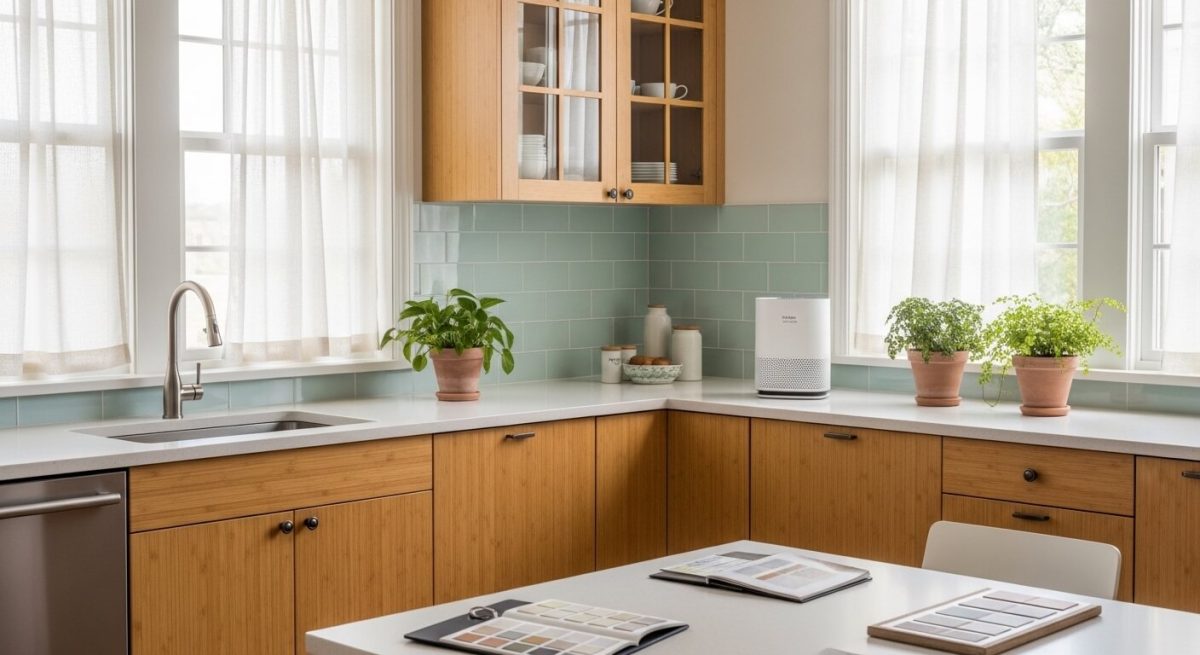
If you’re planning a remodel and have allergies or sensitivities, start by identifying your specific triggers and documenting them. Choose low-VOC paints and natural materials like wool for carpets. Guarantee proper ventilation by keeping windows open and using air purifiers with HEPA filters. Collaborate with contractors who understand allergy-friendly practices and maintain clear communication. After the remodel, thoroughly clean the space to eliminate dust and allergens. There’s much more you can do to create a safe environment.

Understanding Your Allergies and Sensitivities

How well do you know your allergies and sensitivities? Identifying what triggers your reactions is essential before you start remodeling.

Take note of common allergens, like dust, mold, and certain chemicals. Keep a journal of your symptoms to pinpoint specific sensitivities. Consult with an allergist for professional guidance; they can help clarify what materials or substances to avoid.

Understanding your unique triggers empowers you to make informed decisions during the remodeling process. Don’t underestimate the impact of even small changes in your environment.

This knowledge will help you create a safer, more comfortable space tailored to your needs.

Choosing Allergy-Friendly Materials

When you’re remodeling with allergies in mind, selecting the right materials is essential to minimizing your exposure to triggers.

Opt for low-VOC paints and finishes, as they emit fewer harmful compounds. Choose natural fibers like wool or cotton for carpets and upholstery, since synthetics can harbor allergens.

Hard surface flooring, such as hardwood or tile, is easier to clean and less likely to trap dust. For cabinetry and furniture, look for solid wood or formaldehyde-free options.

Finally, consider moisture-resistant materials in areas prone to mold, ensuring a healthier environment throughout your home.

Make these choices to support your well-being.

Ensuring Proper Ventilation During Remodeling

Even with allergy-friendly materials in place, proper ventilation is essential during your remodeling project. You should keep windows open whenever possible, allowing fresh air to circulate and help dissipate any harmful fumes or dust.

Use fans to direct airflow out of the space, and consider investing in an air purifier with a HEPA filter for added protection. If you’re working in a closed-off area, take regular breaks outdoors to minimize exposure.

Monitoring humidity levels is also important, as excessive moisture can lead to mold growth, which can trigger allergies. Prioritize ventilation to create a healthier environment throughout your remodel.

Collaborating With Allergy-Conscious Contractors

Finding the right contractor is essential for a successful remodel, especially if you have allergies. Look for professionals experienced in allergy-sensitive projects.

Ask about their knowledge of low-VOC materials and hypoallergenic options. Share your specific needs and concerns upfront, ensuring they understand the importance of minimizing allergens during the remodel.

Request references from past clients who’d similar sensitivities, and discuss their approaches to maintaining a clean workspace. Clear communication is key; don’t hesitate to ask questions or voice concerns throughout the process.

Collaborating with a contractor who prioritizes your health can make all the difference in your remodeling experience.

Maintaining a Clean and Safe Environment Post-Remodel

Once the remodeling project wraps up, keeping your home clean and safe becomes a top priority, especially for those with allergies.

Start by thoroughly cleaning every surface, as dust and debris can linger. Use a high-efficiency particulate air (HEPA) vacuum to capture allergens effectively.

Consider using air purifiers to filter out any remaining particles. Maintain proper ventilation by regularly opening windows or using exhaust fans.

Implement a no-shoes policy indoors to minimize dirt and allergens.

Finally, establish a regular cleaning schedule to keep potential allergens at bay, ensuring your newly remodeled space remains a healthy haven for you and your loved ones.

Frequently Asked Questions

What Should I Do if I Experience a Reaction During Remodeling?

If you experience a reaction during remodeling, step outside for fresh air, remove any irritants, and wash your skin if needed.

Consider consulting a doctor if symptoms persist or worsen.

Stay safe and listen to your body.

How Can I Minimize Dust Exposure During the Remodel?

To minimize dust exposure during your remodel, seal off work areas with plastic sheeting.

Use a HEPA filter vacuum, and wear a mask.

Regularly damp mop surfaces to keep dust at bay and improve air quality.

Are There Specific Plants That Help Improve Indoor Air Quality?

Yes, some plants like spider plants, peace lilies, and snake plants can improve indoor air quality.

They absorb toxins and release oxygen, making your space healthier and more pleasant.

Just remember to care for them properly!

How Long Should I Wait to Return After Remodeling?

You should wait at least 24 to 48 hours after remodeling before returning.

Guarantee proper ventilation during this time, and consider using air purifiers to enhance air quality and reduce potential allergens as you re-enter.

What Are the Signs of Poor Indoor Air Quality Post-Remodel?

Signs of poor indoor air quality post-remodel include persistent odors, increased dust, eye irritation, headaches, respiratory issues, and allergic reactions.

If you notice these, it’s essential to improve ventilation and consider air purification solutions.

Conclusion

By planning your remodel with your allergies and sensitivities in mind, you can create a comfortable and safe living space. Choosing the right materials, ensuring proper ventilation, and collaborating with contractors who understand your needs will make a significant difference. After the remodel, keep your environment clean to minimize triggers. With these steps, you’ll enjoy your newly renovated space without compromising your health. Prioritizing your well-being during the process is key to a successful outcome.

Categories
Blog

How to Combine Modern and Traditional Design in a Texas Home

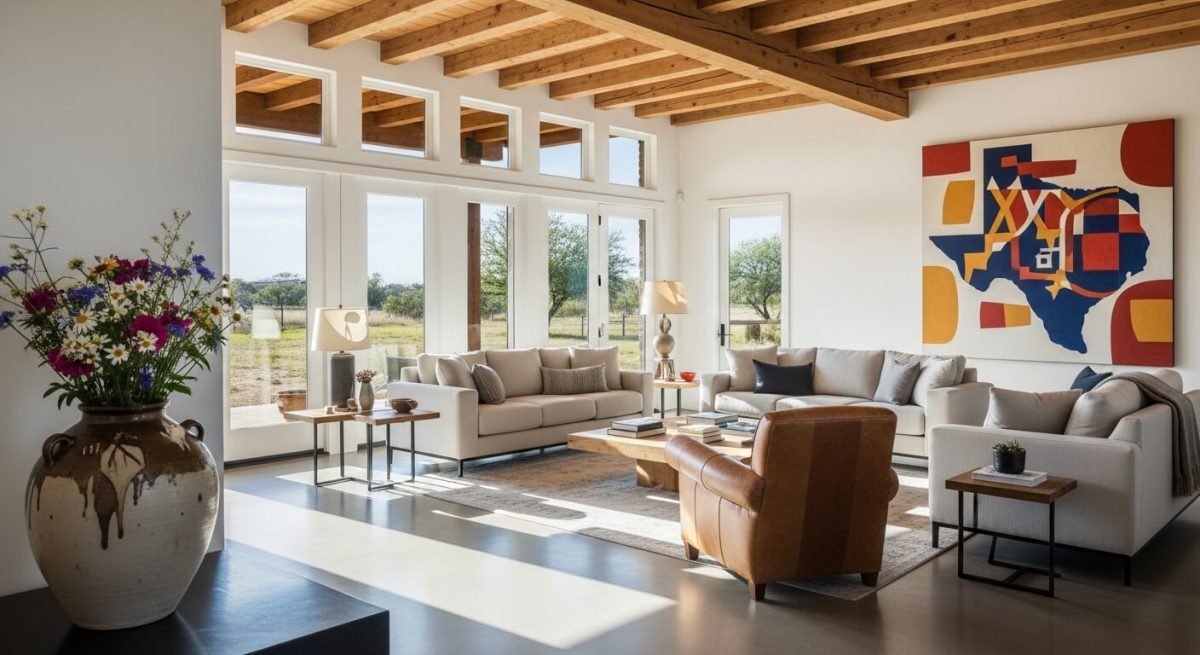
To combine modern and traditional design in your Texas home, embrace natural materials like reclaimed wood and stone for warmth. Incorporate Texan art to reflect local culture, and balance your color palette with neutral bases and bold accents. Mix furniture styles, blending a sleek modern sofa with vintage pieces for personality. Finally, highlight architectural features with strategic lighting to enhance their charm. Discover more ideas to create a harmonious space that tells your unique story.

Embrace Natural Materials

When you embrace natural materials in your Texas home, you create a warm and inviting atmosphere that blends seamlessly with both modern and traditional design elements.

Think rustic wood beams, stone accents, and earthy textiles, which add texture and depth to your space. Incorporate reclaimed wood furniture or natural stone surfaces to enhance the organic feel.

You might also consider using clay or terracotta for pottery, which brings a touch of tradition. By choosing materials that reflect your surroundings, you not only honor Texas’s rich heritage but also create a timeless aesthetic that resonates with comfort and style.

Incorporate Texan Art and Decor

To enhance the character of your Texas home, incorporating local art and decor can create a vibrant connection to the region’s culture and history.

Think about displaying pieces from Texan artists, such as paintings, sculptures, or handcrafted pottery. These elements can serve as conversation starters and add depth to your space.

Consider vintage cowboy memorabilia or Native American textiles for a traditional touch. Don’t forget about local photography that captures the stunning Texas landscape.

Balance Color Palettes

Striking a balance in color palettes can transform your Texas home into a harmonious blend of modern and traditional design.

Start by choosing a neutral base, like soft grays or warm beige, which creates a versatile backdrop. Then, incorporate bold, modern hues—think deep blues or vibrant teals—for accents.

For traditional elements, introduce rich, earthy tones such as terracotta or olive green. Use these colors in textiles, artwork, and accessories to tie the space together.

Mix Furniture Styles

Balancing color palettes sets the stage for blending modern and traditional design, but mixing furniture styles brings your vision to life.

Start by choosing a statement piece, like a sleek modern sofa, then layer in traditional accents, such as an antique coffee table or vintage chairs.

Don’t shy away from contrasts; a rustic wooden bench can look stunning against a contemporary dining table.

Aim for cohesion by sticking to a unified color scheme or similar materials.

This blend creates visual interest and reflects your unique personality.

Highlight Architectural Features

While you’re blending modern and traditional design elements, don’t overlook the importance of highlighting architectural features that can enhance your home’s character.

Focus on showcasing elements like exposed beams, intricate moldings, or unique windows. These features tell your home’s story and create a visual dialogue between styles.

Use strategic lighting to accentuate these details, drawing the eye and adding warmth. Keep furniture and decor minimal around these areas, allowing the architecture to shine.

By doing this, you’ll create a harmonious space where modern simplicity meets traditional charm, making your home inviting and distinctly you.

Embrace what makes your space unique!

Frequently Asked Questions

How Do I Choose the Right Modern Fixtures for a Traditional Home?

You choose the right modern fixtures for a traditional home by considering scale, finishes, and materials.

Blend sleek designs with classic elements, ensuring they complement your home’s character while adding a fresh touch to the overall aesthetic.

What Are Some Common Mistakes When Blending Modern and Traditional Styles?

You’ll often overlook scale, mixing too many styles, or neglecting color harmony.

Avoid clashing materials, and don’t forget to maintain a cohesive theme.

Balancing elements is key to creating a harmonious and inviting space.

Can I Use Bold Colors in a Traditional Texas Home Design?

Absolutely, you can use bold colors in a traditional Texas home design!

Incorporate vibrant hues through accents like pillows or artwork, balancing them with neutral tones to maintain harmony while adding personality and energy to your space.

How Can I Ensure Harmony Between Modern and Traditional Elements?

You can guarantee harmony by balancing modern and traditional elements through color palettes, materials, and textures.

Incorporate clean lines with rustic finishes, and choose furniture that blends both styles for a cohesive look.

What Budget Should I Expect for Combining These Design Styles?

You can expect a budget ranging from $10,000 to $50,000, depending on the scale of changes.

Prioritize key elements, like furniture and fixtures, to create a balanced look without overspending.

Planning helps keep costs manageable.

Conclusion

By blending modern and traditional design elements in your Texas home, you create a space that’s uniquely yours. Embrace natural materials, showcase local art, and balance your color palettes to achieve harmony. Mixing furniture styles adds character while highlighting architectural features brings depth to your design. Remember, it’s all about finding that perfect balance that reflects your personality and lifestyle. So go ahead, make your home a true reflection of Texas charm and modern flair!

Categories
Blog

How to Avoid Remodeling Scams and Unlicensed Work in Allen, TX

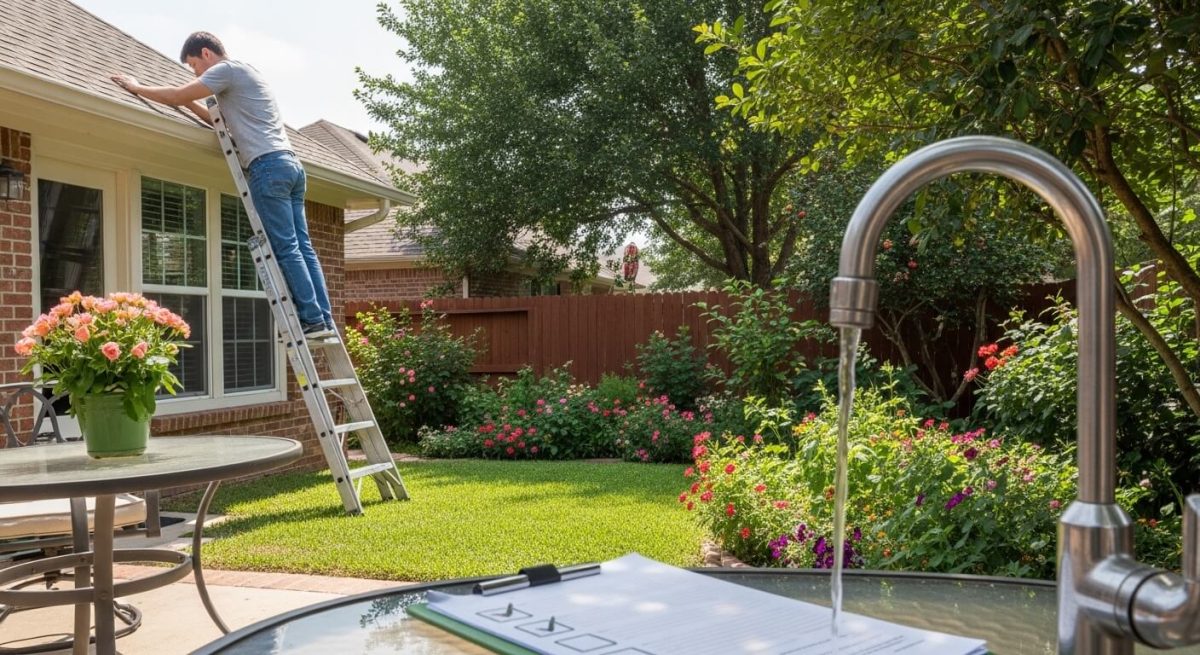
To avoid remodeling scams and unlicensed work in Allen, TX, start by researching contractors through recommendations and online reviews. Verify their licenses and insurance to protect yourself from potential liabilities. Watch for warning signs like pressure tactics or lack of transparency in communication. Always get detailed, written estimates and contracts to avoid misunderstandings. Trust your instincts—if something feels off, it’s okay to walk away and seek better options. More tips ahead can help you stay informed.

Researching Contractors: The First Step to Safety

When it comes to remodeling your home in Allen, TX, researching contractors is essential for your safety.

Start by asking friends and family for recommendations, as personal experiences can guide you to reliable options. Check online reviews and ratings to gauge contractor reputations.

Make a list of potential candidates and visit their websites to explore their portfolios. Don’t hesitate to reach out for references; talking to past clients can reveal valuable insights.

Ultimately, trust your instincts—if something feels off, it’s best to keep looking. Taking these steps can help you find trustworthy professionals for your remodeling project.

Verifying Licenses and Insurance

After narrowing down your list of potential contractors, the next step is verifying their licenses and insurance.

Check with the Texas Department of Licensing and Regulation to confirm that the contractor holds the necessary licenses for your project.

Don’t stop there—ask for proof of insurance, including liability and workers’ compensation. This safeguards you from potential financial liability if accidents occur during the job.

A reputable contractor should willingly provide this information. If they hesitate or refuse, consider it a red flag.

Recognizing Warning Signs of Scams

How can you tell if a contractor is legitimate? Watch for warning signs that indicate a potential scam.

If a contractor pressures you for an immediate decision or requests a large upfront payment, be cautious. They might also lack a physical office or provide only a cell phone number.

Check for online reviews, but be wary of overly positive feedback that seems fake. Poor communication or evasive answers about their experience can also be red flags.

Getting Written Estimates and Contracts

Identifying a legitimate contractor is just the first step in your remodeling journey; securing written estimates and contracts is essential for protecting yourself.

Always request detailed, itemized estimates from multiple contractors. This guarantees you understand the scope of work and can compare costs effectively.

Once you’ve selected a contractor, insist on a written contract that outlines project timelines, payment schedules, and materials to be used.

Don’t ignore this step—verbal agreements can lead to misunderstandings. A solid contract provides clarity and accountability, helping you avoid potential disputes down the road.

Always read the fine print before signing anything!

Trusting Your Instincts: When to Walk Away

Even if a contractor seems perfect on paper, trust your instincts when something feels off.

If you sense hesitance in their responses or notice inconsistencies in their claims, don’t ignore those red flags. Pay attention to your gut feelings during meetings or site visits.

If the contractor pushes for an immediate decision or payment, it’s a sign to reconsider. Remember, a trustworthy professional won’t rush you.

Walking away might feel tough, but it’s better than facing potential scams or unlicensed work. Prioritize your peace of mind and safety over a seemingly good deal.

Trust yourself; you know what feels right.

Frequently Asked Questions

How Do I Find Local Reviews for Contractors in Allen, TX?

You can find local reviews for contractors in Allen, TX, by checking online platforms like Yelp, Google Reviews, or Angie’s List.

Ask friends and neighbors for recommendations, too; their experiences can guide your decision.

What Are Common Types of Remodeling Scams to Watch For?

Common remodeling scams include upfront payment requests, pressure tactics for quick decisions, and contractors using fake licenses.

Always verify credentials, compare estimates, and trust your instincts if something feels off during the process.

How Can I Report a Suspected Contractor Scam in Texas?

To report a suspected contractor scam in Texas, contact the Texas Attorney General’s Office or file a complaint with the Better Business Bureau.

Document everything and gather evidence to support your claim for a stronger case.

What Should I Do if a Contractor Demands Full Payment Upfront?

If a contractor demands full payment upfront, you should refuse and negotiate a more reasonable payment plan.

Trustworthy contractors typically ask for a deposit, not the entire amount.

Protect yourself by researching and verifying their credentials.

Are There Specific Remodeling Permits Required in Allen, TX?

Yes, you’ll need specific permits for remodeling in Allen, TX, depending on the project.

Check with the city’s planning department to guarantee compliance with local regulations and avoid potential fines or delays in your renovation.

Conclusion

By taking the time to research contractors, verify their licenses, and recognize warning signs, you can protect yourself from scams in Allen, TX. Always get written estimates and contracts to ensure clarity in your project. Trust your instincts—if something feels off, don’t hesitate to walk away. Remember, it’s better to be cautious than to risk your money and home. With the right precautions, you can confidently find a trustworthy contractor for your remodeling needs.