Categories
Blog

How to Protect Newly Remodeled Areas From Wear and Tear

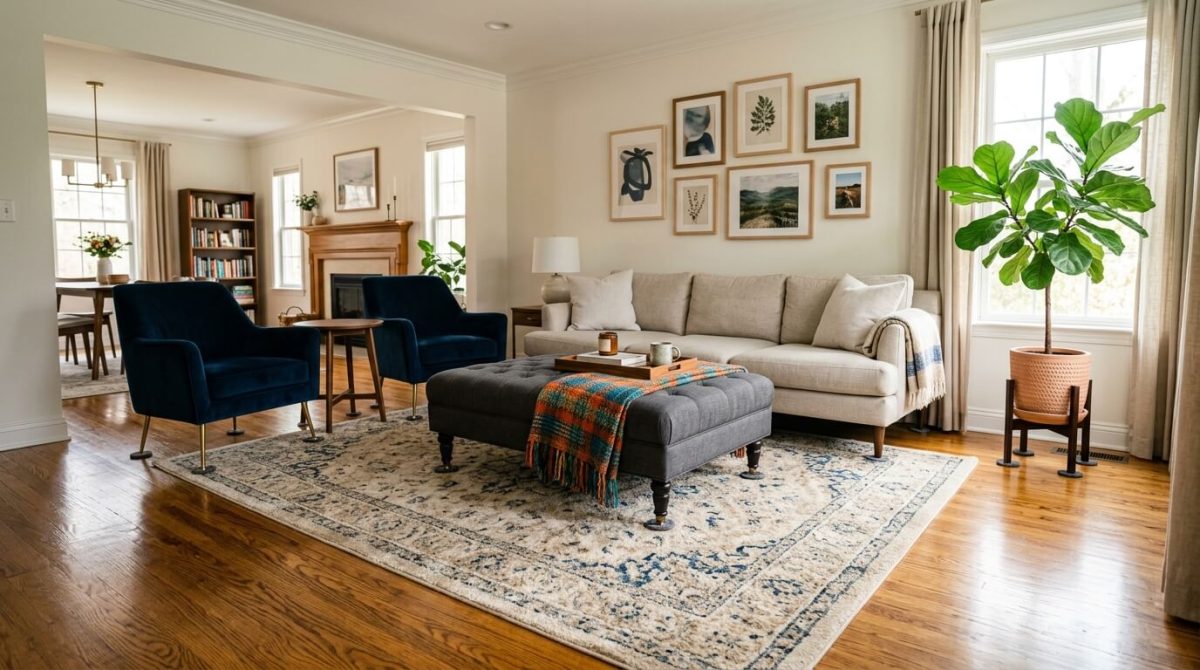
To protect your newly remodeled areas from wear and tear, choose durable materials like hardwood or ceramic tiles. Implement a regular cleaning routine to keep surfaces in top shape. Use protective covers and pads on furniture to prevent scratches. Designate high-traffic zones to minimize damage in less-used areas. Finally, educate family members and guests on proper care practices to maintain the beauty of your space. Discover more tips to enhance your home’s durability and charm.

Choose Durable Materials for Long-Lasting Results

When you’re remodeling, choosing durable materials is essential to guarantee your new spaces stand the test of time.

Opt for high-quality options like hardwood flooring, ceramic tiles, or quartz countertops that resist wear and tear. They may be pricier upfront, but they’ll save you money and headaches in the long run.

Consider materials that are water-resistant and easy to clean, especially for kitchens and bathrooms. Additionally, think about finishes that can withstand scratches and stains.

Implement Regular Cleaning and Maintenance Routines

To keep your newly remodeled areas looking their best, it’s essential to implement regular cleaning and maintenance routines.

Start by creating a schedule that outlines daily, weekly, and monthly tasks. Daily dusting and sweeping can prevent dirt buildup, while weekly deep cleans help maintain surfaces.

Don’t forget to check for any wear and tear—attend to minor repairs before they escalate. Use appropriate cleaning products for different materials, ensuring you don’t damage finishes.

Use Protective Covers and Pads

Regular cleaning and maintenance routines are just one part of keeping your newly remodeled areas in top shape.

To further protect your investment, use protective covers and pads. These can shield surfaces from scratches, dents, and stains. For furniture, consider felt pads to prevent damage to floors.

If you have upholstered items, use slipcovers to guard against spills and wear. Don’t forget about high-use areas like countertops; a durable cover can keep them looking fresh.

Establish Designated High-Traffic Zones

Although you can’t prevent foot traffic entirely, establishing designated high-traffic zones can greatly minimize wear and tear in your newly remodeled areas.

Identify the paths people most frequently use, like entryways and hallways, and mark them clearly. Use durable materials in these zones, such as rugs or tiles, to withstand constant use.

Encourage movement through these areas, while keeping less-traveled spots pristine. Consider adding signage or visual cues to guide guests and family members.

Educate Family Members and Guests on Care Practices

While it’s easy to overlook the importance of care practices, educating family members and guests about how to maintain your newly remodeled areas is essential for longevity.

Start by sharing cleaning methods, like using gentle products that won’t damage surfaces. Explain the significance of keeping shoes off certain areas to prevent scratches or stains.

Consider creating a simple guide or checklist for everyone to reference. Encourage open communication; if someone accidentally spills something, they should feel comfortable reporting it.

Frequently Asked Questions

What Types of Durable Materials Are Best for High-Traffic Areas?

For high-traffic areas, you’ll want to choose durable materials like porcelain tile, luxury vinyl plank, or natural stone.

These options resist scratches and stains, ensuring your space looks great even with heavy foot traffic.

How Often Should I Clean Newly Remodeled Areas?

You should clean newly remodeled areas at least once a week to maintain their appearance and longevity.

If they’re high-traffic zones, consider more frequent cleanings.

Regular upkeep prevents dirt buildup and prolongs the beauty of your renovations.

Are There Specific Protective Covers for Furniture?

Yes, there are specific protective covers for furniture.

You can use slipcovers, furniture protectors, or even custom-fit covers.

These options help shield your furniture from dust, spills, and wear, keeping it looking fresh longer.

What Can I Use to Mark High-Traffic Zones?

You can use brightly colored tape, floor markers, or even rugs to mark high-traffic zones.

These visual cues help remind everyone to be cautious, reducing wear and tear in those areas over time.

How Do I Teach Kids Proper Care Practices?

You can teach kids proper care practices by demonstrating tasks, encouraging responsibility, and making it fun.

Use games or rewards to motivate them, and consistently remind them why taking care of their environment matters.

Conclusion

By choosing durable materials, sticking to a regular cleaning routine, and using protective covers, you can keep your newly remodeled areas looking fresh. Designating high-traffic zones helps minimize wear, while educating family and guests on care practices ensures everyone plays a part in preserving your space. With these simple strategies, you’ll enjoy your beautiful remodel for years to come, maintaining its charm and functionality through everyday life.
Categories
Blog

The Best Flooring Options for Texas Weather and Lifestyle

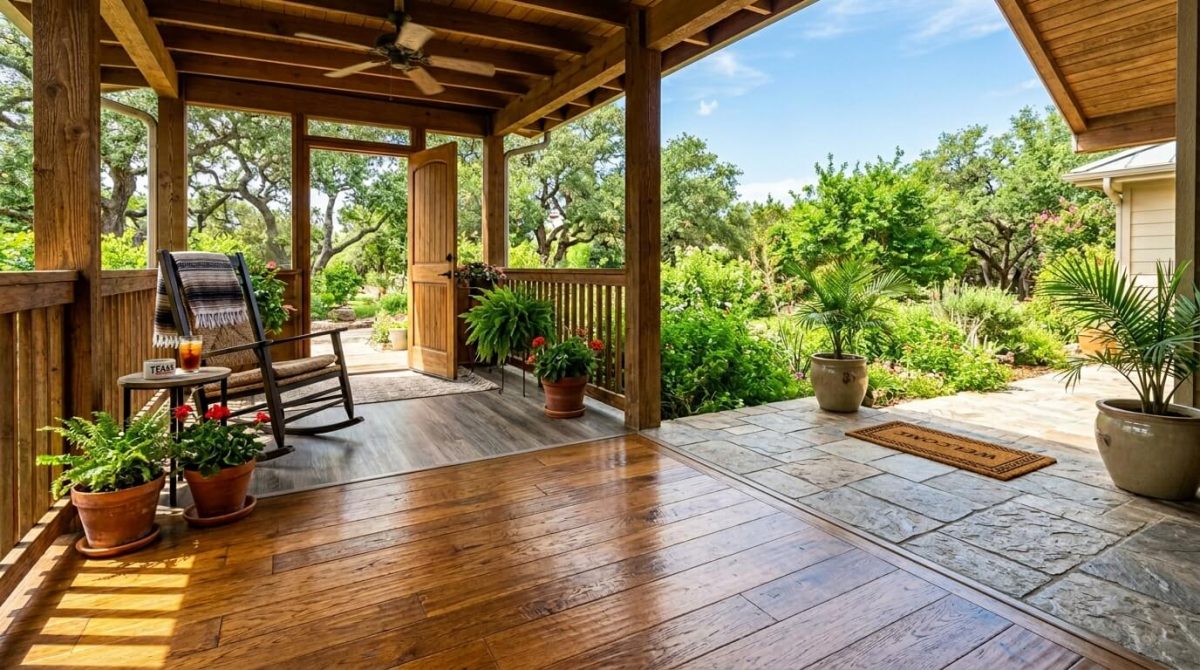
When selecting flooring for Texas, consider options that resist heat, humidity, and heavy foot traffic. Luxury vinyl is durable and moisture-resistant, while porcelain tile offers water resistance and modern style. Engineered hardwood combines beauty with stability, making it ideal for fluctuating temperatures. For outdoors, textured concrete pavers create an inviting space. Eco-friendly choices like bamboo and reclaimed hardwood are great for sustainability. Discover more about the best flooring materials to suit your lifestyle and weather circumstances.

Understanding Texas Weather and Its Impact on Flooring

As you consider flooring options, it’s important to understand how Texas weather can affect your choices. With its hot summers and occasional humidity, the climate can lead to expansion or contraction in certain flooring materials.

You’ll need to think about temperature fluctuations and potential moisture issues. For instance, some woods might warp, while others hold up better.

Additionally, the intense sun can fade some materials over time. By understanding these factors, you can make informed decisions that not only enhance your home’s aesthetic but also guarantee durability and longevity, adapting to Texas’s unique environmental challenges.

Top Durable Flooring Materials for High Traffic Areas

When you’re choosing flooring for high-traffic areas in your Texas home, durability should be at the top of your list.

Consider options like luxury vinyl, which resists scratches and moisture while offering various styles. Laminate is another great choice, mimicking wood or tile while standing up to wear and tear.

If you prefer natural materials, porcelain tile is incredibly tough and water-resistant, making it perfect for busy spaces.

Finally, engineered hardwood combines the beauty of wood with enhanced stability, ideal for fluctuating Texas humidity.

These materials will keep your floors looking great, no matter how much foot traffic they face.

Stylish Options for Indoor and Outdoor Living Spaces

High-traffic areas deserve durable flooring, but stylish options can elevate both your indoor and outdoor living spaces.

Consider using porcelain tiles for a sleek, modern look that withstands Texas weather while offering endless design choices. If you prefer warmth, luxury vinyl planks mimic hardwood beautifully and resist moisture.

For outdoor areas, textured concrete or elegant pavers create visual interest and enhance your patio. Don’t forget rugs or mats to add comfort and style.

Eco-Friendly Flooring Choices for the Environmentally Conscious

If you’re looking to make more sustainable choices in your home, eco-friendly flooring options can be both stylish and responsible.

Bamboo is a fantastic choice, as it’s fast-growing and durable.

Cork flooring, harvested from tree bark, offers natural insulation and comfort underfoot.

Reclaimed hardwood gives you character and history while reducing waste.

For a modern touch, consider recycled vinyl or linoleum, which can mimic other materials and are often made from post-consumer products.

Each of these options not only enhances your space but also supports a healthier planet, ensuring your home reflects your values and lifestyle.

Maintenance Tips for Longevity in Texas Homes

To guarantee your flooring lasts through the diverse Texas climate, regular maintenance is essential.

Start by sweeping or vacuuming frequently to remove dirt and debris. For hardwoods, use a damp mop with a gentle cleaner, avoiding excess water.

If you’ve got tile, clean grout lines regularly to prevent mold growth. In humid areas, consider using a dehumidifier to protect against moisture damage.

For carpets, invest in professional cleaning every year.

Finally, inspect your flooring for scratches or wear, addressing issues promptly to maintain both appearance and durability.

With these simple steps, you’ll enjoy your flooring for years to come.

Frequently Asked Questions

What Flooring Options Are Best for Homes With Pets in Texas?

For homes with pets in Texas, consider durable options like tile, vinyl, or laminate.

These materials resist scratches, stains, and moisture, making clean-up easier while providing a stylish look that suits your lifestyle.

How Does Humidity Affect Different Flooring Types in Texas?

Humidity can warp hardwood, causing gaps and buckling, while laminate might swell.

Vinyl and tile handle moisture better, resisting damage.

You’ll want to contemplate these factors when choosing flooring for your Texas home.

Are There Any Flooring Options That Help Reduce Noise?

Yes, carpet and cork flooring greatly reduce noise.

They absorb sound, creating a quieter environment.

If you’re looking for something stylish yet functional, consider these options to enhance your home’s comfort and acoustics.

What Is the Average Lifespan of Popular Flooring Materials in Texas?

The average lifespan of popular flooring materials in Texas varies:

hardwood lasts 25-30 years,

laminate around 15-25 years,

tile can exceed 50 years,

and vinyl typically ranges from 10-20 years, depending on maintenance and usage.

Can I Install Flooring Myself, or Should I Hire a Professional?

You can install flooring yourself if you’re handy and have the right tools, but hiring a professional guarantees a polished look and saves time.

Consider your skill level and the project’s complexity before deciding.

Conclusion

Choosing the right flooring for your Texas home is essential for both comfort and style. With the state’s unique weather and lifestyle, you’ll want to opt for durable, stylish, and eco-friendly materials that can withstand high traffic and outdoor living. By considering your options and following maintenance tips, you can ensure your flooring lasts for years to come. So, take the time to explore your choices and invest in flooring that suits your Texas lifestyle perfectly!

Categories
Blog

How Long Common Home Repairs Really Take in Allen, TX

Home repairs in Allen, TX can vary widely in duration. Minor plumbing fixes, like leaky faucets, usually take about 30 minutes to an hour. More complex electrical tasks might require several hours, while larger jobs could take a full day. Window and door repairs can range from half an hour to half a day, depending on the issue. HVAC repairs vary too, especially for full system replacements. Curious about the specifics? There’s more detailed information ahead.

Typical Timeframes for Plumbing Repairs

When you encounter plumbing issues, knowing how long repairs typically take can ease your concerns.

Minor repairs, like fixing a leaky faucet, usually take about 30 minutes to an hour. More complex tasks, such as clearing a clogged drain, might require two to three hours.

If you’re dealing with a broken pipe, expect repairs to last anywhere from a few hours to a full day, depending on the damage.

For larger jobs, like replacing a water heater, it can take several hours.

Understanding these timeframes helps you plan and reduces the stress of unexpected plumbing problems.

Average Duration for Electrical Repairs

Electrical repairs can vary greatly in duration, much like plumbing issues.

Simple tasks, like replacing a light switch or fixing an outlet, usually take about 30 minutes to an hour. More complex jobs, such as rewiring a room or installing new fixtures, can take several hours.

If you’re dealing with a larger issue, like a faulty electrical panel, it might require a full day or more.

Always keep in mind that factors like accessibility and the extent of the problem can affect repair time. It’s best to consult a professional for an accurate estimate tailored to your situation.

Time Estimates for Window and Door Repairs

Window and door repairs can typically take anywhere from 30 minutes to several hours, depending on the nature of the issue.

For minor problems, like replacing a screen or fixing a latch, you’re looking at about 30 to 60 minutes.

If you need to replace a window pane or adjust the alignment of a door, it might take a couple of hours.

More extensive issues, such as frame repairs or weatherproofing, could take half a day or longer.

Always remember, getting a professional’s help can save you time and guarantee the job’s done right.

HVAC System Repair Timelines

After addressing issues with windows and doors, you might find yourself facing HVAC system repairs, which can vary considerably in how long they take.

Simple tasks, like replacing a thermostat or cleaning filters, usually take about an hour.

However, more complex issues, such as fixing a refrigerant leak or replacing a compressor, can take several hours or even a full day.

If you need to replace the entire system, expect a multi-day process.

Always consult a professional to get a precise estimate based on your specific situation, ensuring your HVAC system runs efficiently and keeps your home comfortable.

Quick Fixes: Minor Repairs and Maintenance Tasks

While minor repairs and maintenance tasks may seem trivial, they can considerably enhance your home’s comfort and efficiency.

Tackling quick fixes like leaky faucets or squeaky doors can often take just 30 minutes to an hour. Changing air filters, tightening loose screws, or patching small holes in walls typically require minimal time and effort.

These tasks not only prevent larger issues but also keep your home looking sharp. Regular maintenance, like cleaning gutters or checking smoke detectors, should be part of your routine.

Frequently Asked Questions

What Factors Affect the Time Needed for Home Repairs?

The time needed for home repairs depends on factors like the repair’s complexity, availability of materials, contractor experience, and weather conditions.

You’ll often find that unexpected issues can also extend repair timelines unexpectedly.

Are Emergency Repairs Faster Than Scheduled Ones?

Yes, emergency repairs are usually faster than scheduled ones.

When something urgent arises, you’ll often find professionals prioritizing these jobs, ensuring quick responses to restore safety and functionality in your home.

How Can I Speed up Repair Timelines?

You can speed up repair timelines by clearly communicating your needs, gathering necessary materials ahead of time, hiring qualified professionals, and prioritizing urgent repairs.

Staying organized and proactive makes a significant difference in efficiency.

Do Repair Times Vary by Season in Allen, TX?

Yes, repair times can vary by season in Allen, TX.

Weather conditions, contractor availability, and demand often fluctuate, impacting how quickly repairs get done.

Plan ahead and schedule during less busy months for quicker service.

What Are Common Delays During Home Repairs?

Common delays during home repairs include supply shortages, weather conditions, contractor availability, and unexpected structural issues.

You might also face permitting delays or miscommunications, which can extend the timeline and disrupt your renovation plans.

Conclusion

In Allen, TX, knowing how long common home repairs take can save you time and stress. Whether it’s plumbing, electrical work, or HVAC repairs, understanding these timelines helps you plan better. Don’t forget about those quick fixes—minor repairs can often make a big difference in your home’s comfort and function. By having a clear idea of what to expect, you’re better equipped to tackle any issues that arise and keep your home running smoothly.

Categories
Blog

Why You Should Schedule a Post-Storm Home Inspection in Allen, TX

Scheduling a post-storm home inspection in Allen, TX, is essential for your home’s safety. You’ll catch potential damages early, like leaks or cracks, before they turn into costly repairs. Professional inspectors can spot issues you might miss, providing detailed reports that aid in making informed decisions. Plus, addressing concerns early can save you money and strengthen insurance claims. Discover more on how to protect your investment and guarantee peace of mind for your family.

The Importance of Early Detection of Damage

When storms pass through Allen, TX, you can’t afford to wait long before checking for damage.

Early detection of issues can save you from costly repairs and extensive headaches later. By acting quickly, you can identify problems like roof leaks, window cracks, or siding damage before they escalate.

Remember, even minor damage can lead to significant issues if left unaddressed. It’s essential to inspect your home thoroughly, noting any signs of wear or distress.

This proactive approach not only protects your investment but also guarantees your home remains safe and secure for you and your family in the long run.

Common Issues to Look for After a Storm

After a storm, it’s essential to assess your home for common issues that could compromise its integrity.

Start by checking your roof for missing shingles or leaks, as water damage can lead to bigger problems. Inspect windows and doors for cracks or gaps that may let in moisture.

Look for signs of flooding in your basement or crawl space, and check for loose siding or damaged gutters that can cause water buildup.

Don’t forget to evaluate your outdoor structures, like fences and decks, for any storm-related damage.

Addressing these issues promptly will help maintain your home’s safety and value.

Benefits of Hiring a Professional Inspector

Storm damage can often be more extensive than what meets the eye, which is why hiring a professional inspector can be a smart choice.

These experts have the training and experience to spot issues you might miss, ensuring a thorough evaluation of your home. They use specialized tools to assess structural integrity, roofing, and hidden damages.

A professional inspector can also provide you with a detailed report, empowering you to make informed decisions about repairs. Plus, having a certified inspection can strengthen your insurance claims, giving you peace of mind during a stressful time.

Trust their expertise for your home’s safety.

How Post-Storm Inspections Can Save You Money

Post-storm inspections can greatly save you money by identifying hidden damages before they escalate into costly repairs.

You mightn’t notice small leaks or structural issues right away, but a professional inspection can uncover these problems early. By addressing them promptly, you can prevent more extensive damage that would require expensive fixes down the road.

Additionally, if you discover damage covered by your insurance, you can file a claim and potentially recover costs.

In the long run, investing in a post-storm inspection is a smart financial move that safeguards your home and protects your wallet from unexpected expenses.

Peace of Mind: Knowing Your Home Is Safe

A thorough inspection can provide you with invaluable peace of mind, knowing your home is safe and sound after severe weather.

You can rest easy, confident that potential issues are identified and addressed before they escalate. Inspectors will evaluate your roof, foundation, and other critical areas, helping you understand the true condition of your property.

This proactive approach not only protects your investment but also enhances your family’s safety.

After a storm, don’t leave things to chance; scheduling a post-storm inspection guarantees you’re aware of any hidden damages.

Ultimately, peace of mind is worth the investment in your home.

Frequently Asked Questions

How Often Should I Schedule Post-Storm Inspections?

You should schedule post-storm inspections at least once a year, or after any significant storm.

This helps identify hidden damage early, ensuring your home stays safe and well-maintained for you and your family.

Can I Perform a Home Inspection Myself?

You can perform a home inspection yourself, but it’s often best to hire a professional.

They’ve got the expertise to identify hidden issues you might miss, ensuring your home’s safety and integrity after any storm.

What Is the Average Cost of a Home Inspection?

The average cost of a home inspection typically ranges from $300 to $500, depending on your location and the property’s size.

It’s worth investing in a thorough inspection to guarantee your home’s safety and condition.

How Long Does a Post-Storm Inspection Take?

A post-storm inspection typically takes between two to four hours, depending on your home’s size and condition.

You’ll want a thorough assessment to guarantee everything’s safe and sound after the storm’s impact.

Will My Insurance Cover the Inspection Cost?

Your insurance might cover the inspection cost, but it depends on your policy.

Check with your provider to understand your coverage.

Documenting any damage can help strengthen your claim for potential repairs or replacements.

Conclusion

Scheduling a post-storm home inspection in Allen, TX, is a smart move. By catching damage early, you can prevent bigger, costlier problems down the road. A professional inspector knows exactly what to look for, giving you peace of mind. You’ll not only protect your investment but also ensure your home stays safe and sound. Don’t wait—take action now and safeguard your home from hidden storm damage. It’s a decision you won’t regret!

Categories
Blog

How to Modernize an Older Home Without Losing Its Charm in Allen, TX

To modernize your older home in Allen, TX, embrace open spaces by removing non-load-bearing walls and using furniture to define areas. Update fixtures and finishes with sleek designs and fresh colors, while integrating smart technology discreetly to enhance functionality. Preserve original architectural details through careful restoration. Finally, use color and texture to create depth and warmth. If you’re looking for more tips to maintain your home’s charm while modernizing, there’s plenty more to discover.

Embrace Open Spaces While Maintaining Original Layouts

While you might love the charm of an older home, you can still create an open and inviting atmosphere without sacrificing its unique character.

Start by removing non-load-bearing walls to enhance flow between spaces. Consider using furniture to define areas, allowing natural light to penetrate deeper into your home.

Incorporate large rugs to unify different zones while maintaining distinct purposes. Be mindful of original architectural details; they can enhance the openness without feeling out of place.

Finally, use color and lighting strategically to brighten up rooms, making your older home feel modern and spacious while preserving its timeless appeal.

Update Fixtures and Finishes for a Fresh Look

To give your older home a fresh and modern feel, updating fixtures and finishes is essential.

Start with lighting—swap out dated chandeliers or sconces for sleek, contemporary designs that brighten your space.

Consider cabinet hardware in brushed nickel or matte black for a stylish touch in the kitchen and bathrooms.

Replacing faucets with modern styles can instantly elevate the look of your sinks.

Don’t forget about flooring; refinishing hardwood or adding new tile can create a cohesive, updated appearance.

Integrate Smart Home Technology Discreetly

Integrating smart home technology can seamlessly enhance your older home’s functionality without sacrificing its character.

Consider installing smart thermostats and lighting systems that blend with your existing decor. Opt for wireless devices that require minimal visible wiring, maintaining your home’s aesthetic.

Use smart plugs for appliances to control energy use discreetly. Additionally, think about incorporating a smart security system that complements your home’s style, using cameras and sensors that are unobtrusive.

Preserve Architectural Details With Careful Restoration

When you initiate the journey of modernizing an older home, preserving its architectural details is essential to maintaining its unique character.

Start by evaluating original features like moldings, staircases, and windows. Rather than replacing, consider restoring these elements to their former glory. Use skilled craftsmen who understand the historical significance of your home.

Pay attention to materials—matching old wood or paint colors can make all the difference. Document your restoration process to honor the home’s history.

Use Color and Texture to Enhance Character

Restoring architectural details lays a solid foundation for bringing vibrancy into your home through color and texture.

Start by selecting a palette that reflects the home’s character while adding a modern twist. Consider bold accent walls or textured wallpapers to create focal points.

Incorporate various materials—think wood, metal, or fabric—to add depth. Layering textures through cushions, rugs, and throws can create warmth and comfort.

Don’t shy away from mixing patterns; it can breathe life into traditional spaces. Ultimately, choose colors and textures that resonate with you, enhancing the charm of your older home while making it uniquely yours.

Frequently Asked Questions

What Is the Best Way to Choose a Color Palette for My Home?

To choose a color palette for your home, consider your favorite shades, the mood you want to create, and the existing furnishings.

Test samples on walls before deciding, ensuring they harmonize with your overall design vision.

How Can I Incorporate Energy-Efficient Appliances Without Sacrificing Style?

You can incorporate energy-efficient appliances by selecting stylish models that match your home’s decor.

Look for sleek designs, vibrant colors, or retro styles, ensuring they enhance aesthetics while reducing energy consumption.

You’ll love the results!

Are There Specific Materials That Work Best for Older Homes?

You’ll want to contemplate materials like reclaimed wood, vintage tiles, and natural stone.

These options not only enhance your home’s character but also guarantee durability and elegance, seamlessly blending old-world charm with modern functionality.

How Do I Find a Reliable Contractor Experienced in Home Modernization?

To find a reliable contractor, ask friends for recommendations, check online reviews, and verify credentials.

Interview potential candidates, discussing your vision and their experience with similar projects.

Trust your instincts when making the final choice.

What Permits Are Needed for Renovations in Allen, TX?

In Allen, TX, you’ll need permits for structural changes, electrical upgrades, plumbing work, and significant renovations.

Check with your local building department to guarantee you’ve got all the necessary permits before starting your project.

Conclusion

Modernizing your older home in Allen, TX, doesn’t mean sacrificing its charm. By embracing open spaces while respecting original layouts, updating fixtures, and integrating smart technology discreetly, you can breathe new life into your space. Careful restoration of architectural details and thoughtful use of color and texture will enhance your home’s character. With these tips, you’ll create a harmonious blend of modern convenience and timeless appeal, ensuring your home remains a cherished sanctuary for years to come.