
Categories
Blog

How to Create an Open Concept Living Space in Your Allen, TX Home

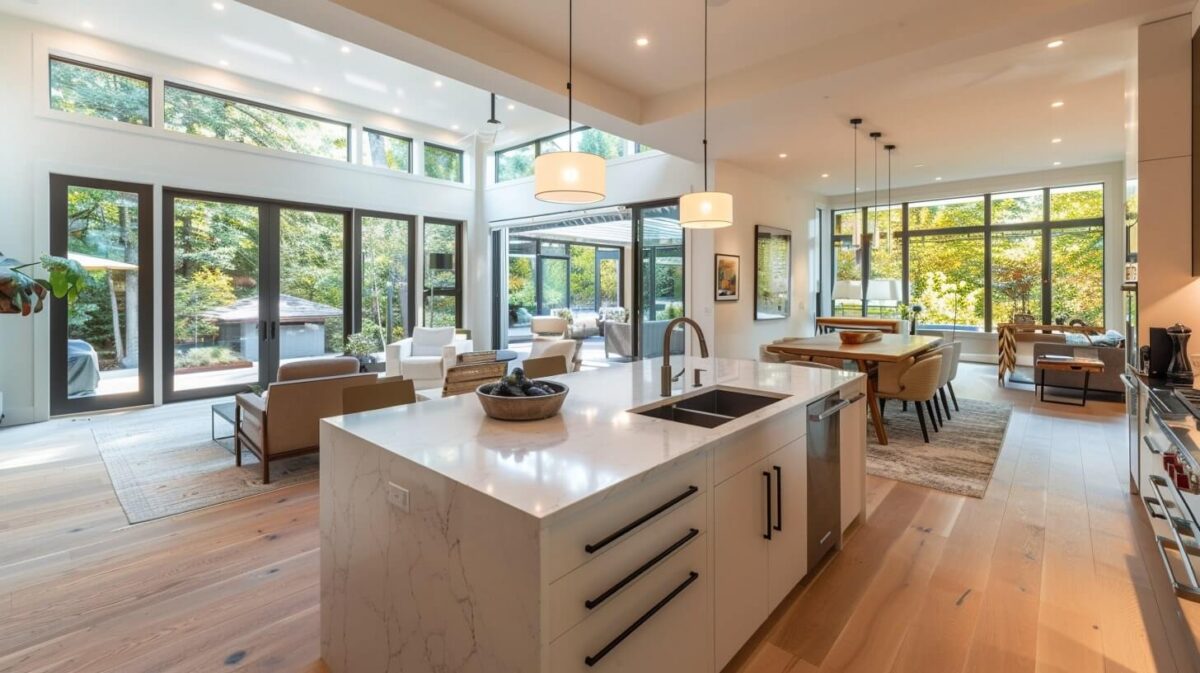
When you’re considering an open concept living space in your Allen, TX home, the first step is to assess your current layout and identify any walls that interrupt the flow. You’ll want to think about how these changes can affect not just the aesthetics but also the functionality of your space. Setting a budget is crucial, too, as it helps you manage costs effectively. But before you make any decisions, it’s important to consider design elements that create a cohesive look. What’s the best way to blend comfort and utility in your new layout?

Assess Your Current Layout

Assessing your current layout is crucial before diving into an open concept living space transformation.

Start by taking a good look at how your rooms flow into one another. Identify any walls that block natural light or disrupt movement.

Consider the functionality of each space—are you using your dining room as a catch-all for clutter? Make a note of features you love and those that need improvement.

Measure your rooms to understand dimensions and how furniture fits. Picture where you want to create openings or remove barriers.

Visualizing the new layout will help you see potential changes. Finally, think about how these changes can enhance your lifestyle and make your home feel more inviting and spacious.

Set a Budget

Establishing a budget is essential for successfully transforming your space into an open concept living area. Start by assessing your financial situation and determine how much you can realistically invest in the project.

Break down your budget into categories like demolition, construction, furniture, and decor to ensure you cover all aspects. Don’t forget to account for unexpected expenses, which often arise during renovations. It’s wise to set aside about 10-15% of your budget for these surprises.

Research costs associated with materials and labor in Allen, TX, to help you stay on track. Once you’ve outlined your budget, stick to it as closely as possible to avoid overspending and ensure a smooth transition to your new open concept living space.

Choose the Right Design Elements

When it comes to creating an inviting open concept living space, selecting the right design elements is crucial.

Start by choosing a cohesive color palette that flows throughout the area, creating harmony between different zones. Use furniture that complements your style while ensuring it’s functional and comfortable.

Consider incorporating multi-functional pieces, like an ottoman that doubles as storage. Textures play a significant role, so mix materials like wood, metal, and textiles to add depth.

Don’t forget about your artwork and decorative accents; they should reflect your personality and tie the space together.

Plan for Lighting

Good lighting is essential for creating an inviting open concept living space that feels warm and welcoming.

Start by layering your lighting; combine ambient, task, and accent lights to achieve balance. Consider using recessed lighting or pendant fixtures for general illumination, while strategically placing floor and table lamps for task lighting.

Don’t forget about natural light—maximize windows and consider sheer curtains to allow sunlight to flow in. Dimmer switches are great for adjusting brightness based on the time of day or mood.

Finally, choose light fixtures that complement your design style, ensuring they enhance the overall aesthetic.

With thoughtful planning, you’ll create a well-lit space that’s both functional and inviting for family and friends.

Incorporate Functional Zones

Creating distinct functional zones in your open concept living space enhances both usability and aesthetic appeal. To achieve this, think about how you use the space daily.

Start by defining areas for cooking, dining, and lounging. Use furniture placement, rugs, or even decorative screens to delineate these zones. For example, a cozy sofa can create a living area, while a dining table can anchor the eating space.

Don’t forget about functionality—ensure each zone is easily accessible and flows well into the others. Add personal touches like artwork or plants to reinforce each area’s purpose.

Frequently Asked Questions

What Are the Benefits of an Open Concept Living Space?

An open concept living space enhances your home’s flow, making it feel larger and more inviting.

You’ll enjoy better natural light, easier interaction with family and guests, and increased versatility for your furniture and decor.

How Can I Ensure Privacy in an Open Concept Design?

To ensure privacy in an open concept design, consider using room dividers, furniture arrangements, or strategically placed plants.

Incorporating curtains or screens can also create visual boundaries while maintaining the spacious feel of the area.

What Colors Work Best for Open Concept Spaces?

For open concept spaces, soft neutrals like whites, grays, and beiges create a cohesive feel.

You can add pops of color through decor, ensuring the overall design remains inviting and visually balanced throughout the area.

Can I Incorporate Traditional Elements in an Open Concept Layout?

Absolutely, you can incorporate traditional elements into an open concept layout.

Mixing classic furniture, vintage decor, or timeless patterns with modern designs creates a unique balance, enriching the space and adding character without overwhelming it.

How Do I Manage Noise Levels in an Open Concept Home?

To manage noise levels in your open concept home, use rugs and curtains to absorb sound.

Incorporate furniture to create zones, and consider soundproofing options for walls or ceilings to minimize distractions and enhance comfort.

Conclusion

Creating an open concept living space in your Allen, TX home can transform your everyday life. By assessing your layout, setting a budget, and selecting cohesive design elements, you’ll ensure a seamless flow between areas. Don’t forget to plan for ample lighting and incorporate functional zones that cater to your lifestyle. With these steps, you’ll enjoy a more inviting and spacious environment that enhances both comfort and usability, making your home a true reflection of your style.

Categories
Blog

Essential Remodeling Upgrades for Aging-in-Place in Allen, TX

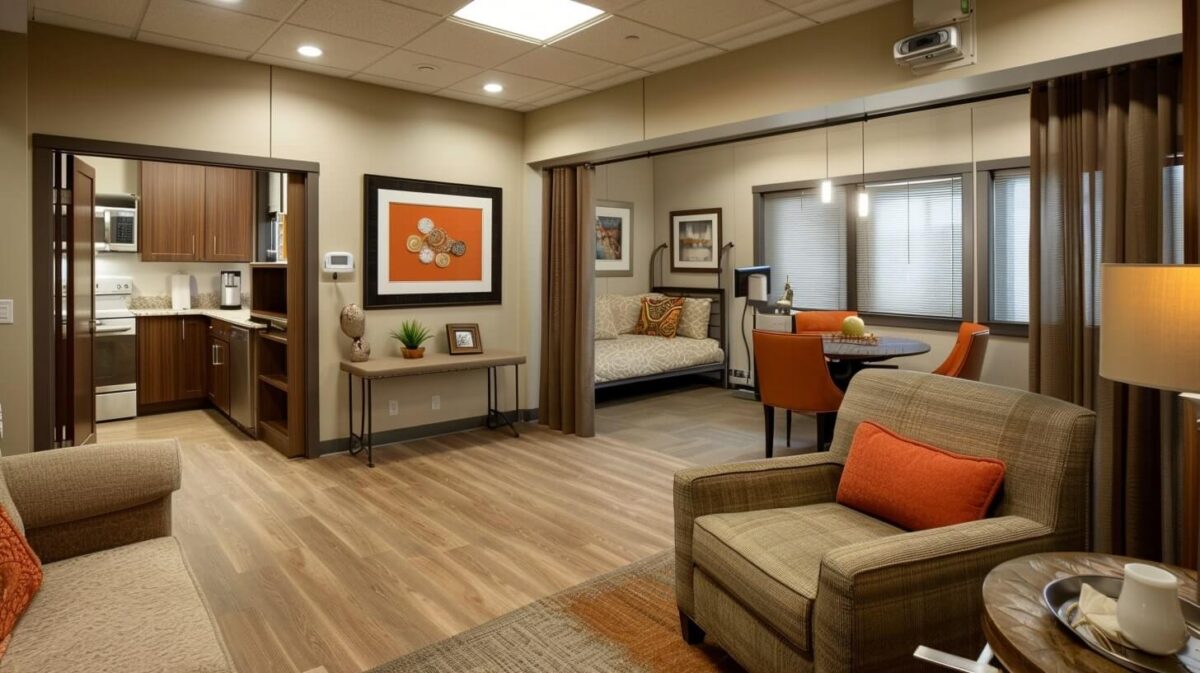
As you consider the necessary remodeling upgrades for aging-in-place in Allen, TX, it’s crucial to focus on modifications that enhance safety and accessibility throughout your home. Simple changes like installing grab bars in the bathroom or opting for lever-style faucets can make a significant difference in daily routines. You might also want to explore kitchen and living space enhancements that eliminate hazards and improve comfort. But these upgrades go beyond mere convenience; they can transform your entire living experience. Curious about which specific changes will provide the most benefit?

Accessible Bathroom Modifications

When it comes to accessible bathroom modifications, small changes can make a big difference in comfort and safety. You might start by installing grab bars near the toilet and in the shower, providing support as you move.

Consider a walk-in shower with a non-slip surface to reduce the risk of falls. A raised toilet seat can also enhance ease of use. Don’t forget to replace traditional faucets with lever-style handles for effortless operation.

Adequate lighting is essential, so ensure you have bright, glare-free fixtures. Finally, a shower bench can offer a safe place to sit while bathing.

These thoughtful modifications not only improve accessibility but also create a more welcoming environment in your bathroom.

Kitchen Enhancements for Safety

Creating a safe kitchen environment is just as important as making your bathroom accessible. Start by installing pull-out shelves and drawers, which make it easier to access items without bending or stretching.

Consider using a single-lever faucet for ease of use, especially if you have limited hand strength. Non-slip flooring can prevent falls, while under-cabinet lighting will improve visibility when cooking.

Think about placing everyday items within easy reach and using a microwave at counter height to avoid lifting heavy dishes. If you love to cook, a raised countertop can make food prep more comfortable.

Lastly, ensure your kitchen has a fire extinguisher and smoke detector in easy-to-access locations for added safety.

Living Space Adjustments

To ensure your living space remains comfortable and safe as you age in place, consider making thoughtful adjustments that enhance accessibility and functionality.

Start by removing any tripping hazards, like loose rugs and clutter, to create a clear path throughout your home. Install grab bars in key areas, such as hallways and near stairs, for added support.

Opt for furniture with higher seating to make standing up easier. Consider an open floor plan to allow for smooth movement between rooms. If possible, incorporate adjustable lighting to improve visibility in dim areas.

Lastly, think about rearranging frequently used items within easy reach to reduce the risk of strain. These small changes can significantly improve your day-to-day living experience.

Outdoor Accessibility Improvements

Enhancing outdoor accessibility can significantly improve your ability to move freely and safely in your yard or garden.

Start by installing smooth, wide pathways that connect key areas, like the entrance to your home and any outdoor features, such as seating or flower beds. Consider adding ramps for any steps and ensure they’ve non-slip surfaces.

Raised garden beds can make gardening easier without the need to bend down. You might also want to incorporate handrails along pathways and steps for added support.

Ensure outdoor lighting is adequate to prevent falls during nighttime. Lastly, keep your outdoor spaces clutter-free to provide a clear, safe route for mobility aids, ensuring you stay independent and enjoy your outdoor environment.

Smart Home Technology Integration

Smart home technology can play a crucial role in making your living space more comfortable and accessible as you age in place. By integrating smart devices, you can control lighting, temperature, and security systems with ease.

Voice-activated assistants, like Amazon Alexa or Google Home, allow you to manage your home hands-free, which is especially helpful if mobility becomes an issue. Smart doorbells and cameras enhance security, giving you peace of mind.

Automated lighting can prevent falls by illuminating paths at night. Additionally, smart thermostats can adjust temperatures based on your preferences, ensuring comfort year-round.

Frequently Asked Questions

What Are the Costs Associated With Aging-In-Place Remodeling?

Aging-in-place remodeling costs vary widely based on your needs and the extent of changes.

You might spend anywhere from a few thousand to tens of thousands, depending on materials, labor, and specific modifications you choose.

How Do I Find Reliable Contractors for These Upgrades?

To find reliable contractors, start by asking friends or family for recommendations.

Check online reviews, interview multiple candidates, and ensure they’re licensed and insured.

Trust your instincts; a good rapport is essential for successful projects.

Are There Financial Assistance Programs Available for Home Modifications?

Yes, there’re financial assistance programs available for home modifications.

You can check local government resources, nonprofit organizations, or even federal programs like HUD.

They often provide grants or low-interest loans to help you with necessary changes.

How Do I Prioritize Which Upgrades to Make First?

To prioritize upgrades, assess your immediate needs and safety concerns.

Consider factors like mobility, accessibility, and comfort.

Start with the most critical changes, then gradually tackle additional improvements as your budget and time allow.

What Permits Are Needed for Remodeling in Allen, TX?

Before starting your remodeling project in Allen, TX, check with the city’s building department for necessary permits.

You’ll often need permits for structural changes, electrical work, plumbing, or significant alterations to ensure compliance and safety.

Conclusion

Incorporating these essential remodeling upgrades can make a world of difference for aging-in-place in Allen, TX. By prioritizing safety and accessibility, you’ll create a comfortable environment that supports independent living. From accessible bathrooms to smart home technology, each enhancement empowers you to navigate your home with ease. Embrace these changes, and you’ll not only improve your quality of life but also enjoy peace of mind knowing your home is equipped for the future.

Categories
Blog

Understanding the Home Remodeling Permitting Process in Allen, TX

When you’re planning a home remodel in Allen, TX, understanding the permitting process is essential to avoid delays and fines. You’ll need to familiarize yourself with what permits are required for your specific project, whether it’s a minor update or a major overhaul. Gathering the right documentation and following the application steps can seem daunting, but it’s crucial for a smooth renovation. As you navigate this process, you might encounter some common misconceptions that could trip you up. Let’s explore what you need to know to keep your project on track.

Importance of Permits

When it comes to home remodeling, securing the right permits is crucial for a successful project. Without them, you risk facing fines, delays, or even being forced to undo your work.

Permits ensure that your renovations meet local building codes and safety standards, protecting both you and your investment. They also help maintain the integrity of your neighborhood by ensuring that all modifications comply with zoning laws.

Additionally, having the proper permits can boost your home’s resale value, as potential buyers will appreciate the legality of your upgrades.

Ultimately, taking the time to understand and obtain the necessary permits can save you from future headaches and contribute to a smoother remodeling experience.

Don’t skip this vital step!

Types of Remodeling Permits

Navigating the various types of remodeling permits can feel overwhelming, but understanding what you need can streamline your project.

In Allen, TX, the main types of permits include building permits, electrical permits, plumbing permits, and mechanical permits. A building permit is required for structural changes, while electrical permits are necessary for any work involving wiring or lighting.

If your project involves plumbing, you’ll need a plumbing permit to ensure compliance with safety codes. Mechanical permits cover HVAC installations or modifications.

Depending on your project’s scope, you might need one or multiple permits. It’s essential to check with local authorities to confirm which permits apply to your specific remodeling plans and ensure your project complies with local regulations.

Steps to Obtain a Permit

To obtain a remodeling permit in Allen, TX, start by gathering all necessary documentation related to your project. This includes detailed plans, specifications, and any supporting documents like property surveys.

Next, visit the City of Allen’s website to access the application form. Fill it out completely, ensuring you provide accurate information about the scope of your project.

After submitting your application, pay any required fees online or in person. Your submission will then go through a review process, where city officials may request additional information or clarifications.

Once approved, you’ll receive your permit, allowing you to begin your remodeling work legally. Always keep this permit on-site during construction to avoid any compliance issues.

Common Misconceptions

Many homeowners in Allen, TX, mistakenly believe that they can start remodeling projects without obtaining a permit. This misconception can lead to significant legal consequences and costly fines.

Some think that only major renovations require permits, but even small changes, like adding a deck or altering plumbing, often necessitate approval.

Another common belief is that permits are just an unnecessary delay; however, they ensure that your project meets safety and zoning regulations.

You might also think that if your neighbor didn’t get a permit, you don’t need one either. This isn’t true—each project is subject to local laws, and ignorance won’t protect you from penalties.

Understanding these misconceptions is crucial for a successful remodeling experience.

Tips for a Smooth Process

Ensuring a smooth remodeling process in Allen, TX, requires careful planning and attention to detail. Start by researching local regulations to understand specific requirements for your project. Gather all necessary documentation, including plans and permits, before submitting your application. This helps avoid delays.

Communicate openly with your contractor to ensure everyone’s on the same page regarding timelines and expectations. Be prepared for inspections and address any issues promptly. It’s also wise to set aside a buffer budget for unexpected costs.

Frequently Asked Questions

What Are the Fees Associated With Obtaining a Remodeling Permit?

When you obtain a remodeling permit, you’ll encounter various fees.

These may include application fees, inspection fees, and potential additional costs depending on the scope of your project.

Always check local regulations for specifics.

How Long Does the Permitting Process Typically Take?

The permitting process typically takes a few weeks, though it can vary based on project complexity and local regulations.

You should plan ahead, as delays can occur if additional information or revisions are needed.

Can I Appeal a Denied Permit Application?

Yes, you can appeal a denied permit application.

You’ll need to gather supporting documents and submit your appeal within a specified timeframe.

It’s crucial to understand the reasons for denial to strengthen your case effectively.

Are There Special Permits for Historic Homes in Allen?

Yes, you’ll need special permits for historic homes in Allen.

These permits ensure that renovations maintain the property’s historical integrity.

It’s crucial to check local guidelines and consult with the city’s planning department for specifics.

What Happens if I Start Remodeling Without a Permit?

If you start remodeling without a permit, you risk fines, having to halt work, or even tearing down completed projects.

It’s best to check local regulations to avoid these costly consequences and ensure compliance.

Conclusion

Navigating the home remodeling permitting process in Allen, TX, doesn’t have to be daunting. By understanding the importance of permits and the steps involved, you can ensure your project runs smoothly and complies with local regulations. Don’t let common misconceptions trip you up—stay informed and communicate openly with your contractors. With these tips, you’ll protect your investment and enhance your property value, making your remodeling experience a positive one. So, get started with confidence!

Categories
Blog

How to Choose the Right Colors for Your Home Remodel in Allen, TX

When you’re planning a home remodel in Allen, TX, choosing the right colors can feel overwhelming. You’ll want to consider not just your personal preferences, but also how colors interact with natural light and the local architectural styles.

By understanding color psychology and creating a cohesive flow throughout your spaces, you can craft an environment that feels both inviting and harmonious. But before you commit to any shades, there’s a crucial step you shouldn’t overlook that can make all the difference in your final outcome.

Understand Color Psychology

Understanding color psychology can significantly enhance your home remodel by influencing mood and perception. When you choose colors, think about how they’ll make you feel in different spaces.

For instance, soft blues and greens create a calming atmosphere, perfect for bedrooms or bathrooms. If you want to boost energy and creativity, consider vibrant yellows or oranges for a home office or playroom.

Neutral tones like grays and beiges can provide a sophisticated backdrop, allowing your decor to shine. Also, remember that lighting affects how colors appear, so test samples in natural and artificial light.

Consider Local Architecture

When planning your home remodel, it’s essential to consider local architecture to ensure your design harmonizes with the neighborhood.

Look around at the homes nearby and take note of their architectural styles, color palettes, and materials. You want your remodel to fit in, not stand out for the wrong reasons.

If your area has traditional brick homes, for instance, choosing bold, modern colors might clash with the established aesthetic. Instead, opt for shades that complement the local style while still expressing your personality.

Additionally, consider any homeowners’ association guidelines that might influence your color choices.

Assess Natural Light

Local architecture sets the stage, but the natural light in your home plays a significant role in how colors appear. Assess the amount and direction of light your spaces receive throughout the day.

North-facing rooms typically get cooler, softer light, while south-facing rooms bask in warm sunlight. If you’ve got large windows or skylights, you’ll likely experience brighter, more vibrant colors.

Take time to observe how the light changes during different times of the day. Don’t forget to consider the seasonal changes, too.

Create a Color Flow

Creating a cohesive color flow throughout your home can elevate its overall aesthetic and make your spaces feel more connected. Start by choosing a primary color that reflects your style, then select complementary colors that harmonize with it.

Use these colors strategically in adjacent rooms to create visual continuity. For example, if your living room features a warm beige, consider using a soft taupe in the dining area.

Keep in mind the balance of color intensity; lighter shades can open up spaces, while darker tones add depth. You can also incorporate accents through furniture or decor items that echo your color scheme, enhancing the flow.

This thoughtful approach will ensure a seamless transition from one room to the next, making your home feel inviting and cohesive.

Test Swatches Before Committing

To ensure that your chosen colors truly resonate throughout your home, testing swatches before making a final decision is a smart move.

Grab sample paint pots or fabric swatches and apply them in your actual space. Look at how the colors interact with your lighting at different times of the day, as natural light can alter their appearance.

Place swatches next to furniture and decor to see how they complement your existing elements. Don’t rush this process; live with the colors for a few days, observing how they make you feel.

Once you’re confident in your selections, you’ll know you’ve made the right choice for your home remodel. This step can save you time and money in the long run.

Frequently Asked Questions

What Colors Can Make Small Spaces Appear Larger?

You can make small spaces feel larger by using light colors like whites, pastels, or soft grays.

These shades reflect light, creating an airy atmosphere.

Avoid dark colors, as they tend to close in the space.

How Do Seasonal Changes Affect Color Perception?

Seasonal changes can drastically alter how you perceive colors.

During winter, cooler tones might feel more vibrant, while summer’s natural light can soften hues, making your choices appear warmer and more inviting.

Pay attention to these shifts!

Can I Use Bold Colors in a Rental Property?

You can absolutely use bold colors in a rental property!

Just consider your landlord’s rules and the potential impact on future tenants. Bold hues can create a lively atmosphere, making the space feel unique and inviting.

What Color Schemes Are Trending in Allen, TX?

You’ll find earthy tones, soft pastels, and vibrant jewel shades trending in Allen, TX.

These palettes create inviting spaces that blend modern aesthetics with local charm, making your home feel both stylish and welcoming.

How Do I Choose Colors for Outdoor Spaces?

To choose colors for outdoor spaces, consider your surroundings and existing elements.

Think about your personal style, the mood you want to create, and how various colors complement each other in natural light.

Conclusion

In conclusion, choosing the right colors for your home remodel in Allen, TX, involves a blend of understanding color psychology, considering local architecture, and assessing natural light. By creating a cohesive color flow and testing swatches in different lighting, you’ll ensure your space reflects your personal style while harmonizing with its surroundings. Trust your instincts, and don’t rush the process—your home deserves a color palette that truly makes you feel at home.