Categories
Blog

The Truth About Remodeling TV Shows vs. Real Life in Allen, TX

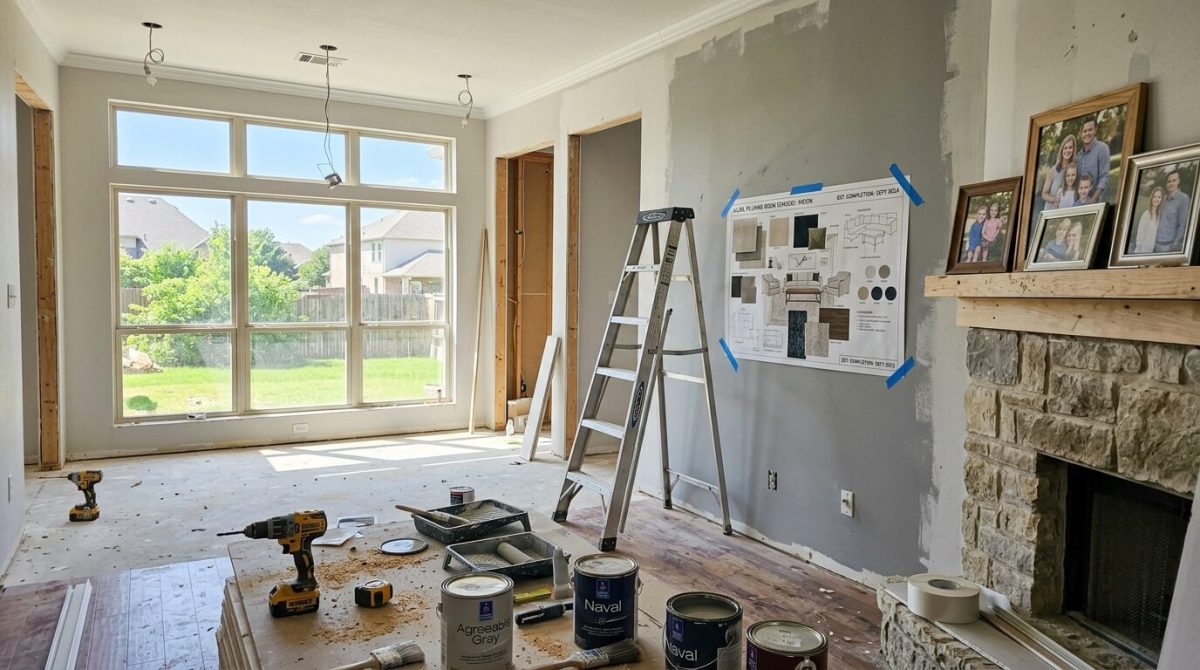
The truth about remodeling shows is that they compress weeks or months of work into just 30 minutes, misleading you about timelines and costs. In real life, renovations in Allen, TX often face delays, unexpected issues, and hidden costs that can inflate your budget. You might think DIY projects save money, but they can lead to more challenges than you bargain for. If you stick around, you’ll uncover valuable insights on making your renovation a success.

The Illusion of Time: Quick Fixes vs. Real Renovation Timelines

While you might see a stunning transformation in just a 30-minute episode, the reality of home renovation often unfolds over weeks or even months.

You’ll quickly learn that behind every beautiful reveal lies countless hours of planning, permitting, and labor. It’s not just about swinging a hammer; you’re managing delays, weather, and material shortages.

Sometimes, you’ll face unexpected issues, like structural problems or code violations, that can push timelines even further.

Budgeting Reality: What You Really Need to Spend

Planning a renovation involves not just time but also money, and it’s easy to underestimate the true costs.

To create a realistic budget, start by researching materials, labor, and permits specific to Allen, TX. Factor in about 10-20% extra for unexpected expenses, which many overlook.

Identify your must-haves versus nice-to-haves, ensuring you prioritize essential upgrades. Don’t forget about design fees or contractor costs, as these can add up quickly.

The Hidden Costs: Unexpected Issues and Their Impact

Even with a solid budget in place, unexpected issues can arise during a renovation that greatly impact your finances.

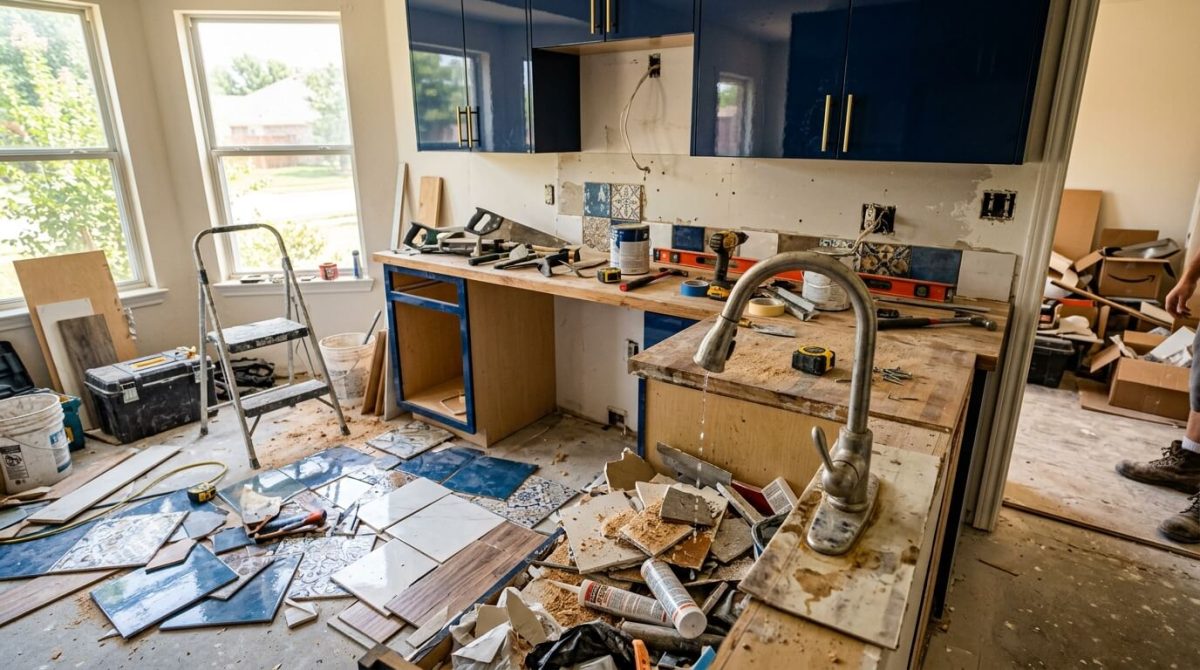
You might discover hidden water damage, outdated electrical systems, or plumbing problems once the walls come down. These surprises can lead to costly repairs that your budget didn’t account for.

Additionally, delays caused by these issues can push back timelines and increase labor costs.

It’s essential to set aside a contingency fund to cover these potential expenses.

Navigating Local Regulations: Permits and Codes in Allen, TX

Before you engage in your remodeling project in Allen, TX, it’s essential to understand the local regulations, permits, and building codes that govern renovations. Skipping this step can lead to costly delays and fines.

Start by checking with the Allen Building Department to determine what permits you’ll need for your specific project. Familiarize yourself with zoning laws and safety codes to guarantee compliance.

Keep in mind that some renovations, like structural changes or additions, typically require more extensive permits. By steering through these regulations early on, you’ll save yourself headaches and guarantee a smoother remodeling process down the line.

The Importance of Professional Help: DIY vs. Hiring Experts

Whether you’re considering a minor update or a major overhaul, understanding the difference between DIY efforts and hiring professionals is essential.

While tackling projects yourself can be rewarding, it often leads to unforeseen challenges. You might lack the skills or tools necessary for a high-quality finish, or you could miss critical regulations.

Hiring experts saves you time and guarantees safety and compliance. Professionals bring experience, industry knowledge, and access to resources that can elevate your remodel.

Ultimately, investing in the right help can lead to a more successful project and a space you’ll love for years to come.

Frequently Asked Questions

How Can I Choose the Right Contractor for My Remodel?

To choose the right contractor for your remodel, research local options, read reviews, ask for referrals, and interview candidates.

Always check licenses and insurance, and verify their style aligns with your vision before making a decision.

What Design Trends Are Popular in Allen, TX Right Now?

In Allen, TX, popular design trends include open floor plans, modern farmhouse styles, bold colors, and sustainable materials.

You’ll also see smart home technology integrated into designs, enhancing both functionality and aesthetics in your remodel.

How Do I Finance My Remodeling Project Effectively?

You can finance your remodeling project effectively by exploring options like home equity loans, personal loans, or zero-interest credit cards.

Assess your budget, compare rates, and choose the option that aligns best with your financial situation.

What Should I Do if I Change My Mind During Renovations?

If you change your mind during renovations, communicate your concerns with your contractor immediately.

Discuss your new ideas, adjust the budget if needed, and be prepared for potential delays.

Flexibility can lead to better outcomes.

How Can I Ensure My Remodel Increases Home Value?

To guarantee your remodel increases home value, focus on kitchen and bathroom upgrades, use quality materials, maintain a cohesive style, and consider local market trends.

Prioritize functionality and appeal to potential buyers’ preferences.

Conclusion

In the world of remodeling, it’s easy to get caught up in the excitement of TV shows, but remember that reality often tells a different story. Embrace the true timeline, budget for unexpected costs, and don’t underestimate the importance of understanding local regulations. While DIY projects can be tempting, hiring professionals can save you time and headaches in the long run. By acknowledging these truths, you’ll be better prepared for your renovation journey in Allen, TX.
Categories
Blog

How to Prioritize Home Repairs When Everything Feels Urgent

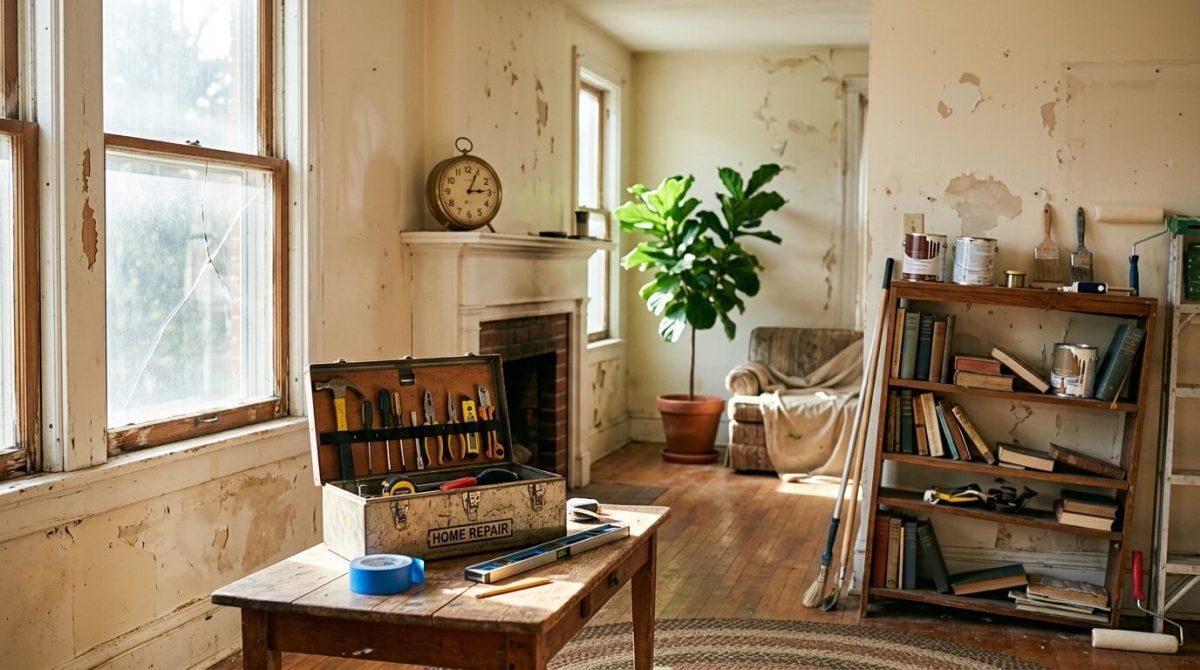
When everything feels urgent, start by evaluating the risks. Identify immediate safety concerns like leaks and electrical issues first. Next, categorize repairs by severity—focus on critical issues affecting functionality, then tackle minor problems. Create a timeline for repairs, prioritizing urgent fixes over cosmetic updates. Budget realistically, setting aside funds for each category of repairs. Decide whether to DIY or hire professionals based on your skill level. There’s plenty more to explore about managing your home repairs effectively.

Assessing the Urgency of Repairs

When you notice a repair need in your home, it’s essential to assess its urgency so you can address it effectively.

Start by identifying any immediate risks, like leaks or electrical issues, that could cause further damage or pose safety hazards.

Next, consider the impact on your daily life; a broken heater in winter might demand quicker action than a cosmetic issue.

Take note of any potential long-term consequences if repairs are delayed.

Categorizing Repairs by Severity

After evaluating the urgency of repairs, it’s important to categorize them by severity.

Start by identifying critical issues that could harm your home or your safety, like gas leaks or major roof leaks.

Next, focus on significant problems that affect functionality, such as broken plumbing or electrical issues.

Finally, address minor repairs that don’t pose immediate threats, like chipped paint or loose doorknobs.

By organizing repairs this way, you’ll have a clear view of what needs immediate attention and what can wait.

This approach helps you allocate resources effectively and guarantees your home remains safe and comfortable.

Creating a Repair Timeline

To effectively manage your home repairs, you’ll want to create a timeline that prioritizes tasks based on their severity and urgency.

Start by listing all identified repairs, then categorize them into immediate, short-term, and long-term needs. For urgent issues, like a leaky roof or broken furnace, schedule those repairs first.

Next, address problems that could worsen over time, such as peeling paint or minor plumbing leaks. Finally, plan for aesthetic updates or non-urgent fixes.

Budgeting for Home Repairs

While addressing home repairs, budgeting effectively is essential to avoid unexpected financial strain.

Start by evaluating your repair needs and prioritizing them based on urgency and importance. Allocate funds for each repair category, setting aside a portion of your monthly budget specifically for home maintenance.

Don’t forget to include a contingency fund for unexpected costs. Research average repair costs in your area to get a realistic picture of what you might spend.

Tips for Managing DIY Projects vs. Hiring Professionals

How do you decide between tackling a home repair yourself or hiring a professional?

Start by evaluating your skill level and the complexity of the task. If it’s a simple fix, like patching drywall, you might handle it.

For more complicated jobs, like electrical work or plumbing, hiring a pro guarantees safety and compliance.

Consider your time—DIY projects can be time-consuming. If you’re short on it, a professional might be your best bet.

Finally, factor in costs; sometimes, the upfront expense of hiring an expert saves you money in the long run by avoiding potential mistakes.

Frequently Asked Questions

How Do I Know if a Repair Is DIYABLE or Needs a Pro?

To know if a repair’s DIYable or needs a pro, assess your skills and tools.

If you’re unsure about safety or complexity, it’s best to call an expert.

Trust your instincts and research beforehand.

What Tools Do I Need for Common Home Repairs?

You’ll need essential tools like a hammer, screwdrivers, pliers, a tape measure, a level, and a utility knife.

For plumbing, have a wrench and pipe tape handy.

A drill and a toolbox can also be very useful.

Can I Postpone Repairs Without Causing Further Damage?

Yes, you can postpone some repairs, but be cautious.

Delaying critical issues like leaks or structural damage can lead to more extensive problems.

Assess the situation carefully, and prioritize based on potential long-term effects.

How Do Seasonal Changes Affect My Repair Priorities?

Seasonal changes influence your repair priorities by highlighting urgent issues.

For instance, winter may necessitate heating repairs, while summer might require air conditioning fixes.

You should assess conditions regularly to address the most pressing needs effectively.

What Are Signs of Hidden Damage in My Home?

Signs of hidden damage in your home include unexplained dampness, cracking walls, mold growth, or strange odors.

If you notice any of these issues, it’s essential to investigate further before they escalate into bigger problems.

Conclusion

In conclusion, tackling home repairs doesn’t have to feel overwhelming. By assessing the urgency, categorizing repairs, and creating a timeline, you can prioritize effectively. Don’t forget to budget for both materials and labor, whether you’re diving into DIY projects or hiring professionals. Remember, focusing on one project at a time will help you manage stress and maintain your home’s value. Take a deep breath, and start with the most pressing issues first. You’ve got this!

Categories
Blog

Remodeling Mistakes Allen, TX Homeowners Make When Choosing Materials

When remodeling, many homeowners in Allen, TX, make key mistakes like focusing too much on aesthetics instead of durability. Ignoring local climate can lead to damage over time. Don’t overlook long-term maintenance costs, as high-maintenance materials can strain your budget. Mixing incompatible materials may create structural issues down the line. Finally, skimping on quality for short-term savings often results in costly repairs later. Discover the best practices to avoid these pitfalls and guarantee a successful remodel.

Prioritizing Aesthetics Over Durability

Why do so many homeowners focus on looks over longevity when remodeling?

It’s easy to get caught up in trends, wanting your space to look stunning right now. However, if you prioritize aesthetics, you might end up with materials that wear out quickly or require constant maintenance.

Think about your investment—choosing durable options can save you time and money in the long run. Consider how often you’ll use each space and the wear it’ll endure.

Balancing beauty with durability guarantees you create a home that not only looks great but stands the test of time.

Don’t sacrifice longevity for fleeting trends.

Ignoring Local Climate Considerations

When remodeling your home, have you considered how local climate affects your choices? In Allen, TX, the hot summers and unpredictable storms can take a toll on your materials.

Opting for weather-resistant materials like fiber cement siding or metal roofs can save you headaches down the line. Additionally, selecting energy-efficient windows can help regulate indoor temperatures, reducing your energy bills.

Don’t forget about landscaping; native plants can thrive in the local climate, requiring less water and maintenance.

Overlooking Long-Term Maintenance Costs

While it’s easy to get caught up in the excitement of a remodel, many homeowners overlook the long-term maintenance costs associated with their choices.

Choosing high-maintenance materials can lead to unexpected expenses down the line. For example, natural stone countertops may look stunning, but they require regular sealing and special cleaning products.

Similarly, certain flooring options might need frequent refinishing. When planning your remodel, factor in these ongoing costs alongside your initial budget.

Choosing Incompatible Materials

Ignoring the compatibility of materials can lead to significant issues during and after a remodel. When you mix materials that don’t work well together, you might face problems like structural instability, water damage, or unexpected wear and tear.

For instance, combining wood and metal without proper treatment can result in rust and rot. Always consider how materials interact with each other, particularly regarding expansion, contraction, and moisture resistance.

Consulting with professionals can help you identify compatible options, ensuring your remodel not only looks great but also stands the test of time. Don’t overlook this vital aspect of your project.

Skimping on Quality for Short-Term Savings

Many homeowners make the mistake of skimping on quality materials in favor of short-term savings, thinking they’ll cut costs without consequence.

While it might seem smart to save a few bucks upfront, this approach can lead to costly repairs down the line. Cheaper materials often wear out faster, require frequent replacements, and may not offer the durability you need.

By investing in quality materials, you’re not just enhancing your home’s aesthetic; you’re also ensuring longevity and resilience.

Frequently Asked Questions

What Are the Best Materials for Energy Efficiency in Allen, TX?

For energy efficiency in Allen, TX, use insulated windows, Energy Star-rated appliances, high-R-value insulation, and durable, energy-efficient roofing materials.

These choices help reduce energy bills and enhance your home’s comfort and sustainability.

How Can I Find a Reliable Contractor for My Remodeling Project?

To find a reliable contractor, ask friends for recommendations, read online reviews, and check their credentials.

Interview potential candidates, discuss your project in detail, and guarantee they communicate well to establish a trustworthy relationship.

What Are Some Eco-Friendly Materials Available for Home Remodeling?

You can explore bamboo, reclaimed wood, recycled metal, and low-VOC paints for eco-friendly materials.

These options reduce your environmental impact while enhancing your home’s aesthetic and durability.

They’re sustainable choices you’ll feel good about.

How Do I Ensure My Materials Comply With Local Building Codes?

To guarantee your materials comply with local building codes, check with your local building authority, review relevant regulations, and consult professionals.

They’ll help you select materials that meet safety standards and avoid costly issues down the line.

What Should I Consider When Budgeting for Remodeling Materials?

When budgeting for remodeling materials, consider quality versus cost, necessary quantities, potential waste, and unexpected expenses.

It’s smart to set aside extra funds for price fluctuations or last-minute changes you might encounter during the project.

Conclusion

When remodeling your home in Allen, TX, it’s crucial to avoid common mistakes with material choices. Remember, prioritizing durability and considering the local climate can save you time and money in the long run. Don’t overlook long-term maintenance costs or choose materials that don’t work well together. While it might be tempting to cut corners for immediate savings, investing in quality pays off. Make informed decisions, and your home will not only look great but stand the test of time.