Categories
Blog

Outdoor Living Spaces: Decks, Patios, and Kitchens in Allen, TX

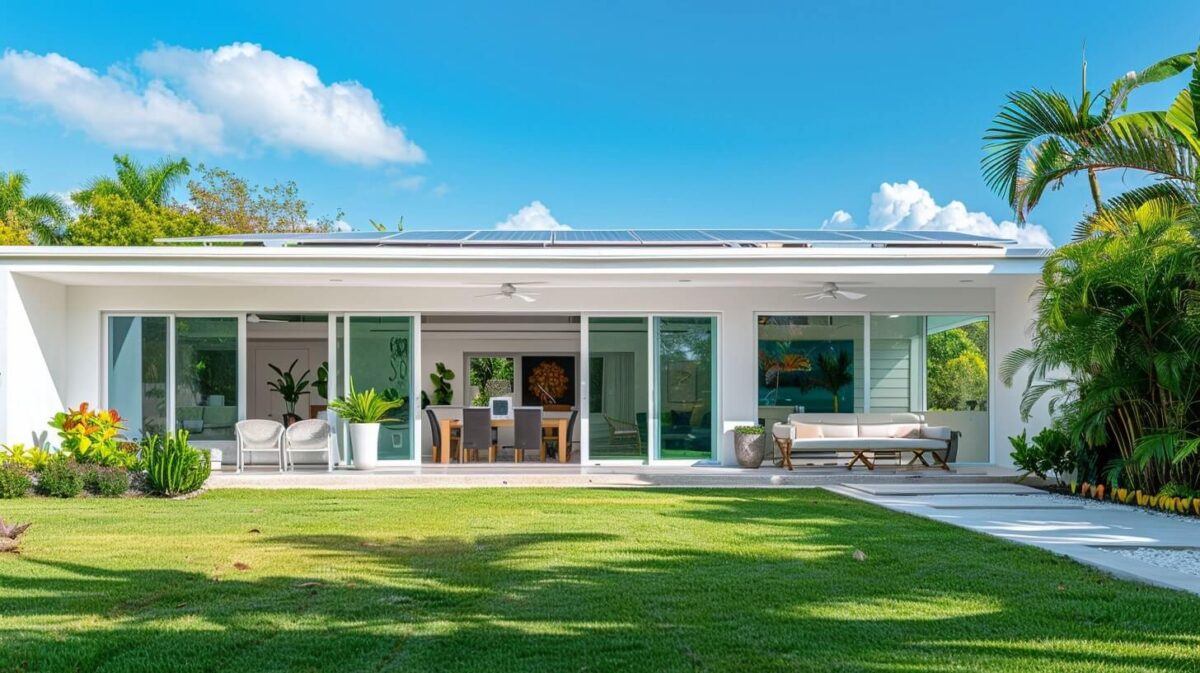
When you think about enhancing your home in Allen, TX, outdoor living spaces like decks, patios, and kitchens might not be the first things that come to mind, but they can significantly elevate your lifestyle. These areas provide the perfect setting for gatherings, relaxation, and even cooking under the stars. You might be surprised at how a well-designed outdoor space can transform your property and your daily routine. Curious about how to maximize these spaces for functionality and style? Let’s explore some key design elements and practical tips that could change your perspective.

Benefits of Outdoor Living Spaces

Creating an outdoor living space can transform your backyard into a personal oasis, offering numerous benefits for you and your family.

First, it expands your home’s usable area, allowing you to enjoy fresh air and sunshine without leaving your property. You’ll find it’s perfect for hosting gatherings, making memories over BBQs or evening fires.

An outdoor space can also enhance your home’s value; potential buyers appreciate well-designed patios or kitchens.

Additionally, spending time outdoors can boost your mental well-being, reducing stress and improving your mood.

Finally, you can cultivate a connection with nature, fostering relaxation and inspiration.

Designing the Perfect Deck

A well-designed deck can significantly elevate the functionality and aesthetic of your outdoor living space.

Start by considering the deck’s purpose—whether it’s for entertaining, relaxing, or dining. Choose materials that match your home’s style and withstand Allen’s weather; composite and treated wood are great options.

Next, think about the layout. Create distinct zones for different activities, and ensure you have enough space to move around comfortably.

Don’t forget about railings and lighting; they enhance safety and ambiance. Incorporate built-in seating or planters to maximize space and add visual interest.

Creating Inviting Patios

Patios offer a fantastic way to extend your outdoor living space, complementing your deck beautifully.

To create an inviting patio, start by choosing durable materials like stone or pavers that suit your style. Consider the layout; a cozy, intimate design encourages relaxation. Incorporate comfortable seating with cushions that reflect your color palette.

Adding a fire pit or outdoor heater can make the space more inviting during cooler evenings. Surround your patio with greenery—potted plants or a vertical garden can enhance the ambiance.

Don’t forget about lighting; string lights or lanterns create a warm atmosphere. Finally, personalize your space with decorative elements like outdoor rugs or art.

With these touches, your patio will be a welcoming retreat for family and friends.

Outdoor Kitchens: A Culinary Escape

When you step outside into your backyard, an outdoor kitchen transforms your cooking experience into a true culinary escape.

Imagine grilling fresh vegetables while enjoying the open air, or preparing a gourmet meal surrounded by friends and family. With features like built-in grills, sinks, and refrigerator units, you’ll have everything you need at your fingertips. You can create delicious meals without feeling confined indoors.

Plus, an outdoor kitchen encourages social interaction; it’s the perfect spot for gatherings and celebrations. Whether you’re hosting a summer barbecue or simply enjoying a quiet evening, this space enhances your lifestyle.

Investing in an outdoor kitchen not only boosts your cooking capabilities but also elevates your home’s entertainment value, making it a worthwhile addition.

Maintenance Tips for Longevity

To keep your outdoor kitchen and living space in top shape, regular maintenance is key.

Start by cleaning surfaces after each use to prevent stains and buildup. For grills and cooking appliances, follow the manufacturer’s cleaning instructions.

Inspect your deck or patio regularly for signs of wear; reseal or stain wooden surfaces as needed to protect against moisture and UV damage.

Keep your outdoor appliances covered when not in use to shield them from the elements.

Don’t forget to check for pests, as they’re always looking for places to hide.

Finally, ensure proper drainage around your space to prevent water pooling, which can lead to structural damage.

With consistent care, your outdoor oasis will remain inviting for years to come.

Frequently Asked Questions

What Permits Are Required for Building Outdoor Living Spaces in Allen, TX?

When building outdoor living spaces, you’ll need to check local regulations.

Typically, permits for construction, electrical work, and plumbing are required.

It’s best to consult your local building department for specific requirements and guidelines.

How Can I Enhance Privacy in My Outdoor Living Area?

To enhance privacy in your outdoor living area, consider installing tall plants, outdoor curtains, or privacy screens.

Position furniture strategically and use decorative fencing to create a cozy, secluded atmosphere where you can relax comfortably.

What Are the Best Materials for Decks in Allen’s Climate?

You’ll want to consider materials like composite, pressure-treated wood, or aluminum for your deck.

These options withstand heat, humidity, and occasional rain, ensuring durability and comfort in your outdoor living space throughout the year.

How Do I Choose Lighting for My Outdoor Spaces?

When choosing lighting for your outdoor spaces, consider brightness, style, and functionality.

Opt for energy-efficient options like LEDs, and think about layering lights to create a warm, inviting atmosphere for gatherings or relaxation.

Can I Add a Fire Pit to My Existing Patio?

Yes, you can definitely add a fire pit to your existing patio.

Just make sure to check local regulations and ensure there’s enough space for safety.

It’s a great way to enhance your outdoor experience!

Conclusion

Incorporating outdoor living spaces like decks, patios, and kitchens into your home in Allen, TX, can transform your lifestyle. You’ll enjoy fresh air, host unforgettable gatherings, and create a personal retreat right in your backyard. With the right design and maintenance, these spaces not only boost your home’s value but also foster a deeper connection with nature. So, why wait? Start planning your ideal outdoor oasis today and make the most of your outdoor living experience!
Categories
Blog

Hidden Costs of Remodeling in Allen, TX You Should Plan For

When you’re planning a remodel in Allen, TX, it’s easy to focus on the big expenses like materials and labor, but don’t overlook the hidden costs that can sneak up on you. Unexpected structural repairs, permit fees, and design costs can quickly inflate your budget. Plus, if your plumbing or electrical systems need upgrades, those expenses can add another layer of complexity. To avoid financial surprises, you’ll want to consider a contingency fund. But what exactly should you be prepared for? Let’s explore the key hidden costs that can impact your project.

Unexpected Structural Repairs

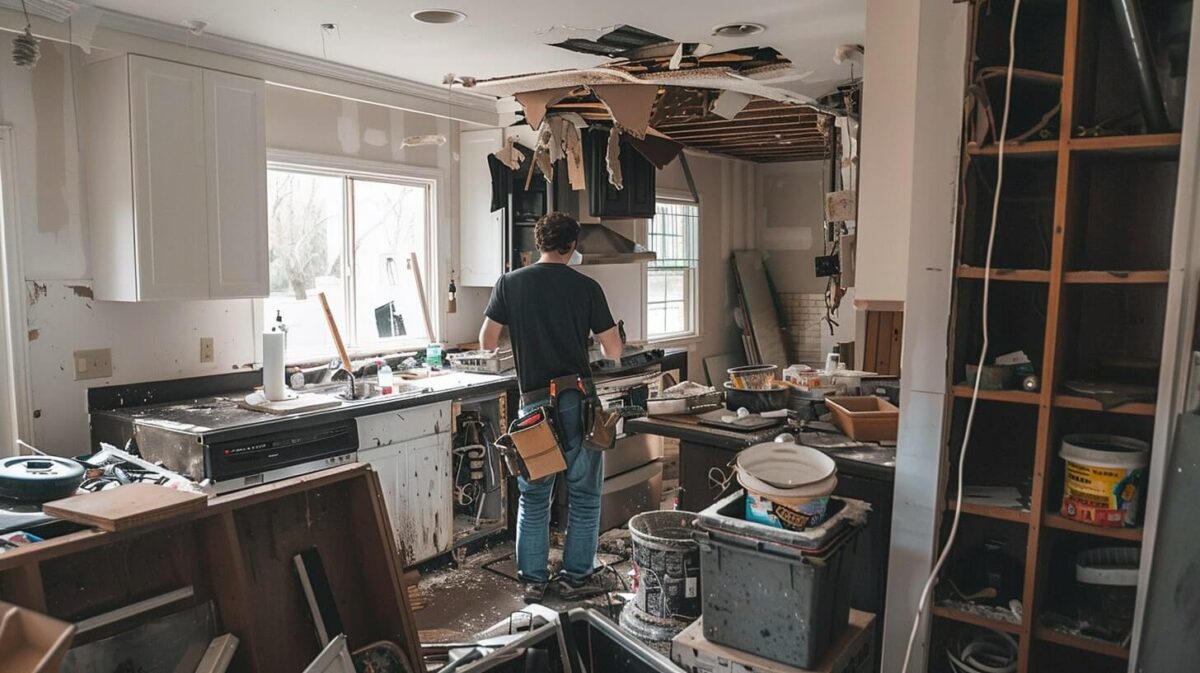
When diving into a remodeling project, you might overlook the potential for unexpected structural repairs. These hidden issues can significantly impact your budget and timeline.

For instance, you could uncover water damage, mold, or even compromised framing while tearing down walls. It’s essential to inspect the foundation, plumbing, and electrical systems before starting.

You don’t want to be halfway through your renovation only to find out you need to replace rotting beams or fix outdated wiring. Always factor in a contingency budget to cover these surprises.

Permit and Inspection Fees

Many homeowners underestimate the impact of permit and inspection fees on their remodeling budget.

When you start a remodeling project, it’s crucial to check with your local government about required permits. These fees can vary significantly based on the project type and scope. For instance, major renovations often require multiple permits, each with its own cost.

Additionally, inspections are usually mandatory to ensure everything meets safety and building codes. Failing to account for these expenses can lead to budget overruns, delays, or even fines.

To avoid surprises, research the specific permits needed for your project in Allen, TX, and factor these fees into your overall remodeling budget from the start. It’ll save you time, money, and stress in the long run.

Design and Architectural Costs

After securing the necessary permits and understanding inspection fees, homeowners often overlook design and architectural costs in their remodeling budgets.

These costs can add up quickly, especially if you’re planning a significant renovation. Hiring a professional designer or architect can ensure your vision is executed efficiently and effectively.

You’ll want to factor in fees for blueprints, 3D renderings, and consultations, which can range significantly based on complexity. Even if you’re working with a contractor, a well-thought-out design can prevent costly mistakes later on.

Don’t forget to consider revisions or additional consultations if your plans change during the process. By planning for these expenses, you’ll avoid budget surprises and ensure your project stays on track.

Utility Upgrades and Modifications

Utility upgrades and modifications can significantly impact your remodeling budget, often catching homeowners off guard.

You might need to update your electrical system to support new appliances or add more outlets, which can lead to unexpected labor and material costs. Plumbing changes are another common expense, especially if you’re moving fixtures or adding new bathrooms.

Don’t forget about HVAC upgrades; improving air conditioning or heating systems can enhance comfort and efficiency but may require a larger investment.

Additionally, if your home’s insulation isn’t up to par, you’ll want to address that, too.

Factor in these potential expenses when planning your remodel to avoid surprises and ensure your project stays within budget.

Contingency Fund Considerations

When planning your remodel, it’s wise to set aside a contingency fund to cover unexpected costs. Generally, you should aim for about 10-20% of your total budget.

This fund acts as a safety net for unforeseen issues, such as hidden structural problems or changes in material prices. It’s easy to underestimate expenses, so setting aside extra cash can save you from stress down the road.

If you don’t use the entire fund, you’ll have a nice bonus to allocate elsewhere in your home. Just remember, having this cushion not only provides peace of mind but also keeps your project on track.

Frequently Asked Questions

How Do I Budget for Unexpected Delays in Remodeling Projects?

To budget for unexpected delays in remodeling, you should set aside at least 10-20% of your total project cost.

It’ll help cover unforeseen expenses and keep your project on track without financial stress.

What Financing Options Are Available for Remodeling in Allen, TX?

You’ve got several financing options for remodeling.

Personal loans, home equity lines of credit, and cash-out refinancing can help.

Don’t forget to check local credit unions or banks for tailored solutions that fit your needs.

Are There Specific Local Regulations I Should Be Aware Of?

Yes, you should check local regulations regarding permits, zoning laws, and building codes.

These rules can vary significantly, so staying informed helps you avoid fines and delays during your remodeling project.

What Should I Include in My Contractor Agreement?

When drafting your contractor agreement, include project scope, timeline, payment schedule, and warranty details.

Specify materials, change order procedures, and dispute resolution methods to protect yourself and ensure a smooth remodeling process.

How Can I Minimize Disruption During the Remodeling Process?

To minimize disruption during remodeling, communicate clearly with your contractor, establish a timeline, and set boundaries.

Designate specific areas for work and consider temporary relocations for your family to maintain daily routines.

Conclusion

In remodeling your home in Allen, TX, it’s vital to plan for those hidden costs that can sneak up on you. From unexpected structural repairs to design fees and utility upgrades, these expenses can add up quickly. Don’t forget about permit and inspection fees, either. By setting aside a contingency fund of 10-20% of your budget, you’ll be better prepared to tackle any surprises that come your way, ensuring a smoother renovation process.

Categories
Blog

How to Match Your Remodel to Your Home’s Architectural Style in Allen, TX

When you’re considering a remodel in Allen, TX, it’s crucial to align your updates with your home’s architectural style. Start by identifying key features like rooflines and window shapes that showcase your home’s unique character. By understanding these elements, you can ensure that your remodel complements the existing structure rather than detracts from it. But that’s just the beginning; there are several more factors to explore that can make a significant difference in achieving a harmonious look. Curious about what those elements are?

Understand Your Home’s Style

To kick off your remodeling journey, it’s crucial to pinpoint your home’s architectural style. Start by examining the exterior: look closely at the roofline, window shapes, and overall proportions.

Is your home a classic Colonial, a sleek Modern, or perhaps a charming Craftsman? Each style has distinct characteristics that can guide your remodeling choices.

Next, take note of any original details, like moldings or trim, that contribute to your home’s identity. Understanding these elements helps you maintain the essence of your home while updating its functionality.

Don’t forget to consider the surrounding neighborhood, as harmony with neighboring structures enhances overall appeal. Identifying your home’s style sets a solid foundation for creating a cohesive and beautiful remodel.

Research Architectural Elements

When diving into your remodel, researching architectural elements is essential for maintaining your home’s character.

Start by identifying key features that define your home’s style—think about rooflines, window shapes, and decorative trim. Explore local architecture to gather inspiration and understand common design elements in your area.

Consider visiting historical homes or neighborhoods to see how original features have been preserved. Pay attention to details like molding, columns, and railings, as they can significantly influence your remodel’s success.

Make notes and collect images of elements that resonate with you. This research will guide your decisions and ensure your remodel respects your home’s unique aesthetic while enhancing its overall appeal.

Your diligence now will pay off later in your project.

Choose Complementary Materials

After identifying the architectural elements that define your home’s style, the next step is to select materials that complement those features.

Consider using traditional wood siding for a classic look or sleek metal finishes for a modern twist. If your home showcases brick, opt for matching or contrasting stone accents.

When choosing roofing materials, stick to options that harmonize with your home’s overall aesthetic, like slate for a historic charm or asphalt shingles for a more contemporary vibe.

Don’t forget about textures; combining smooth and rough materials can add depth and interest.

Ultimately, aim for a cohesive look that enhances your home’s character while ensuring the new materials align with its original architectural intent.

Maintain Proportions and Scale

Maintaining proportions and scale is crucial for ensuring your remodel feels like a natural extension of your home rather than an awkward addition.

When planning your project, pay close attention to the size and shape of existing elements. For instance, if your home has tall, narrow windows, avoid wide, short ones in your remodel. Instead, opt for designs that echo the original features.

Consider the overall height, width, and depth of new structures, making sure they align with your home’s architectural style. Remember, even small details matter—door frames, moldings, and fixtures should reflect the same proportions found throughout your house.

Ultimately, achieving harmony in scale will create a cohesive look that enhances your home’s beauty and functionality.

Consult With Professionals

Consulting with professionals is a vital step in ensuring your remodel aligns with your home’s architectural style. Architects, designers, and contractors can offer expert insights into what works best for your specific style.

They’ll assess your space and help you make informed decisions, ensuring your vision complements your home’s character.

Don’t hesitate to share your ideas and preferences; collaboration is key. Professionals can suggest materials and design elements that maintain the integrity of your home’s architecture.

They also stay updated on local building codes and regulations, preventing costly mistakes.

Frequently Asked Questions

What Are the Common Architectural Styles in Allen, TX?

In Allen, TX, you’ll find various architectural styles, including traditional, ranch, contemporary, and craftsman.

Each style has unique features that reflect the area’s character, so pay attention to these when considering your home.

How Do I Identify My Home’s Architectural Style?

To identify your home’s architectural style, examine its features like roof shape, window style, and materials.

Compare these elements to known styles online or in books, and take note of any distinctive characteristics.

Can I Mix Different Architectural Styles in My Remodel?

You can mix different architectural styles in your remodel!

Just ensure the elements complement each other.

Balance is key, so choose a cohesive color palette and materials that harmonize, creating a unified and inviting aesthetic.

What Is the Cost of Remodeling to Match Architectural Styles?

Remodeling to match architectural styles can vary widely in cost, depending on materials, labor, and complexity.

You’ll likely spend between $15,000 to $50,000 or more, so setting a budget before starting is crucial.

How Do I Maintain Historical Integrity During a Remodel?

To maintain historical integrity during your remodel, research your home’s original style and materials.

Use authentic materials, preserve key features, and consult experts to ensure your changes respect the home’s unique character and history.

Conclusion

Incorporating your home’s architectural style into your remodel is essential for creating a cohesive look. By understanding your home’s unique design, researching local elements, choosing complementary materials, and maintaining the right proportions, you can enhance its character. Don’t hesitate to consult with professionals to ensure your vision aligns with your home’s essence. With careful planning and attention to detail, your remodel can beautifully respect the original design while adding modern touches that suit your lifestyle.

Categories
Blog

Pet-Friendly Home Remodeling Ideas for Allen, TX Families

If you’re a family in Allen, TX, considering remodeling your home to accommodate your pets, there are some practical yet stylish solutions you can explore. You might start by selecting durable flooring that can handle your pets’ activities while maintaining a clean and polished look. Additionally, creating designated areas for your furry friends can enhance both their comfort and the overall functionality of your space. But that’s just the beginning; there are more innovative ideas that can elevate your home’s design while keeping your pets in mind. Curious about what those might be?

Durable Flooring Options

When it comes to creating a pet-friendly home, durability is key. You’ll want flooring options that can withstand the wear and tear of your furry friends.

Consider materials like luxury vinyl plank or tile; they’re scratch-resistant and easy to clean. Both options mimic the look of wood or stone without the upkeep.

If you prefer something softer, engineered hardwood can also work, but make sure it’s treated for extra protection.

Avoid carpets, as they trap pet hair and odors. Instead, opt for area rugs that are washable.

Remember, the right flooring not only enhances your home’s aesthetic but also ensures it stands up to your pets’ playful antics.

Prioritize durability, and you’ll enjoy a beautiful, functional space for years to come.

Safe Outdoor Spaces

How can you create a safe outdoor space for your pets? Start by securing your yard with a sturdy fence, ensuring there are no gaps or weak spots.

Use pet-friendly plants, avoiding toxic varieties like azaleas or lilies. Consider adding shady spots with awnings or trees for hot days, and always provide fresh water.

If you have a pool, install a secure cover or gate to prevent accidents. Use non-slip surfaces on patios to minimize slips and falls.

To keep your pets entertained, set up a designated play area with toys and safe structures for climbing. Regularly check your outdoor space for hazards like sharp tools or chemicals, ensuring your pets can enjoy the outdoors safely.

Innovative Storage Solutions

Creating a pet-friendly home often means rethinking your storage solutions to keep your space organized and safe.

Start by incorporating built-in cabinets or shelves to store pet supplies out of reach, yet easily accessible for you. Consider using multi-functional furniture, like ottomans with hidden compartments, to stash toys and leashes.

You might also install wall-mounted baskets for quick access to pet essentials without cluttering surfaces. If you have a garage or mudroom, add labeled bins for each pet’s items, keeping everything tidy.

Lastly, think about using decorative storage boxes that blend seamlessly with your decor while hiding pet-related items.

These innovative solutions help you maintain an organized home while ensuring your pets have their own designated space.

Pet-Friendly Furniture Choices

Selecting the right furniture is crucial for a pet-friendly home. You’ll want durable materials that can withstand wear and tear from your furry friends. Look for fabrics like microfibers or treated leathers that resist stains and are easy to clean.

Consider furniture with removable, washable covers to make maintenance a breeze. Opt for furniture with sturdy frames, as pets can be rough on their surroundings. Avoid delicate pieces that might get damaged easily.

Additionally, choose colors and patterns that can hide fur and scratches, making your space look tidy even on messy days. By making smart furniture choices, you’ll create a stylish yet functional home that’s welcoming for both you and your beloved pets.

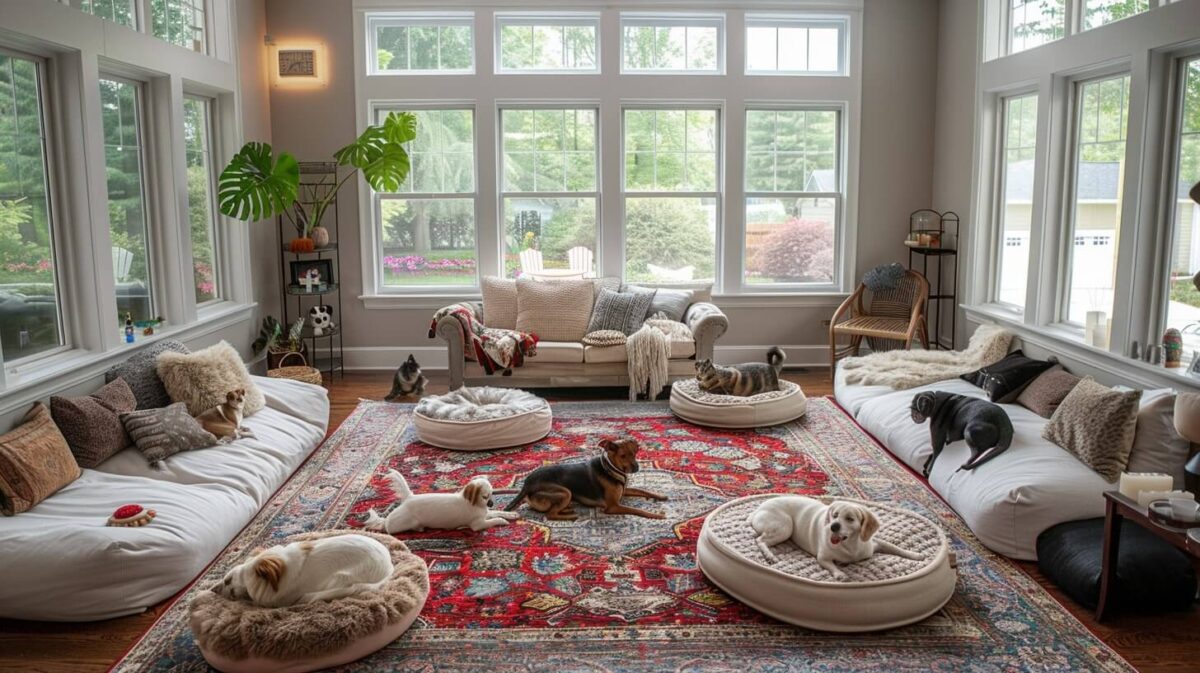
Designated Pet Areas

Designating specific areas for your pets can significantly enhance your home’s functionality and comfort.

Consider creating a cozy nook just for them, complete with their bed, toys, and feeding station. This dedicated space not only keeps your home organized but also gives your pets a sense of belonging.

If you have a yard, think about installing a pet-friendly zone with durable, low-maintenance materials.

A designated area for play and relaxation can help keep your pets safe and happy.

Adding an outdoor pet door can also make access to this area easier.

Frequently Asked Questions

How Can I Pet-Proof My Home’s Electrical Outlets?

To pet-proof your home’s electrical outlets, you can install outlet covers or safety caps.

Consider using tamper-resistant outlets, ensuring cords are secured and out of reach, and regularly checking for any exposed wiring.

What Plants Are Safe for Pets in My Home?

When choosing plants, you want to focus on pet-safe options.

Consider spider plants, Boston ferns, or bamboo palms.

These plants not only beautify your space but also keep your furry friends safe and healthy.

How Do I Choose Pet-Friendly Paint Options?

When choosing pet-friendly paint options, look for low-VOC or zero-VOC paints.

These reduce harmful fumes. Always check labels for safety and ensure proper ventilation during application.

Your pets will thank you for a healthier environment!

What Features Can Enhance Indoor Air Quality for Pets?

To enhance indoor air quality for your pets, consider using air purifiers, installing proper ventilation systems, and choosing low-VOC materials.

Regularly clean surfaces and incorporate plants that filter toxins for a healthier environment.

How Can I Minimize Noise for My Pets During Remodeling?

To minimize noise for your pets during remodeling, you can create a quiet space with soundproof materials.

Use rugs for noise absorption, and keep your pets in a separate area away from construction activities.

Conclusion

Incorporating pet-friendly features into your home remodel not only enhances your living space but also ensures your furry friends are comfortable and safe. By choosing durable flooring, creating secure outdoor areas, and selecting pet-friendly furniture, you can enjoy a stylish home that caters to everyone’s needs. Designate spaces for your pets and implement smart storage solutions to keep your home organized. With these thoughtful touches, you’ll create a warm, inviting environment for both you and your beloved pets.