
Categories
Blog

A Beginner’s Guide to Home Repair Tools Every Allen, TX Homeowner Should Have

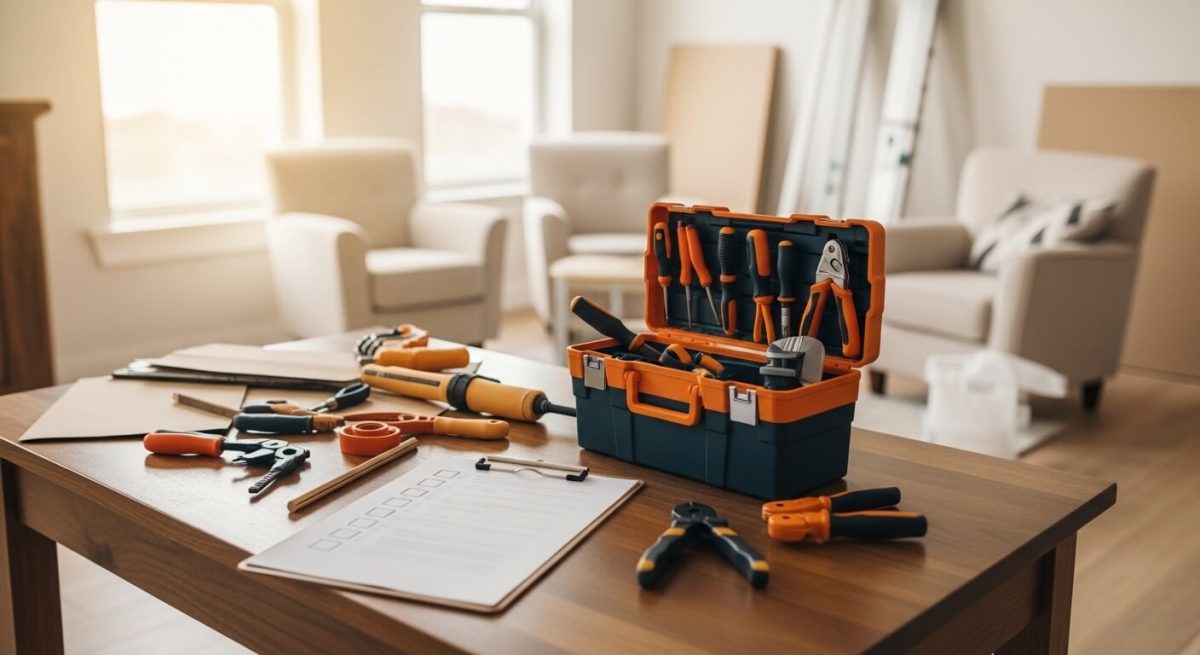
As a homeowner in Allen, TX, you’ll want to start with essential hand tools like a reliable hammer, a set of screwdrivers, a tape measure, and utility knives. For DIY projects, consider power tools like a cordless drill, circular saw, and sander. Don’t forget safety gear, including safety glasses and gloves. Organizing your tools efficiently will save you time, and maintaining them properly guarantees they’ll last. Discover more about optimizing your home repair toolkit.

Essential Hand Tools for Every Homeowner

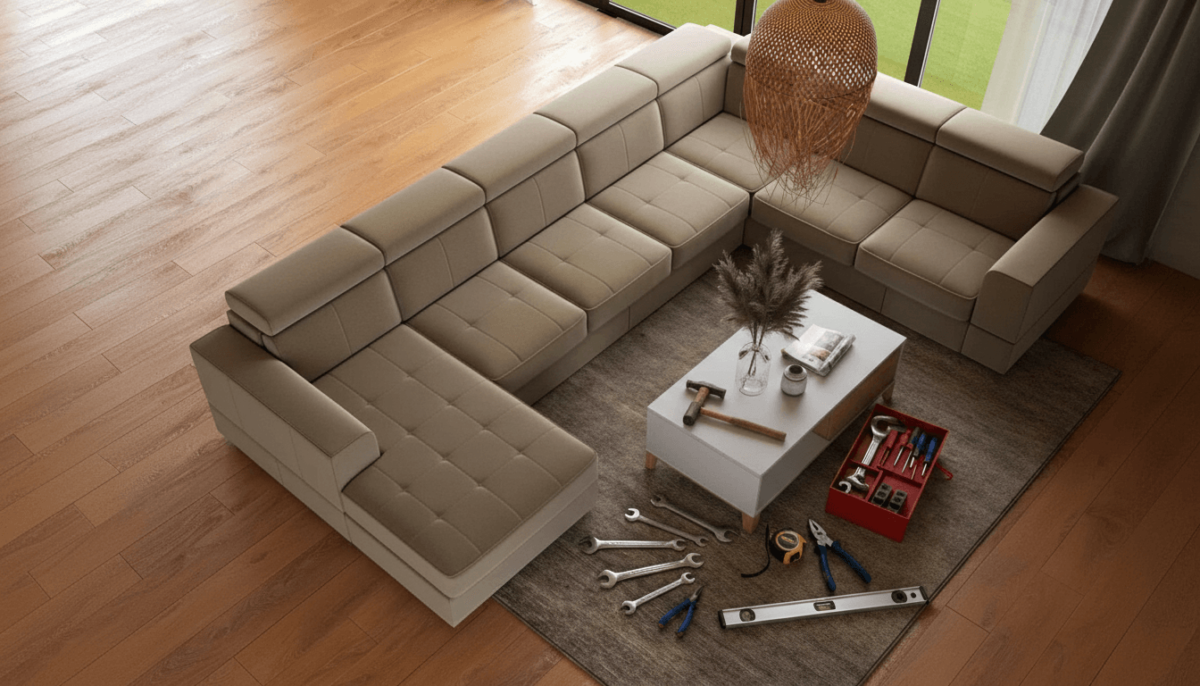
Every homeowner should have a solid set of hand tools on hand to tackle common repairs and maintenance tasks.

Start with a reliable hammer and a set of screwdrivers—both flathead and Phillips. A tape measure is essential for accurate measurements, while utility knives come in handy for various cutting tasks.

Include a pair of pliers and a wrench for gripping and turning. Don’t forget a level for ensuring straight lines and a set of adjustable wrenches for plumbing jobs.

Finally, a sturdy toolbox keeps everything organized, making it easy to find the right tool when you need it most.

Power Tools to Consider for DIY Projects

While hand tools are important for basic repairs, power tools can greatly expand your DIY capabilities. A cordless drill is essential for drilling holes and driving screws quickly and efficiently.

A circular saw makes cutting wood easy, whether for furniture or home improvements. Consider a jigsaw for more intricate cuts and a sander to achieve smooth finishes.

An impact driver can help with tougher tasks, providing extra torque. If you’re tackling larger projects, a table saw is invaluable.

Investing in these power tools will help you tackle a variety of projects and improve your skills as a DIY enthusiast in Allen, TX.

Safety Gear and Equipment

When tackling home repair projects, having the right safety gear and equipment is critical for protecting yourself.

Start with safety glasses to shield your eyes from debris. Ear protection is essential when using loud power tools, while gloves can prevent cuts and scrapes. A dust mask is important for breathing clean air, especially during sanding or painting.

Steel-toed boots offer foot protection when handling heavy materials. Don’t forget a hard hat if you’re working in areas where falling objects are a risk.

Organizing and Storing Your Tools

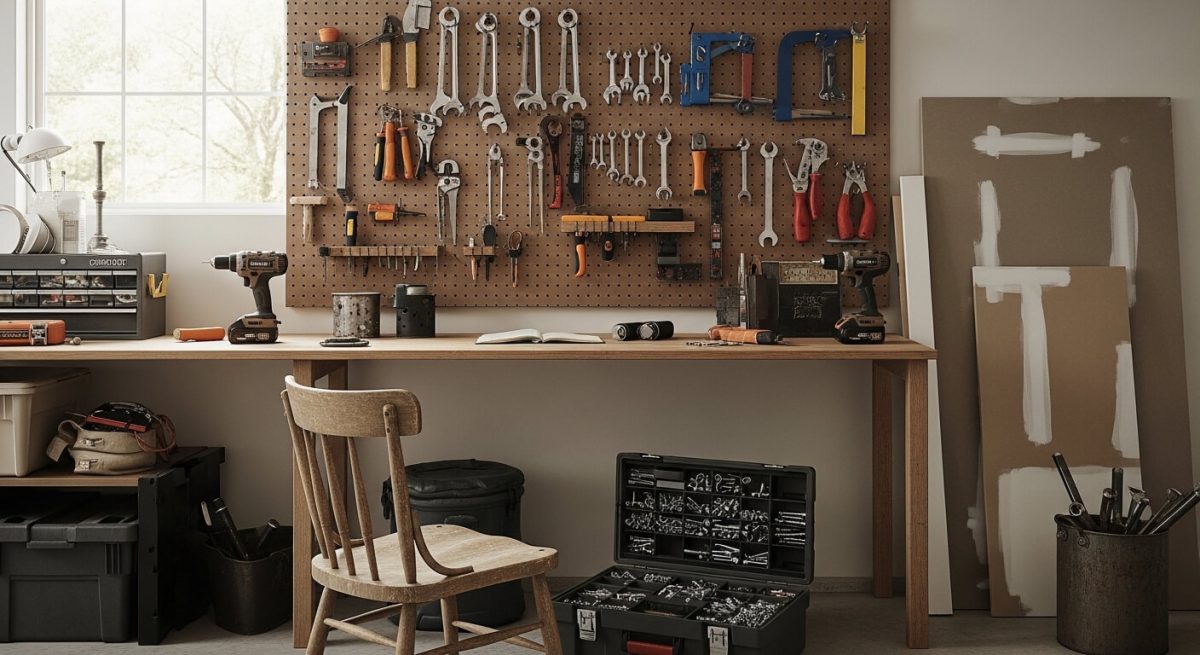
Keeping your tools organized can make a world of difference in your home repair projects. Start by designating a specific storage area, like a tool chest or pegboard.

Group similar tools together—hammers with hammers, screwdrivers with screwdrivers—to save time searching. Use clear bins or labels for easy identification. Magnetic strips are great for keeping small items like screws and nails in check.

Remember to return tools to their designated spots after each use; it’ll help you maintain order. Regularly declutter your workspace, discarding broken or unnecessary items.

An organized setup not only boosts efficiency but also enhances your enjoyment of DIY tasks.

Tips for Maintaining Your Tools

To guarantee your tools last and perform at their best, regular maintenance is essential.

Start by cleaning your tools after each use to remove dirt and debris. For metal tools, oil moving parts to prevent rust and guarantee smooth operation.

Check for any damage, like dull blades or broken handles, and repair or replace them as needed.

Store tools in a dry, temperature-controlled environment to avoid moisture damage.

Finally, keep an inventory of your tools, noting any maintenance performed, so you’re always prepared for your next project.

Consistent care will extend their lifespan and reliability.

Frequently Asked Questions

What Is the Best Way to Learn DIY Home Repair Skills?

The best way to learn DIY home repair skills is by starting small.

Watch online tutorials, practice hands-on projects, and don’t hesitate to ask experienced friends for advice.

You’ll gain confidence and improve your skills quickly!

How Do I Choose the Right Tool for a Specific Job?

To choose the right tool for a specific job, assess the task requirements, consider tool capabilities, and prioritize your comfort.

Research options, ask for recommendations, and don’t hesitate to consult instructional resources for guidance.

Where Can I Find Tutorials for Home Repair Projects?

You can find tutorials for home repair projects on websites like YouTube, DIY blogs, and home improvement forums.

These resources offer step-by-step guides, videos, and community support to help you tackle your repairs confidently.

What Are the Most Common Home Repair Mistakes to Avoid?

You should avoid rushing projects, neglecting safety precautions, using the wrong tools, and skipping measurements.

Don’t overlook proper research or underestimate costs, as these mistakes can lead to bigger problems and wasted time and money.

How Do I Know When to Hire a Professional Instead?

You should hire a professional when a repair feels overwhelming, involves complex systems, or requires specialized skills.

If safety’s a concern or you lack the tools, it’s best to call in an expert.

Conclusion

In conclusion, having the right tools makes all the difference in your home repair projects. By equipping yourself with essential hand tools, power tools, and safety gear, you’ll be ready for any DIY challenge. Don’t forget to keep your tools organized and well-maintained to ensure they last. With these tips, you’ll feel confident tackling repairs around your Allen, TX home and enjoying the satisfaction that comes from doing it yourself. Happy repairing!

Categories
Blog

Should You Live at Home During a Remodel? Pros & Cons for Allen, TX Residents

Living at home during a remodel has its pros and cons, especially for residents in Allen, TX. You get to oversee the work firsthand and make quick decisions, but the constant noise and dust can disrupt your daily routine. Consider how major the renovations are and how well your family adapts to chaos. If you want to manage the process effectively, tips for creating a comfortable space during construction can make a big difference.

Advantages of Staying Home During a Remodel

Staying home during a remodel can actually offer several advantages that make the process smoother for you.

You get to oversee the work firsthand, ensuring everything aligns with your vision. Being present allows for quick decisions, reducing delays caused by miscommunication.

Plus, you can easily address any issues that arise, keeping the project on track. Staying put also minimizes the hassle of moving and finding temporary housing, saving you time and money.

You maintain your routine, which can provide a sense of stability amidst the chaos. Overall, your involvement can lead to a more satisfying renovation experience.

Disadvantages of Living in a Construction Zone

While staying in your home during a remodel can have its perks, living in a construction zone often comes with significant downsides that can disrupt your daily life.

Noise and dust are constant companions, making it hard to relax or concentrate. You might find yourself maneuvering around tools and materials, which can be a safety hazard, especially for kids or pets.

Limited access to certain rooms can disrupt your routine, and you may have to deal with temporary living arrangements for essential activities like cooking or bathing.

Factors to Consider Before Making Your Decision

Before you decide to live at home during a remodel, it’s essential to weigh several factors that could impact your comfort and peace of mind.

Consider the extent of the renovations—are major structural changes involved? Think about your daily routine and how construction noise might disrupt it.

Evaluate your family’s adaptability to living in a construction zone, especially if you have young children or pets.

Additionally, assess your budget; staying home can save money but could lead to unplanned expenses from stress or damage.

Finally, reflect on your emotional tolerance for chaos and inconvenience during the remodeling process.

Tips for Managing Your Home During a Remodel

Living at home during a remodel can be challenging, but with the right strategies, you can maintain some sense of normalcy.

Start by setting up a designated living space that’s separate from the chaos. Keep essential items organized and easily accessible.

Establish a daily routine to provide structure, and communicate clearly with your contractors about your needs and schedule. Don’t hesitate to ask questions or voice concerns.

Finally, create a temporary kitchen area if your kitchen is affected, and consider using outdoor spaces for relaxation.

Staying flexible and positive will help you navigate the challenges more smoothly.

Alternatives to Living at Home During Renovations

If you prefer not to stay at home during renovations, several alternatives can ease the process.

Consider renting a temporary apartment or vacation home nearby. This gives you space while still keeping you close to your daily routines.

Staying with friends or family can also be a cost-effective option, allowing you to enjoy their company while avoiding the chaos.

If you’re working on a smaller renovation, you might even choose to stay in a hotel for a few nights.

Just make sure to pack essentials and keep communication open with your contractor for updates during the process.

Frequently Asked Questions

How Long Will the Remodeling Process Typically Take in Allen, TX?

The remodeling process in Allen, TX typically takes anywhere from a few weeks to several months, depending on the project’s scope.

You’ll want to plan accordingly to minimize disruptions and guarantee a smooth experience.

Will My Home Insurance Cover Damages During the Remodel?

Your home insurance might cover damages during the remodel, but it depends on your specific policy.

Check with your insurer to clarify coverage details, including any exclusions or required documentation for claims related to renovations.

Can I Still Use My Kitchen During Minor Renovations?

Yes, you can still use your kitchen during minor renovations, but it depends on the scope of work.

If contractors are just updating appliances or fixtures, you might’ve limited access but can still cook.

What Permits Are Needed for Home Remodeling in Allen, TX?

In Allen, TX, you’ll typically need a building permit for structural changes, electrical or plumbing work.

Check with your local zoning office for specific requirements and make certain your project complies with city regulations before starting.

How Can I Ensure My Pets Stay Safe During the Remodel?

To keep your pets safe during the remodel, create a secure space away from construction areas, use baby gates, and make certain they’re comfortable with their toys.

Regularly check on them to ease their anxiety.

Conclusion

Ultimately, deciding whether to live at home during a remodel in Allen, TX, depends on your personal circumstances and comfort level. Weigh the pros and cons carefully, considering factors like your tolerance for noise and disruption. If you choose to stay, implement strategies to manage the chaos effectively. However, if the mess feels overwhelming, exploring alternative living arrangements might be the best option. Whatever you decide, ensure it aligns with your needs and lifestyle during the renovation.

Categories
Blog

The Most Overlooked Repairs Homeowners in Allen, TX Forget to Fix

Homeowners in Allen, TX often forget essential repairs that can lead to bigger problems. Ignoring gutter maintenance can result in water damage and foundation issues. Neglecting roof inspections allows hidden damage to worsen. Overlooking HVAC care reduces efficiency and comfort. Failing to check plumbing can lead to costly leaks. Don’t forget about smoke detectors and electrical issues, which pose serious safety risks. Learn more about these overlooked repairs to keep your home safe and functioning well.

Ignoring Gutter Maintenance

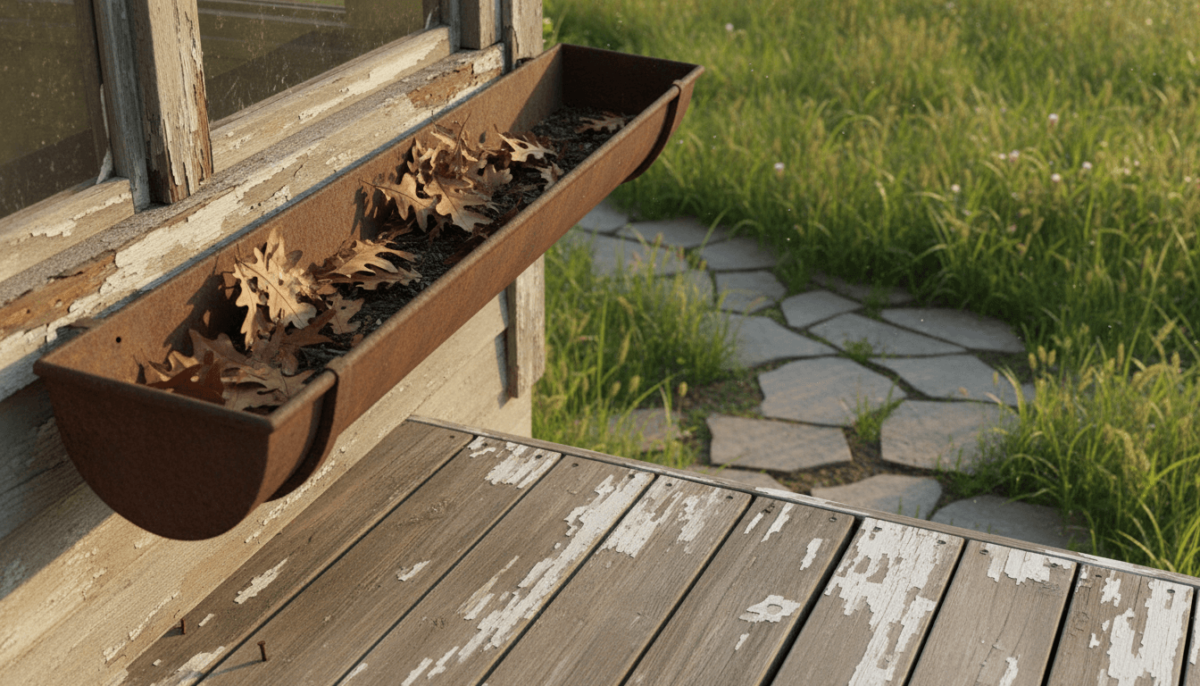
Have you ever considered what might happen if you ignore your gutters? Neglecting gutter maintenance can lead to severe water damage.

When leaves and debris clog your gutters, water overflows, pooling around your foundation. This can cause cracks and even mold growth, threatening your home’s structural integrity.

You might also face pest infestations as stagnant water attracts insects. Regularly cleaning your gutters prevents these issues and saves you money in the long run.

So, take a moment to check them. A little maintenance now can save you from costly repairs later, ensuring your home stays safe and sound.

Don’t wait!

Neglecting Roof Inspections

Ignoring gutter maintenance can lead to serious consequences, but roof inspections often get overlooked as well.

You might think your roof’s in good shape, but hidden damage can silently worsen over time. Cracked shingles, leaks, or weakened structures can compromise your home’s integrity.

Regular inspections help you catch these issues early, saving you money and stress down the line. If you wait until you notice a problem, it could lead to costly repairs or even mold growth.

Schedule an inspection at least once a year, especially after severe weather, to guarantee your roof remains a strong shield for your home.

Overlooking HVAC System Care

How often do you think about your HVAC system? If you’re like most homeowners, it’s probably not often enough.

Neglecting regular maintenance can lead to costly repairs and inefficient performance. Changing air filters every few months is a simple task that can improve air quality and system efficiency.

You should also schedule annual professional inspections to catch potential issues early. Ignoring strange noises or fluctuating temperatures can result in bigger problems down the line.

Don’t let your HVAC system fall by the wayside; proactive care can save you money and guarantee your home stays comfortable year-round.

Failing to Seal Windows and Doors

While you might think your windows and doors are doing their job, failing to seal them properly can lead to significant energy loss and increased utility bills.

Drafts can sneak in unnoticed, making your HVAC system work harder to maintain a comfortable temperature. This not only affects your comfort but also your wallet.

To tackle this issue, inspect your seals regularly and replace any worn-out weatherstripping or caulking. Simple fixes can dramatically improve energy efficiency, enhance your home’s comfort, and save you money.

Don’t overlook this essential task; sealing your windows and doors is a quick and effective home repair.

Skipping Plumbing Checkups

Many homeowners overlook the importance of regular plumbing checkups, but skipping this vital maintenance can lead to costly repairs down the line.

Ignoring leaks, clogs, or pressure issues might seem minor at first, but they can escalate quickly. You could face water damage, mold growth, or even burst pipes if you don’t catch problems early.

Scheduling routine inspections guarantees your plumbing system runs efficiently and helps you spot potential issues before they turn into emergencies.

Don’t wait until it’s too late; invest in your home’s plumbing health now to save yourself time, money, and headaches later on.

Unattended Exterior Paint and Siding

Ignoring plumbing issues can lead to significant damage, but overlooking your home’s exterior paint and siding can be just as detrimental.

Faded or peeling paint not only detracts from your home’s curb appeal but also exposes the siding to moisture, leading to rot and mold. When you let these problems slide, you’re inviting costly repairs down the line.

Regularly inspect your paint and siding for signs of wear, and don’t hesitate to touch up or repaint as needed. Keeping your exterior maintained protects your investment and guarantees your home remains a welcoming sight for years to come.

Disregarding Foundation Cracks

If you overlook foundation cracks, you risk letting small issues escalate into major problems.

Even tiny cracks can lead to significant structural damage if not addressed promptly. Water can seep in, causing mold and further deterioration.

You might notice doors and windows sticking, which is another sign your foundation needs attention. Ignoring these cracks can diminish your home’s value and make future repairs more expensive.

It’s crucial to inspect your foundation regularly, especially after heavy rains or shifts in temperature.

Don’t wait until it’s too late; addressing foundation cracks early can save you time, money, and stress down the line.

Forgetting About Smoke and Carbon Monoxide Detectors

While foundation issues can threaten your home’s stability, overlooking smoke and carbon monoxide detectors can jeopardize your safety.

You might assume these devices are working fine, but regular maintenance is vital. Check the batteries every six months and replace the detectors every ten years. If you haven’t done this, you’re putting your family at risk.

Install detectors on every level of your home, especially near sleeping areas. Don’t forget to test them monthly to verify they’re functioning.

Not Addressing Electrical Issues

Electrical issues can often be easy to overlook, but they pose serious risks to your home and safety. Flickering lights, outlets that feel warm, or tripped circuit breakers shouldn’t be ignored.

These signs indicate potential wiring problems or overloaded circuits that could lead to fire hazards. It’s essential to address these issues promptly. Ignoring them may result in more costly repairs down the line or even jeopardize your family’s safety.

Always consult a licensed electrician for inspections and repairs. Taking these steps not only protects your home but also provides peace of mind, knowing you’ve prioritized a safe environment.

Underestimating Landscape Drainage Problems

Although you might think landscape drainage problems are just a minor inconvenience, they can lead to significant issues for your home and yard.

If water accumulates around your foundation, it can cause mold growth, rot, and structural damage. Plus, poor drainage can lead to erosion, ruining your beautiful landscaping.

You might notice puddles or soggy spots, but ignoring them won’t make them disappear. Instead, invest time in evaluating your drainage system, ensuring it directs water away from your home.

Frequently Asked Questions

How Often Should I Inspect My Gutters?

You should inspect your gutters at least twice a year, ideally in spring and fall.

Regular checks help prevent clogs and water damage, ensuring your home stays safe and your gutters function properly.

What Are Signs of Roof Damage?

You’ll notice signs of roof damage like missing shingles, water stains on ceilings, and granules in gutters.

If you see sagging or daylight through roof boards, it’s time to call a professional for inspection.

When Should I Replace My HVAC Filters?

You should replace your HVAC filters every 1 to 3 months, depending on usage and filter type.

Regular changes improve air quality and system efficiency, preventing costly repairs and ensuring your home stays comfortable year-round.

How Do I Check for Window Air Leaks?

To check for window air leaks, feel around the edges for drafts.

You can use a candle or incense stick; if the smoke wavers, you’ve found a leak.

Seal any gaps with caulk or weatherstripping.

What Plumbing Issues Require Immediate Attention?

If you notice water leaks, slow drains, or unusual noises from pipes, address them immediately.

Ignoring these plumbing issues can lead to costly damage, mold growth, and more extensive repairs down the line.

Don’t wait!

Conclusion

Don’t let these overlooked repairs slip through the cracks in your Allen, TX home. By staying on top of gutter maintenance, roof inspections, and HVAC care, you can prevent bigger issues down the road. Take time to seal windows, check plumbing, and address foundation cracks. Remember to keep your smoke and carbon monoxide detectors in check, tackle any electrical problems, and manage landscape drainage. Being proactive today will save you time and money tomorrow!

Categories
Blog

How to Childproof Your Home During a Remodel in Allen, TX

To childproof your home during a remodel in Allen, TX, start by identifying and designating safe zones away from the chaos. Keep tools and hazardous materials secured in locked cabinets or high shelves. Establish clear boundaries using gates and signage to restrict access to dangerous areas. Maintain open communication with contractors about your childproofing goals and regularly monitor the site for new risks. Discover more ways to create a safe environment throughout your remodel process.

Assessing and Planning Safe Zones

As you commence on your home remodel, it’s essential to assess and plan safe zones for your children.

Start by identifying areas where construction will occur, and keep those spaces off-limits. Designate safe zones in other parts of your home, ensuring they’re free from hazards.

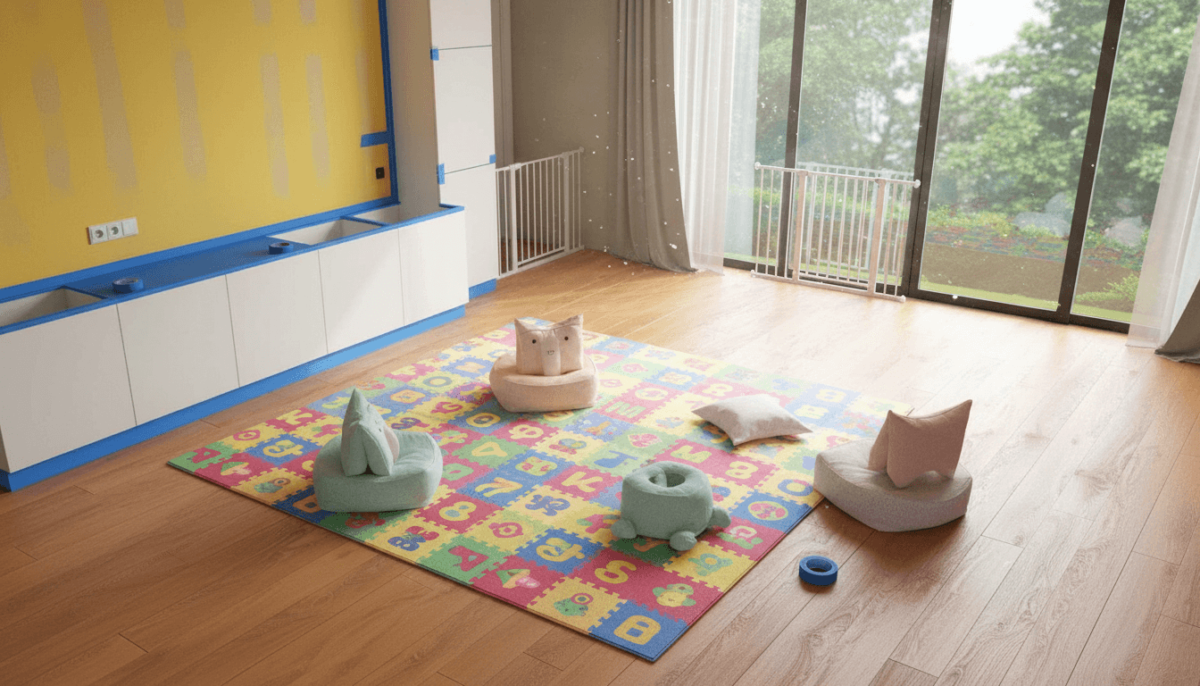
Use gates or barriers to restrict access to dangerous areas, and communicate these boundaries clearly to your kids.

Make these safe zones inviting, stocked with toys and activities to keep them entertained.

Regularly check that your designated zones remain secure throughout the remodel, adapting as necessary to maintain a safe environment for your little ones.

Securing Tools and Materials

After establishing safe zones for your children, the next step is to secure tools and materials used during the remodel.

Store all tools, like saws and drills, in locked cabinets or high shelves, out of reach. Keep hazardous materials, such as paints and adhesives, in sealed containers and secured away from curious hands.

Use child-proof locks for storage areas and label everything clearly for easy identification. Regularly check these areas to make certain nothing’s been left out accidentally.

Establishing Boundaries and Access Points

To keep your children safe during a remodel, establishing clear boundaries and access points is crucial.

First, identify areas that are off-limits, like construction zones or rooms with heavy equipment. Use barriers such as gates or furniture to block access. Clearly mark these areas with signs, so everyone understands where the boundaries lie.

Verify doors leading to unsafe areas remain locked or closed. Also, create a designated safe space for your kids, away from the chaos.

Regularly remind them of these boundaries, reinforcing their importance. By taking these steps, you’ll help protect your children while the remodel is underway.

Communicating With Contractors

Establishing boundaries is just the start; effective communication with your contractors helps guarantee those boundaries are respected.

Be clear about your expectations and share your childproofing goals upfront. Schedule regular check-ins to discuss progress and any concerns.

Encourage an open dialogue, so contractors feel comfortable asking questions or suggesting safety improvements. Use visual aids, like diagrams or photos, to illustrate your vision.

Keep a list of emergency contacts handy, assuring everyone knows what to do if issues arise.

Monitoring and Adjusting Safety Measures

While your remodel is underway, it’s essential to continuously monitor and adjust safety measures to guarantee your child’s environment remains secure.

Regularly inspect areas where work is being done, looking for hazards like sharp tools or exposed wires. Keep a close eye on your child’s movements, and establish barriers to restrict access to dangerous zones.

If you notice any new risks, don’t hesitate to adapt your safety protocols. Communicate with your contractors about any concerns, and make sure they understand your childproofing priorities.

Your vigilance and proactive adjustments can greatly minimize risks during the remodeling process.

Frequently Asked Questions

What Are the Best Safety Gates for Remodel Zones?

The best safety gates for remodel zones are adjustable pressure-mounted gates.

They’re easy to install, moveable, and fit most openings.

Look for models with safety latches to guarantee your little ones stay secure and safe.

How Can I Keep My Child Entertained During Renovations?

You can keep your child entertained during renovations by setting up a play area with their favorite toys, providing engaging activities like coloring or puzzles, and involving them in safe tasks to make them feel included.

Are There Childproofing Services Available in Allen, TX?

Yes, there are childproofing services available in Allen, TX.

You can find local professionals who specialize in child safety measures, ensuring your home is secure during renovations.

Just search online or ask for recommendations!

How Do I Choose Child-Safe Materials for My Remodel?

Choose non-toxic paints, durable flooring, and rounded furniture edges.

Look for low-VOC materials and avoid sharp corners.

Prioritize soft surfaces and guarantee any cabinetry has child-safe locks.

Your remodel can be both stylish and safe!

What Should I Do if My Child Gets Too Close to Construction Areas?

If your child gets too close to construction areas, immediately redirect them to a safe space.

Keep a close eye, set clear boundaries, and guarantee you’ve blocked off hazardous zones with barriers or warning signs.

Conclusion

By taking the right precautions, you can ensure a safe environment for your children during your remodel in Allen, TX. Regularly assess your home’s safety zones, secure tools and materials, and establish clear boundaries. Keep open lines of communication with your contractors to address any concerns, and monitor safety measures as the project progresses. With a proactive approach, you can protect your little ones while creating the home of your dreams.

Categories
Blog

How to Make Your Home More Energy Efficient With Simple Upgrades in Allen, TX

To make your home more energy-efficient in Allen, TX, start by sealing air leaks around windows and doors, and adding insulation to your attic and walls. Upgrade to ENERGY STAR® appliances to reduce energy use, and install smart thermostats for better control over your heating and cooling. Don’t forget to optimize your HVAC system with regular maintenance and clean filters. There are also renewable energy options worth exploring that can save you even more. Want to discover more ways to improve efficiency?

Seal Air Leaks and Insulate Your Home

To improve your home’s energy efficiency, sealing air leaks and adding insulation is essential.

Start by checking areas like windows, doors, and electrical outlets for drafts. Use caulk or weatherstripping to seal these gaps, preventing warm or cool air from escaping.

Next, consider adding insulation to your attic, walls, and floors. Proper insulation keeps your home comfortable year-round and reduces energy costs.

Remember to choose the right type of insulation for your climate and needs.

Upgrade to Energy-Efficient Appliances

Upgrading to energy-efficient appliances can greatly reduce your energy consumption and lower your utility bills.

These appliances, often labeled with the ENERGY STAR® symbol, use advanced technology to consume less electricity and water. Consider replacing old refrigerators, dishwashers, and washing machines with newer models designed for efficiency. You’ll notice a difference in both performance and savings.

Additionally, energy-efficient appliances tend to have longer lifespans, reducing the need for frequent replacements. Not only will you contribute to a healthier environment, but you’ll also enjoy modern features that make your daily tasks easier.

It’s a smart investment for your home and wallet.

Install Smart Thermostats and Lighting

By installing smart thermostats and lighting, you can gain greater control over your home’s energy use and enhance your comfort.

Smart thermostats learn your preferences and adjust temperatures automatically, ensuring you’re never wasting energy when you’re away. You can also control them remotely via your smartphone, giving you flexibility and convenience.

Pairing these with smart lighting allows you to schedule when lights turn on and off, and even adjust brightness based on your activities.

Together, these upgrades can considerably lower your energy bills while creating a more comfortable living environment, making them a wise investment for your home.

Optimize Heating and Cooling Systems

Smart thermostats and lighting set the stage for optimizing your heating and cooling systems.

First, schedule regular maintenance for your HVAC units to guarantee they run efficiently. Clean or replace filters monthly to improve airflow and reduce strain on the system.

Seal any drafts in windows and doors to prevent heat loss in winter and keep cool air inside during summer. Use ceiling fans to circulate air, making your home feel more comfortable without overworking your air conditioner.

Finally, set your thermostat a few degrees higher in summer and lower in winter to save energy while maintaining comfort.

Consider Renewable Energy Options

As you explore ways to enhance your home’s energy efficiency, considering renewable energy options can lead to significant savings and environmental benefits.

Installing solar panels is a popular choice, allowing you to harness sunlight to power your home. Wind turbines can also be effective if your property has enough space and wind exposure.

Additionally, consider solar water heaters for efficient water heating. You can even look into community renewable energy programs if installation isn’t feasible.

Frequently Asked Questions

How Much Can I Save With Energy-Efficient Upgrades?

You can save anywhere from 10% to 30% on your energy bills with energy-efficient upgrades.

It depends on the upgrades you choose and your current energy usage, but the savings can really add up!

Are There Tax Credits for Energy-Efficient Home Improvements?

Yes, there’re tax credits available for energy-efficient home improvements.

You can often claim these credits when you upgrade insulation, windows, or appliances.

Check with a tax professional to maximize your savings and eligibility.

What Are the Best Materials for Insulation?

The best materials for insulation include fiberglass, spray foam, cellulose, and mineral wool.

Each offers unique benefits, so consider your budget and climate when choosing.

You’ll enhance your home’s comfort and energy efficiency with the right option.

How Often Should I Replace My HVAC Filters?

You should replace your HVAC filters every one to three months.

If you have pets or allergies, consider changing them more frequently.

Keeping your filters clean helps maintain air quality and system efficiency.

Can I Do These Upgrades Myself or Hire a Professional?

You can definitely tackle some upgrades yourself, but hiring a professional guarantees proper installation and efficiency.

Assess your skills and comfort level—if a project feels overwhelming, it’s wise to consult an expert.

Conclusion

By making these simple upgrades, you can significantly boost your home’s energy efficiency in Allen, TX. Sealing air leaks, upgrading appliances, and using smart technology are easy steps that lead to lower energy bills and a more comfortable living space. Plus, exploring renewable energy options can further enhance your savings and reduce your carbon footprint. Start implementing these changes today, and enjoy the benefits of a more efficient and eco-friendly home!

Categories
Blog

The Difference Between Handyman Repairs and Full Remodeling Services

Handyman repairs focus on quick, efficient fixes for smaller projects around your home, like fixing leaky faucets or patching drywall. In contrast, full remodeling services involve extensive renovations that can transform entire spaces, requiring structural changes and permits. Handyman services save you time and stress by tackling minor tasks, while full remodeling offers tailored designs and a cohesive look for major upgrades. If you want to understand more about which option suits your project, there’s more to take into account.

Understanding Handyman Services

When it comes to home repairs, handyman services are your go-to solution for quick and efficient fixes.

These professionals tackle a variety of tasks, from minor plumbing issues to electrical repairs and drywall patching. They’re skilled in many areas, making them ideal for small projects that don’t require extensive remodeling.

You’ll find their services invaluable for routine maintenance, like changing light fixtures or fixing leaky faucets. Handyman services save you time and hassle, allowing you to focus on what really matters.

Whether it’s a squeaky door or a cracked tile, a handyman can handle it with ease.

Benefits of Hiring a Handyman

Hiring a handyman can save you both time and stress, as they bring a wealth of skills to handle various tasks around your home.

From fixing leaky faucets to hanging shelves, they tackle jobs efficiently and effectively. You won’t have to juggle multiple contractors or worry about managing schedules.

Plus, their expertise often means fewer mistakes and a quicker turnaround. You can also build a lasting relationship, making future projects even smoother.

With a handyman, you gain peace of mind knowing that your home repairs are in capable hands, allowing you to focus on what truly matters.

What Full Remodeling Services Entail

While a handyman can handle smaller tasks around your home, full remodeling services take on larger projects that transform spaces entirely.

These services cover everything from kitchen and bathroom renovations to complete home overhauls. You’ll work with skilled professionals who design, plan, and execute your vision.

This includes structural changes, electrical and plumbing updates, and high-quality finishes. Full remodeling often involves obtaining permits and adhering to building codes, ensuring safety and compliance.

You’ll also benefit from a cohesive look, as these services manage every detail, making your renovation experience smoother and more efficient from start to finish.

Advantages of Full Remodeling

Choosing full remodeling services offers numerous advantages that can greatly enhance your home and lifestyle.

First, you get a tailored design that reflects your personal style and meets your specific needs. Full remodeling often increases your property’s value, providing a solid return on investment.

You’ll also benefit from a more cohesive look, as everything can be planned and executed together. Plus, full remodeling allows for modern upgrades, improving efficiency and functionality.

With expert contractors managing the project, you’ll save time and reduce stress. Ultimately, a full remodel transforms your space into a home that perfectly matches your vision.

Choosing the Right Option for Your Project

How do you decide between handyman repairs and full remodeling services for your project?

Start by evaluating your needs. If it’s a minor fix, like patching drywall or changing a faucet, a handyman’s your best bet.

But if you’re planning a significant change, like a kitchen overhaul or adding a room, full remodeling is the way to go.

Consider your budget, timeline, and the complexity of the work.

Don’t forget to evaluate the value each option brings to your home.

Ultimately, choosing the right option depends on balancing your vision with practical considerations for your specific project.

Frequently Asked Questions

How Do I Find a Reliable Handyman Service Near Me?

To find a reliable handyman service near you, ask friends for recommendations, check online reviews, and compare quotes.

Once you’ve narrowed down options, interview potential handymen to guarantee they meet your needs and expectations.

Are Handyman Services Typically Licensed and Insured?

Not all handyman services are licensed and insured, but many reputable ones are.

It’s crucial to ask for proof of licensing and insurance before hiring to guarantee you’re protected during repairs or projects.

What Is the Average Cost of Handyman Repairs?

The average cost of handyman repairs typically ranges from $50 to 150 per hour, depending on the job’s complexity and location.

You’ll find that smaller tasks are often more affordable, while specialized work may cost more.

How Long Do Handyman Repairs Usually Take?

Handyman repairs usually take a few hours to a day, depending on the job’s complexity.

You’ll find that smaller tasks, like patching holes or fixing leaky faucets, typically require less time than extensive repairs.

Can a Handyman Assist With DIY Projects?

Yes, a handyman can definitely assist with DIY projects!

They can provide guidance, help with difficult tasks, or even take over parts you find challenging.

Don’t hesitate to reach out for their expertise and support!

Conclusion

Ultimately, whether you choose handyman services or full remodeling depends on your project’s scope and needs. If you’re looking for quick fixes and minor updates, a handyman’s expertise can save you time and money. However, if you’re envisioning a complete transformation, full remodeling offers a comprehensive solution. Consider your goals, budget, and timeline, and you’ll find the right option that fits your vision. Whichever you decide, you’re one step closer to enhancing your space!

Categories
Blog

How to Improve Your Home’s Storage Without Major Construction in Allen, TX

To improve your home’s storage without major construction in Allen, TX, start by utilizing vertical space with tall shelves and wall-mounted hooks. Invest in multi-functional furniture like ottomans with storage or a coffee table that hides clutter. Organize creatively using decorative baskets and under-bed storage. Don’t forget to declutter regularly and optimize existing spaces, like the area under the stairs. Keep exploring these tips, and you’ll discover even more innovative storage solutions!

Utilize Vertical Space Efficiently

To maximize your storage potential, start looking up—utilizing vertical space can transform even the smallest rooms.

Install shelves above furniture or use tall bookcases to draw the eye upward. Consider wall-mounted hooks for bags, coats, or kitchen utensils, freeing up floor space.

Don’t forget about ceiling-mounted storage for seasonal items or rarely used belongings. Use stackable bins or baskets on higher shelves, labeling them for easy access.

If you’re feeling creative, floating shelves can display decor while providing storage. Embrace the height of your walls, and you’ll find room for everything you need without cluttering your living space.

Invest in Multi-Functional Furniture

Maximizing storage doesn’t just stop at vertical solutions; investing in multi-functional furniture can take your organization to the next level.

Look for pieces that serve multiple purposes, like a coffee table that doubles as storage or a sofa bed for guests. Ottomans with hidden compartments can offer extra seating and keep clutter hidden.

Consider a dining table that expands to accommodate more guests while providing storage underneath. By choosing items that combine style and functionality, you’ll create a more organized space without sacrificing aesthetics.

Embrace these smart solutions, and watch your home transform into a clutter-free haven.

Organize With Creative Storage Solutions

While you might think that traditional shelving is the only way to organize your space, there are countless creative storage solutions that can add both functionality and flair.

Consider using decorative baskets or bins to store items neatly while enhancing your decor. Floating shelves can showcase your favorite books or plants without taking up floor space.

Magnetic strips are perfect for organizing kitchen tools or office supplies, keeping them easily accessible. Utilize under-bed storage for seasonal items, and hang hooks or pegboards to display accessories or tools.

These innovative ideas will maximize your space and keep it looking stylish and organized.

Declutter and Optimize Existing Spaces

After implementing creative storage solutions, it’s time to focus on decluttering and optimizing your existing spaces.

Start by sorting through your belongings; keep only what you truly need or love. Donate or discard items that no longer serve a purpose.

Next, assess each room—are there surfaces cluttered with unnecessary items? Clear them off to create a more open feel.

Utilize storage bins or baskets to group similar items together. Label these containers for easy access.

Finally, make a habit of regularly revisiting your spaces to maintain organization, ensuring your home stays functional and clutter-free.

Make Use of Underutilized Areas

To truly enhance your home’s storage capacity, consider the underutilized areas that often go overlooked. Look beneath your stairs; adding shelves or bins can turn that space into a functional storage nook.

Don’t forget about closet doors—install hooks or racks to maximize vertical space. Your garage can also serve as a storage haven; use wall-mounted shelves or pegboards for tools and supplies.

Even the space above kitchen cabinets can be transformed with decorative baskets or boxes. By creatively utilizing these hidden spots, you’ll free up valuable room while keeping your home organized and clutter-free.

Frequently Asked Questions

What Are Some Budget-Friendly Storage Options Available in Allen, TX?

You’ll find plenty of budget-friendly storage options in Allen, TX, like thrift stores for used furniture, local marketplaces for affordable bins, and DIY projects using repurposed materials to maximize your space creatively and cost-effectively.

How Can I Choose the Right Storage Solutions for My Home?

To choose the right storage solutions for your home, assess your space, identify items needing storage, and prioritize functionality.

Consider versatile options like bins, shelves, and hooks to maximize efficiency and keep everything organized.

Are There Local Professionals Who Specialize in Home Organization?

Yes, there are local professionals specializing in home organization.

You can search online or ask for recommendations from friends.

They’ll help you create efficient storage solutions tailored to your needs and preferences.

What Items Should I Avoid Storing in My Garage?

You should avoid storing food, paint, chemicals, or valuable items in your garage.

Extreme temperatures can spoil food, damage valuables, and render chemicals hazardous.

Keep your garage organized by storing only appropriate items.

How Often Should I Reassess My Home Storage Needs?

You should reassess your home storage needs at least twice a year.

Regularly evaluate your items, changing lifestyles, and seasonal demands to guarantee your storage solutions remain efficient and meet your current requirements.

Conclusion

Improving your home’s storage without major construction is entirely possible. By utilizing vertical space, investing in multi-functional furniture, and organizing with creative solutions, you can maximize every inch of your home. Don’t forget to declutter and optimize your existing spaces while making use of underutilized areas. With these tips, you’ll not only create a more organized environment but also enhance your home’s functionality. Start implementing these ideas today and enjoy a more spacious living area!

Categories
Blog

Why Your Home May Need a Handyman Before Selling (Even After Staging)

Even after staging, your home might still need a handyman before selling. Small repairs like leaky faucets, squeaky doors, or chipped paint can deter buyers and lower your home’s value. A well-maintained home makes a powerful first impression, helping buyers envision their life there. Hiring a handyman to tackle these issues is cost-effective and boosts appeal. Plus, timing these repairs before listing guarantees everything is perfect for showings. Learn about the most impactful repairs to take into account.

The Importance of First Impressions

When potential buyers step into your home, the first impression they get can make or break their interest. You want them to feel welcomed and excited, not overwhelmed by clutter or minor repairs.

Focus on creating a clean, inviting space that highlights your home’s best features. Fresh paint, tidy landscaping, and well-maintained entryways can set the tone for their visit.

Remember, buyers often envision their life in your home, and a positive first impression can spark their imagination. Investing time and effort into these details can greatly boost your chances of a quick and profitable sale.

Don’t underestimate the power of first impressions!

Common Repairs That Can Deter Buyers

Even if your home has great potential, neglecting common repairs can quickly deter buyers. Cracked windows, leaky faucets, and peeling paint create an impression of neglect that’s hard to shake.

Buyers often see these issues as red flags, signaling more significant problems down the line. Squeaky doors and damaged flooring might lead them to question the overall upkeep of your property.

Even minor things like light fixtures or outlet covers can make a difference. Addressing these repairs before listing not only boosts your home’s appeal but also helps you secure a better price when it’s time to sell.

Enhancing Your Home’s Appeal With Maintenance

By taking the time to maintain your home, you can greatly enhance its appeal to potential buyers. Simple tasks like cleaning gutters, touching up paint, and fixing squeaky doors can make a great impression.

Confirm your landscaping is tidy and your front door looks inviting. Consider updating light fixtures and replacing worn hardware for a fresh look.

A well-maintained home signals to buyers that you’ve cared for the property, making them more likely to envision themselves living there. Even minor repairs can contribute to an overall sense of warmth and comfort, helping your home stand out in a competitive market.

The Cost-Effectiveness of Hiring a Handyman

Hiring a handyman can be a smart investment, especially when you consider the potential return on your home sale. By addressing minor repairs and updates, you can greatly boost your home’s value and appeal, attracting more buyers.

The cost of hiring a handyman often pales in comparison to the increased offers you might receive. Simple fixes like patching drywall, repainting, or fixing leaky faucets can create a more inviting atmosphere.

Plus, a well-maintained home can help you avoid price negotiations or buyer walkaways. Ultimately, spending a little now can lead to a much higher profit when you sell.

Timing Your Repairs Before Listing Your Home

When you’re preparing to list your home, timing your repairs can greatly impact your sale. It’s crucial to tackle repairs well in advance of your listing date. This way, you avoid the last-minute rush and guarantee everything’s in top shape for showings.

Focus on high-impact areas first, like the kitchen and bathrooms, as these often attract buyers’ attention. Schedule repairs to allow time for any unforeseen issues that may arise.

Frequently Asked Questions

How Do I Choose the Right Handyman for My Repairs?

To choose the right handyman, check reviews, ask for referrals, and verify credentials.

Get multiple quotes and guarantee they specialize in your needed repairs.

Trust your instincts; a good rapport matters for effective communication.

Will Small Repairs Really Impact My Home’s Sale Price?

Yes, small repairs can greatly impact your home’s sale price.

Buyers often perceive well-maintained properties as more valuable, so addressing minor issues can lead to higher offers and a quicker sale.

Don’t underestimate their importance!

Can I Do the Repairs Myself Instead of Hiring Someone?

You can definitely do the repairs yourself if you have the skills and time.

Just remember, some tasks might require professional expertise, so weigh your options carefully to avoid potential issues down the line.

What if My House Already Looks Good Enough?

Even if your house looks good enough, small repairs can enhance its appeal and value.

Buyers often notice minor flaws, so addressing them can make a significant difference in attracting offers and closing deals.

How Long Should I Expect Repairs to Take Before Selling?

You should expect repairs to take anywhere from a few days to a couple of weeks, depending on the complexity.

Prioritize essential fixes to attract buyers and guarantee a smooth selling process.

Conclusion

Before selling your home, don’t underestimate the value of a handyman. Even after staging, small repairs can make a big difference in first impressions. Addressing common issues not only enhances your home’s appeal but also shows buyers that you’ve cared for the property. Plus, hiring a handyman can be cost-effective, saving you time and stress. By timing your repairs right, you’ll ensure your home stands out in the market and attracts the right buyers.

Categories
Blog

How to Turn Unused Corners Into Practical Spaces in Your Allen, TX Home

You can easily turn unused corners in your Allen, TX home into practical spaces by defining cozy reading nooks with comfortable seating and soft lighting. Consider mini-offices for productivity, utilizing small desks and vertical storage. For organization, creative storage solutions like decorative bins can help declutter. Indoor gardens can bring life to any corner, while play areas for kids can be made fun and functional. Keep exploring for more inspiring ideas to maximize your space.

Cozy Reading Nooks: Creating a Personal Retreat

As you explore the unused corners of your home, consider transforming one into a cozy reading nook where you can escape into the pages of your favorite books.

Choose a quiet spot with natural light, and add a comfortable chair or cushions to create an inviting atmosphere. Surround yourself with shelves filled with your beloved novels, and don’t forget a small side table for your coffee or tea.

Soft lighting, like a floor lamp or fairy lights, can enhance the ambiance. Personal touches, like a warm blanket or art, will make it truly yours, turning that corner into a peaceful retreat.

Mini-Offices: Maximizing Productivity in Small Spaces

After finding a cozy reading nook, why not tackle another underutilized space in your home?

Consider transforming that neglected corner into a mini-office. A small desk, a comfortable chair, and some good lighting can create a productive workspace.

Use vertical storage solutions to keep your essentials within reach while maintaining an organized feel. Personal touches like artwork or plants can enhance your focus and motivation.

This dedicated spot will help you separate work from leisure, boosting your efficiency. Even in tight spaces, you can create a functional mini-office that inspires creativity and productivity without overwhelming your home’s aesthetic.

Creative Storage Solutions: Organizing Clutter

While it might seem overwhelming, organizing clutter can be a rewarding challenge that transforms your space.

Start by evaluating each corner—identify what you truly need and what can go. Use vertical storage options like shelves to maximize space and keep items off the floor.

Invest in decorative bins or baskets to hide smaller clutter while adding style. Consider multi-functional furniture, like ottomans with storage or coffee tables with drawers, to keep essentials within reach.

Label everything for easy access, and make it a habit to regularly declutter.

You’ll create a more organized, inviting home that reflects your personality.

Indoor Gardens: Bringing Nature Indoors

How can you transform unused corners of your home into thriving indoor gardens?

Start by selecting low-maintenance plants like succulents or pothos that thrive in limited light.

Use vertical planters or wall-mounted shelves to maximize space and create an eye-catching display.

Consider adding a small trellis for climbing plants, enhancing both aesthetics and greenery.

Make sure to group plants with similar watering needs to simplify care.

Don’t forget to incorporate decorative pots that match your home’s style.

With a little creativity, you can breathe life into those forgotten corners, making your space feel fresh and inviting.

Play Areas for Kids: Fun and Functional Design

Creating a play area for kids can transform an unused corner into a vibrant space where imagination flourishes.

Start by choosing colorful rugs or mats to define the area, making it inviting and fun. Incorporate storage solutions like bins or shelves to keep toys organized and accessible.

Add a small table and chairs for arts and crafts activities or reading time. Consider installing wall-mounted shelves for books and games, maximizing vertical space.

Personalize the area with your child’s artwork or favorite characters.

With thoughtful design, you’ll create a playful environment that nurtures creativity while keeping your home organized.

Frequently Asked Questions

What Furniture Works Best for Small Corner Spaces?

For small corner spaces, consider using corner shelves, compact chairs, or a small accent table.

These pieces maximize functionality without overwhelming the area, allowing you to create a cozy nook or display your favorite items.

How Do I Choose the Right Lighting for a Corner?

To choose the right lighting for a corner, consider its purpose.

Use floor lamps for reading, wall sconces for ambiance, or pendant lights for style.

Match the fixture size and brightness to your space’s needs.

Can I Use Corner Spaces for Pets?

Absolutely, you can use corner spaces for pets!

Create cozy nooks with pet beds or litter boxes.

Just make certain they’ve enough room to move and feel secure, making it a perfect spot for them.

What Styles Suit Corner Spaces in Modern Homes?

Modern homes suit minimalist, eclectic, or industrial styles in corner spaces.

You can create cozy reading nooks, display art, or incorporate plants, adding character and functionality while enhancing your overall decor.

How Do I Maintain Functionality in a Corner Design?

To maintain functionality in a corner design, choose versatile furniture, like nesting tables or storage ottomans.

Keep the area clutter-free, use smart lighting, and incorporate elements that enhance both style and practicality for everyday use.

Conclusion

By transforming those unused corners in your Allen, TX home, you can create practical spaces that enhance your lifestyle. Whether you’re curling up in a cozy reading nook, setting up a mini-office, organizing with creative storage, nurturing an indoor garden, or designing a playful area for kids, every corner can serve a purpose. Embrace these ideas, and watch how your home becomes a more functional and inviting place for you and your family.

Categories
Blog

What to Expect During Your First Consultation With a Handyman in Allen, TX

During your first consultation with a handyman in Allen, TX, you’ll discuss your repair needs and assess their skills. Be ready with a list of issues you’ve noticed and questions about pricing and timelines. You should also explore their experience and any required certifications. Establish clear communication methods and follow-up procedures to keep everything on track. This sets the stage for a smooth collaboration and guarantees you’re on the same page about the project. There’s more to contemplate as you prepare.

Preparing Your List of Repairs and Questions

Before your handyman consultation, it’s important to prepare a thorough list of repairs and questions.

Start by jotting down any issues you’ve noticed in your home, like leaky faucets or squeaky doors. Be specific about each repair, noting where and when the problem occurs.

Next, think of questions that will help you understand the handyman’s process, pricing, and estimated timelines. Consider asking about warranties or follow-up services too.

This preparation not only clarifies your needs but also shows the handyman you’re organized and serious, ensuring a productive discussion during your meeting.

Assessing the Handyman’s Skills and Experience

Once you’ve outlined your repairs and questions, it’s time to evaluate the handyman’s skills and experience.

Start by asking about their previous projects and how long they’ve been in the business. Request references or check online reviews to gauge their reputation.

Don’t hesitate to inquire about specific skills related to your repairs, like plumbing or electrical work. It’s also beneficial to discuss any certifications or training they’ve completed.

Finally, trust your instincts; a good handyman should communicate clearly and show enthusiasm for your project. This assessment will help guarantee you choose someone capable and reliable for your needs.

Discussing Project Scope and Timeline

How do you envision the project unfolding? Start by sharing your ideas and any specific tasks you need help with.

This conversation is essential for setting a clear scope. Discussing the details allows the handyman to understand your vision, helping them identify what materials and tools are needed.

Next, talk about your timeline. When do you want the project completed? Be realistic about your deadlines and consider any factors that might affect the schedule.

The handyman will appreciate your clarity and can provide an estimated timeframe, ensuring everyone’s on the same page as you move forward.

Understanding Pricing and Payment Options

Understanding pricing and payment options is essential for a smooth handyman consultation. Before your meeting, it’s helpful to know the typical rates in your area. Handyman services usually charge either hourly or a flat rate per project.

During the consultation, ask for a detailed estimate that outlines labor and material costs. Don’t hesitate to inquire about any additional fees.

Payment methods can vary; many handymen accept cash, checks, and credit cards. Clarifying these details upfront will help you avoid surprises later and guarantee you’re comfortable with the financial aspect of your project.

Being informed makes the process easier for everyone involved.

Establishing Communication and Follow-Up Procedures

Effective communication during your handyman consultation can make all the difference in ensuring your project runs smoothly.

To establish clear lines of communication, discuss preferred methods, like phone calls, texts, or emails. Make sure you’re both on the same page about project timelines and expectations.

Don’t hesitate to ask questions about any concerns that arise. Establish a follow-up schedule to check on progress or address any issues. This keeps everyone informed and engaged throughout the project.

Frequently Asked Questions

What Types of Services Do Handymen Typically Offer?

Handymen typically offer services like home repairs, plumbing, electrical work, painting, drywall installation, and furniture assembly.

They can also help with landscaping, flooring, and general maintenance to keep your home in great shape.

How Long Will the Consultation Appointment Last?

Your consultation appointment will typically last between 30 minutes to an hour.

During this time, you’ll discuss your needs, the handyman will assess the situation, and you’ll receive an estimate for the work required.

Should I Be Present During the Consultation?

Yes, you should be present during the consultation.

It helps you communicate your needs clearly, ask questions, and guarantee the handyman understands your vision.

Your involvement leads to better results and a smoother experience overall.

Can Handymen Provide References or Past Project Photos?

Yes, most handymen can provide references and past project photos.

It’s a great way for you to evaluate their skills and guarantee you’re making the right choice for your home improvement needs.

Don’t hesitate to ask!

Are There Warranties or Guarantees on Completed Work?

Yes, many handymen offer warranties or guarantees on their completed work.

It’s smart to ask about these protections during your consultation, ensuring you feel confident in the quality and durability of the services provided.

Conclusion

As you wrap up your first consultation with a handyman in Allen, TX, remember that clear communication is key. By preparing your list of repairs and questions, you’ll ensure a productive discussion. Don’t hesitate to ask about their experience, project timeline, and pricing options. Establishing a good rapport now will make future interactions smoother. With everything in place, you can confidently move forward with your home improvement projects. Happy fixing!