To determine if a home repair in Allen, TX is DIY-friendly or needs a handyman, assess your skills and past experiences with repairs. Break down the project’s complexity, checking for necessary tools and time commitment. Research local regulations, especially for plumbing or electrical work. Also, consider safety risks involved in the task. If you’re uncertain about managing it all, you might want to get a professional’s help—stick around for more insights on making the right choice.
Assessing Your Skill Level and Experience
Before diving into DIY projects, it’s essential to assess your skill level and experience.
Think about the repairs you’ve handled in the past. Have you successfully completed any home improvement tasks? If you’ve tackled plumbing, electrical work, or carpentry, you might feel confident taking on more complex projects.
However, if you’re new to DIY or have limited experience, it’s wise to start small. Consider watching tutorials or practicing simple tasks before attempting anything major.
Knowing your strengths and weaknesses will help you choose the right projects, ensuring you don’t bite off more than you can chew. Stay realistic about your abilities!
Evaluating the Complexity of the Repair
How do you determine if a repair is too complex for your skill set? Start by breaking down the task into smaller steps.
If you find yourself unsure about any part, it might be a sign to call in a professional. Consider the tools required; if you don’t own or know how to use them, it could complicate the project.
Look for warning signs like structural issues or electrical work, which typically require advanced skills.
Finally, assess the time commitment. If it seems overwhelming or you’re short on time, hiring a handyman might save you stress and guarantee quality work.
Understanding Local Regulations and Codes
Understanding local regulations and codes is essential, as failing to comply can lead to fines or unsafe conditions in your home.
Before starting any repair, check your city’s building codes and zoning laws. These rules vary based on location and project type, so you’ll want to verify your plans align with them.
For example, electrical work often requires permits and inspections, while simple cosmetic updates might not.
Don’t hesitate to reach out to your local building department for guidance. Staying informed helps you avoid costly mistakes and guarantees your home remains safe and up to code.
Considering Time and Cost Factors
When you commence on a DIY home repair project, it’s essential to weigh the time and cost involved to guarantee it’s worth your effort.
Consider how long the task will take, including prep and cleanup. Are you able to dedicate that time, or will it disrupt your schedule?
Next, evaluate the cost of materials and tools against hiring a handyman. Sometimes, the savings aren’t significant enough to justify the time commitment.
By evaluating these factors, you’ll make a more informed decision, ensuring that your DIY endeavor is both manageable and financially sensible.
Plan wisely to maximize your results.
Recognizing Safety Risks and Hazards
While tackling DIY home repairs can be rewarding, it’s essential to recognize the safety risks and hazards that may arise.
Always assess your workspace for potential dangers, like exposed wires or unstable ladders. If you’re dealing with heavy materials or using power tools, wear appropriate safety gear, such as goggles and gloves.
Be mindful of chemicals and guarantee proper ventilation. If the repair involves plumbing or electrical work, the risks can multiply greatly.
Trust your instincts; if you feel unsure or unsafe, it’s best to call a handyman. Prioritizing safety guarantees your project remains a positive experience.
Frequently Asked Questions
What Tools Do I Need for Common DIY Repairs?
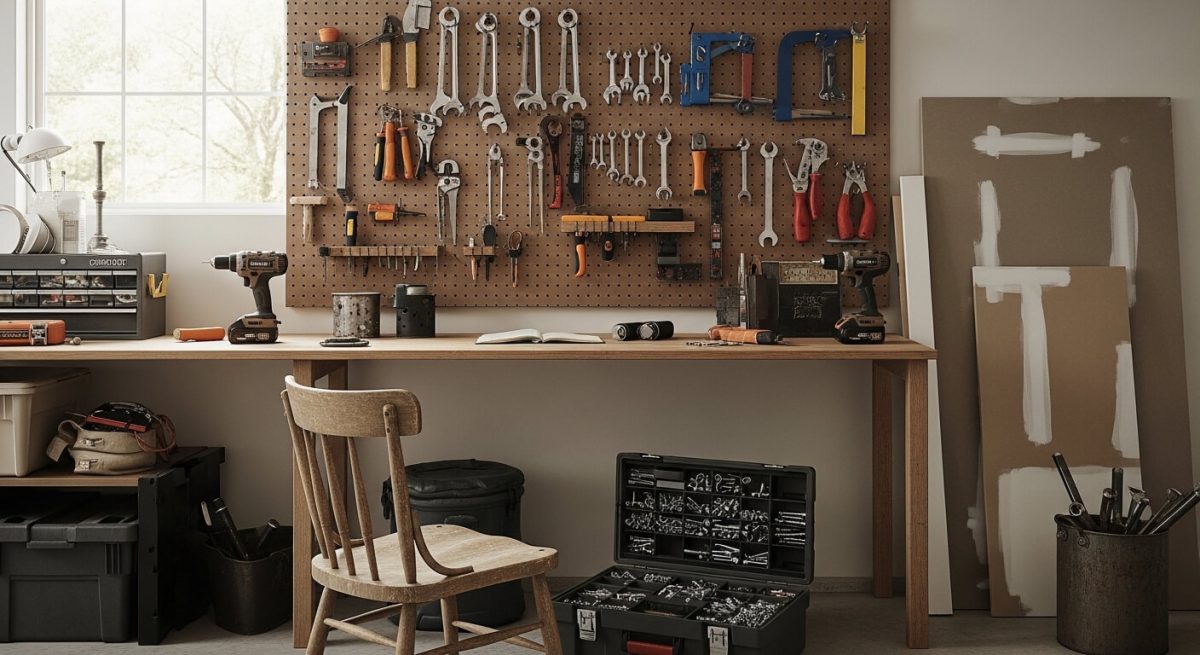
You’ll need a hammer, screwdriver set, pliers, tape measure, utility knife, level, and adjustable wrench for common DIY repairs.
A drill and a stud finder also come in handy for more complex tasks around the house.
How Can I Find a Reliable Handyman in Allen, TX?
To find a reliable handyman in Allen, TX, ask friends for recommendations, check online reviews, and interview candidates.
Make sure they’re licensed and insured, and request quotes to compare pricing and services offered.
What Are Warning Signs That I Should Call a Professional?
If you notice extensive damage, persistent leaks, or electrical issues, it’s time to call a professional.
Don’t ignore safety hazards or complex repairs—those signs often indicate you need expert help to avoid costly mistakes.
Can I DIY Repairs if I’m Renting My Home?
You can DIY repairs in a rental, but check your lease first.
Some landlords require professional work for certain issues.
Always document your repairs and communicate with your landlord to avoid potential disputes later.
How Do I Document My DIY Repairs for Future Reference?
You can document your DIY repairs by taking clear photos, writing detailed notes, and keeping receipts for materials.
Organize everything in a folder or digital file for easy reference in the future.
Conclusion
In the end, deciding whether a home repair is DIY-friendly or needs a handyman comes down to your skills, the repair’s complexity, and potential safety risks. Always weigh your experience against the task at hand, check local regulations, and consider how much time and money you can invest. If a project feels overwhelming or poses safety hazards, it’s best to call in a professional. Trust your instincts, and don’t hesitate to seek help when needed!