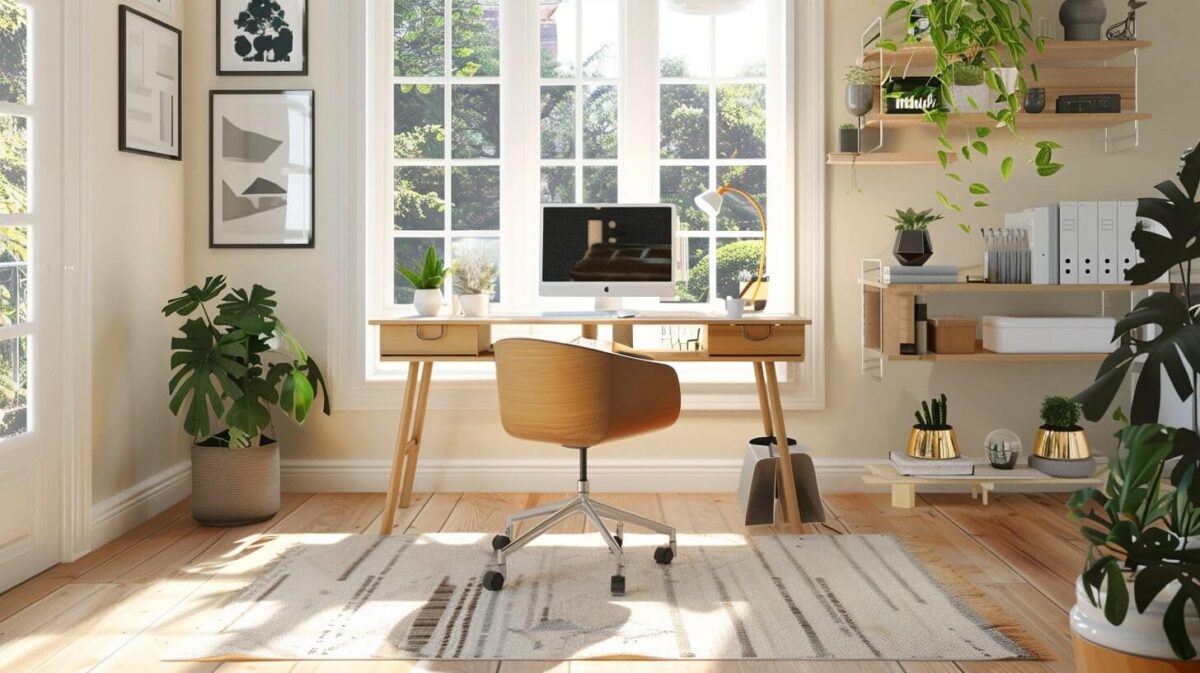

When you’re remodeling your home office in Allen, TX, soundproofing is key to maintaining focus and productivity. You’ll want to start by identifying the main sources of noise, whether it’s traffic or nearby neighbors. Choosing the right soundproofing materials can make a significant difference, but you might be surprised at how simple adjustments can also enhance your space. As you consider the best ways to minimize distractions, think about how certain design choices can influence your comfort level. Let’s explore some practical strategies that can transform your workspace into a serene environment.
Assess Your Space
To effectively soundproof your home office, you first need to assess your space. Start by identifying the main sources of noise, such as traffic, neighbors, or appliances.
Take note of the room’s layout, including windows, doors, and walls. Consider the materials used in your walls and flooring; some materials absorb sound better than others.
Check for gaps or cracks around windows and doors where sound might seep in. Think about the furniture you have; heavy bookshelves or upholstered pieces can help dampen noise.
Lastly, evaluate your office’s location within your home. If possible, choose a quieter area, away from high-traffic zones.
Choose Soundproofing Materials
Choosing the right soundproofing materials is crucial for minimizing noise in your home office.
Start by considering acoustic panels, which effectively absorb sound and reduce echoes. They’re available in various designs, making it easy to blend them with your decor.
Next, think about soundproof curtains; these heavy fabrics can block outside noise while adding style to your workspace.
Rubber mats or soundproofing underlayment can also be beneficial if you have hard flooring, as they help dampen sound vibrations.
For walls, insulation materials like fiberglass or foam can significantly enhance soundproofing.
Lastly, don’t overlook door sweeps and soundproofing seals; they can dramatically reduce noise infiltration.
Seal Gaps and Cracks
Many homeowners overlook the importance of sealing gaps and cracks when soundproofing their home office. These small openings can let in unwanted noise and disrupt your focus.
Start by inspecting windows and doors for any gaps; use weatherstripping or caulk to seal them. Pay attention to outlets, light fixtures, and vents as well, as these can also be sources of sound leakage.
Don’t forget to check the baseboards and corners; applying acoustic sealant can help reduce noise transmission here too.
Optimize Room Layout
After sealing gaps and cracks, the next step in enhancing your home office’s soundproofing is optimizing the room layout.
Position your desk away from shared walls and windows, which can transmit noise. Ideally, place it in a corner or against a wall that faces away from busy areas.
Use bookshelves or cabinets as sound barriers; they can absorb sound and provide additional insulation.
Consider the flow of the room; keep pathways clear to maintain a comfortable working environment.
If possible, arrange furniture to create a cozy nook that encourages focus, reducing distractions from outside noise.
Lastly, ensure your office has adequate lighting without relying on noisy fixtures, allowing you to work efficiently in a peaceful setting.
Incorporate Soft Furnishings
Soft furnishings play a crucial role in soundproofing your home office, helping to absorb sound and reduce noise levels. By incorporating items like curtains, rugs, and upholstered furniture, you can create a more serene workspace.
Thick, heavy curtains not only block outside noise but also minimize echoes within the room. A plush area rug can dampen sound from hard surfaces, making conversations and phone calls clearer.
Additionally, consider adding cushions or upholstered chairs, which can further absorb sound. When selecting these furnishings, opt for dense materials that provide the best sound absorption.
Frequently Asked Questions
How Much Does Soundproofing a Home Office Typically Cost in Allen, TX?
Soundproofing a home office in Allen, TX usually costs between $1,000 to $3,000, depending on materials and labor.
You’ll want to consider your specific needs and budget when planning this improvement for your workspace.
Are There Local Contractors Specializing in Soundproofing for Home Offices?
Yes, there are local contractors specializing in soundproofing for home offices.
You can find professionals through online directories or by asking for recommendations from friends.
Be sure to compare quotes to get the best deal.
Can I Soundproof a Rented Office Space Effectively?
Yes, you can soundproof a rented office space effectively.
Use removable acoustic panels, rugs, and heavy curtains.
Additionally, strategically placing furniture can help absorb sound, creating a quieter, more productive environment without permanent changes.
What Are the Best DIY Soundproofing Solutions for Budget-Conscious Remodels?
For budget-conscious remodels, you can use heavy curtains, foam panels, and rugs to absorb sound.
Seal gaps with weatherstripping, and consider bookcases as sound barriers.
These solutions effectively reduce noise without breaking the bank.
How Long Does It Take to Soundproof a Home Office?
Soundproofing a home office typically takes a few hours to a few days, depending on the methods you choose.
You’ll want to assess your space and plan accordingly for the best results.
Conclusion
By following these soundproofing tips, you can transform your home office into a peaceful and productive haven. Assess your space, select the right materials, seal any gaps, optimize your layout, and incorporate soft furnishings to absorb sound. With a little effort, you’ll create an environment that minimizes distractions and enhances your focus. Enjoy the benefits of a well-soundproofed home office in Allen, TX, where you can work efficiently and comfortably.