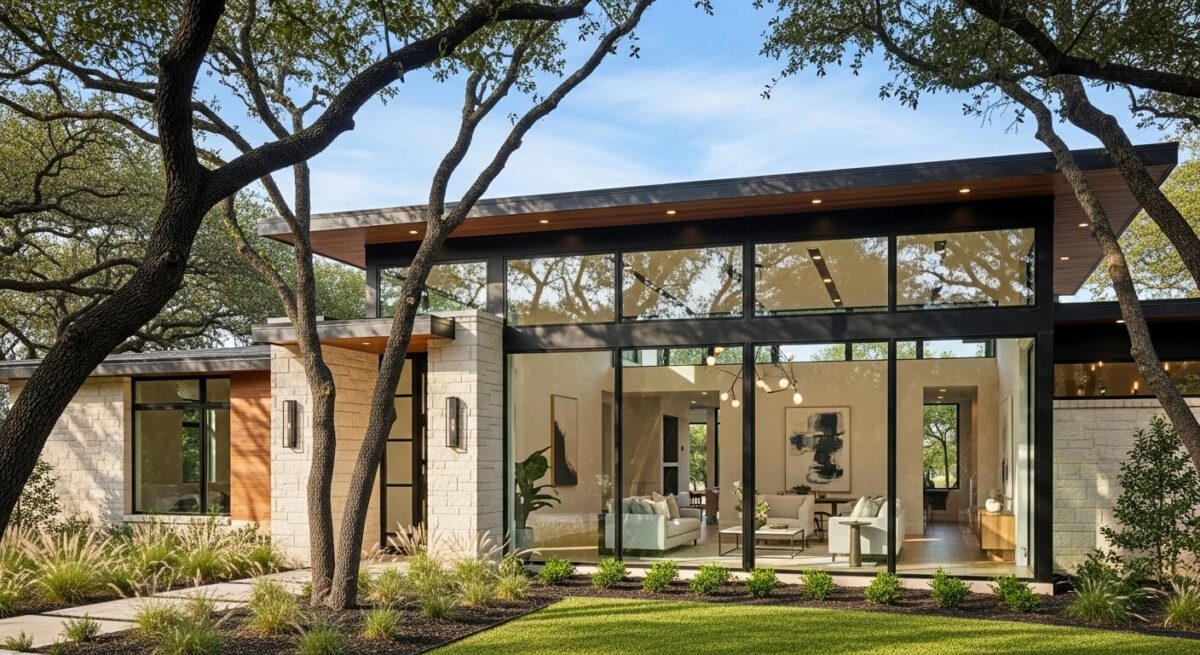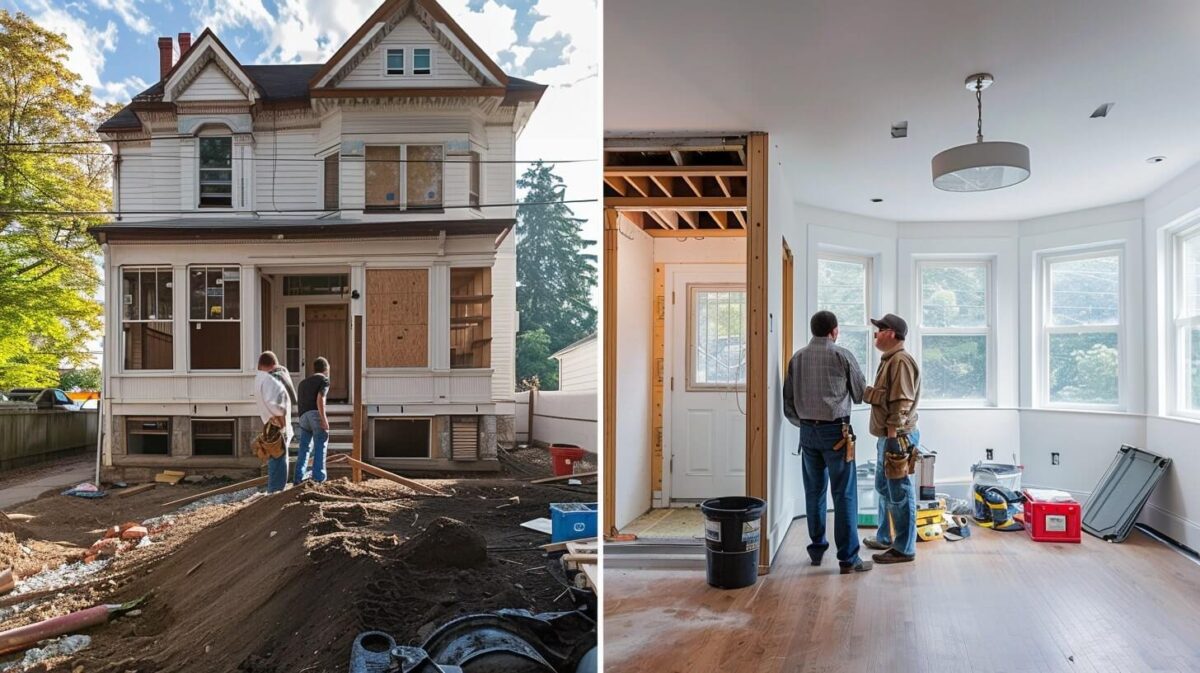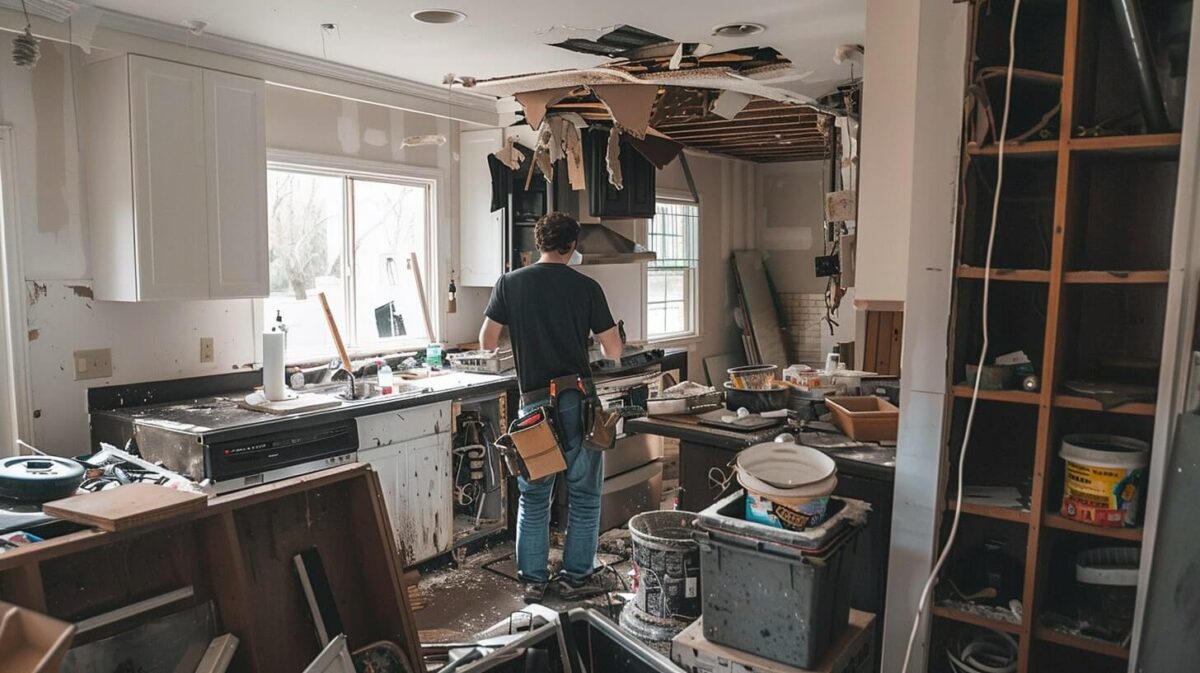
For multi-generational living in Allen, TX, start by evaluating your space and needs, such as the number of bedrooms and bathrooms. Consider designing separate living areas like an attic suite or garage apartment. Enhance privacy with soundproofing and strategic furniture placement. Create functional shared spaces with an open layout, ensuring everyone’s needs are met. Don’t overlook safety features for seniors, like non-slip flooring and grab bars. Discover more ideas that fit your family’s lifestyle and preferences.
Assessing Your Space and Needs
How do you know if your home is ready for multi-generational living? Start by evaluating your current space.
Check if there are enough bedrooms and bathrooms to accommodate everyone comfortably. Consider the flow of your home; can family members move around easily?
Think about accessibility for older relatives—are there stairs or narrow hallways? Assess your shared spaces; is there room for communal activities without crowding?
Finally, reflect on your family’s needs. What’re the age ranges and preferences? Understanding these factors helps you determine if your home can support a harmonious multi-generational environment.
Designing Separate Living Areas
While creating a harmonious multi-generational living environment is essential, designing separate living areas can enhance privacy and comfort for everyone involved.
Consider converting a basement or attic into a self-contained suite, complete with a kitchenette and bathroom. You might also look into adding a small apartment above the garage.
Use room dividers or sliding doors to create designated spaces within larger rooms. Incorporating separate entrances can further boost independence.
Choose soundproof materials to help minimize noise between areas. By thoughtfully designing these spaces, you can foster both togetherness and personal retreat, making everyone feel at home.
Enhancing Privacy for All Generations
Creating separate living areas lays the groundwork for enhancing privacy for all generations in a multi-generational home. You can achieve this by adding soundproofing materials to shared walls or installing pocket doors for easy access while maintaining boundaries.
Consider using room dividers or curtains to create personal spaces without permanent alterations. Placing furniture strategically helps define areas while promoting privacy.
If possible, add a secondary entrance to provide private access for one generation. Outdoor spaces, like patios or gardens, can also serve as private retreats.
These changes not only boost comfort but also foster harmony among family members living together.
Creating Functional Shared Spaces
To foster a sense of togetherness in a multi-generational home, it’s important to design shared spaces that cater to everyone’s needs.
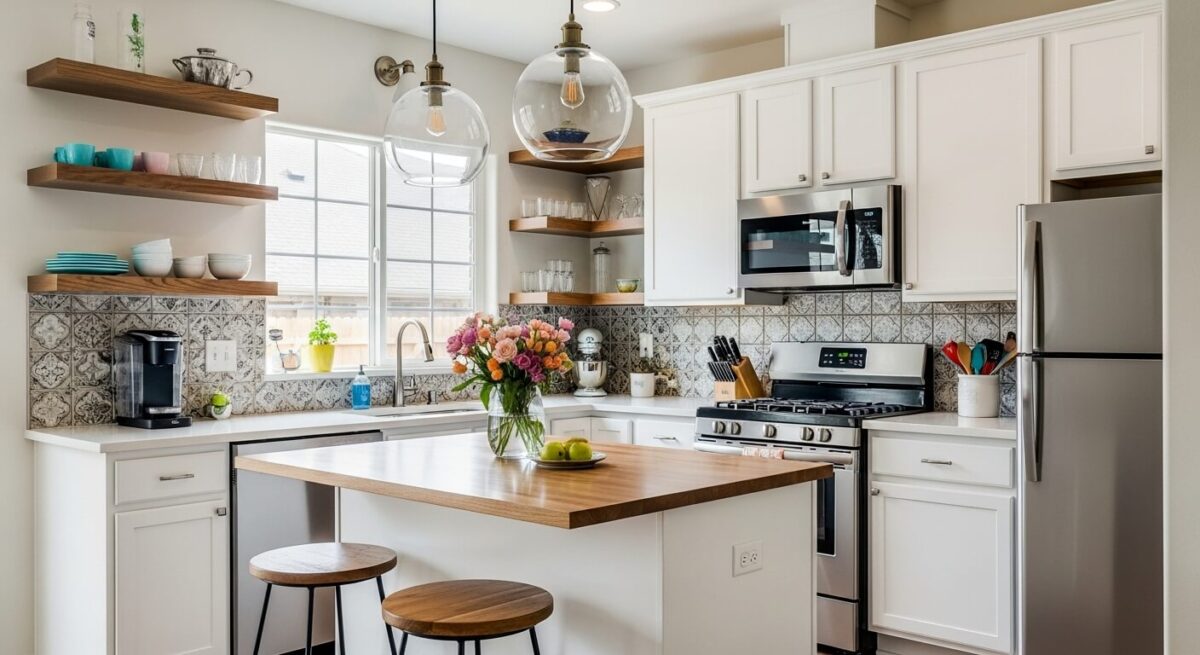
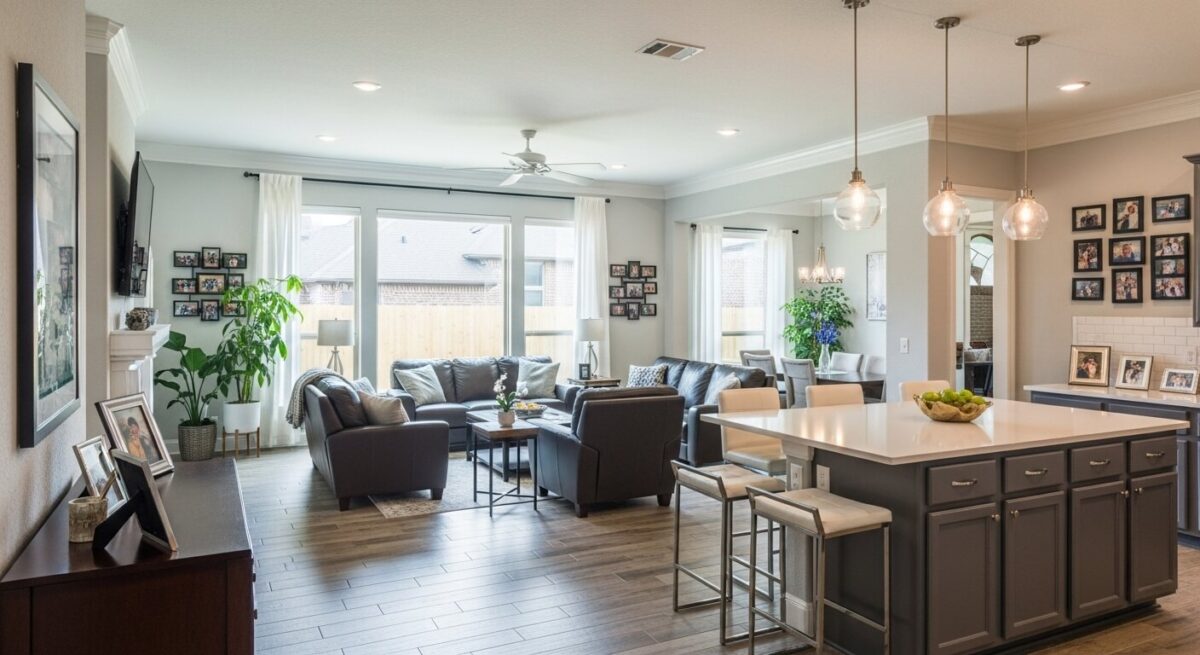
Start by creating an open layout that allows for easy movement and interaction. Incorporate flexible furniture, like a large dining table, where family members can gather for meals or activities.
Use multi-functional areas, such as a combined living and play area, to maximize usability. Don’t forget to include quiet nooks for individual relaxation.
Incorporating Safety Features for Seniors
Shared spaces play an essential role in fostering connection, but it’s equally important to guarantee those areas are safe for all family members, especially seniors.
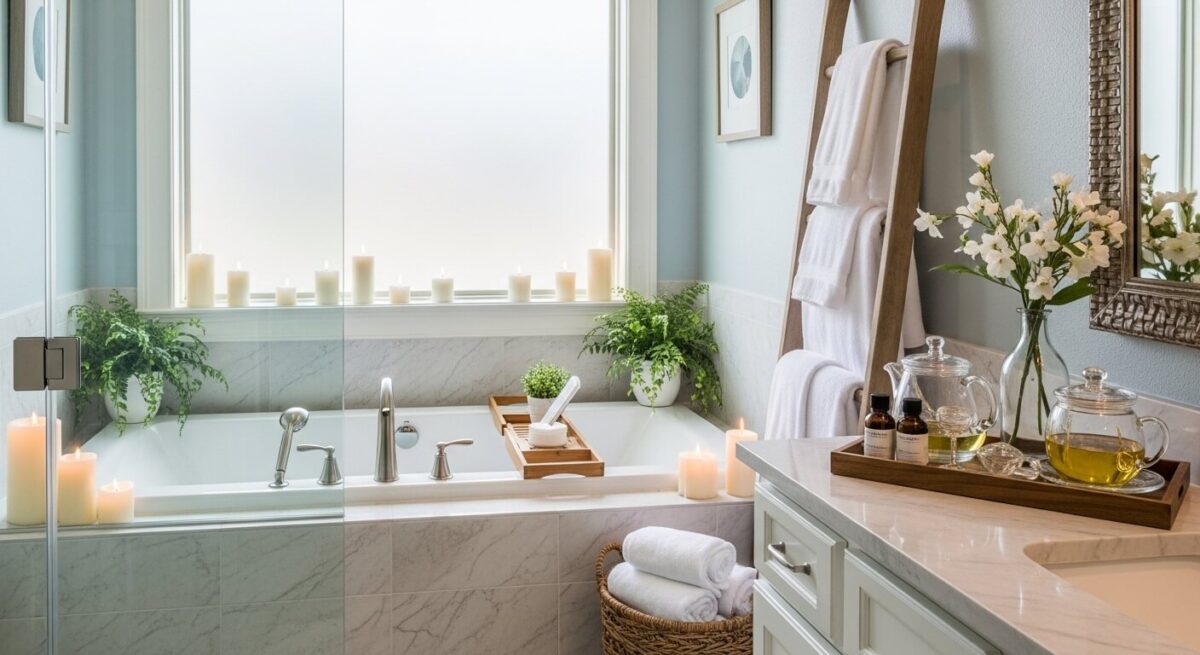
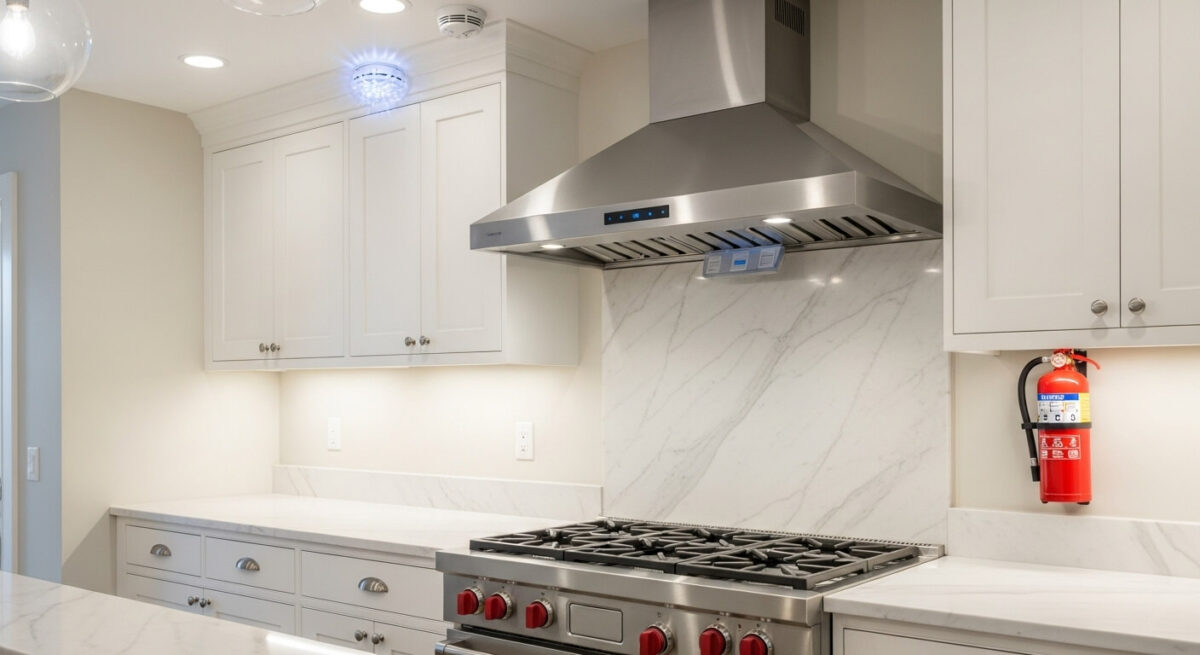
Start by installing non-slip flooring to prevent falls, and use bright, even lighting to enhance visibility. Consider adding grab bars in bathrooms and near stairs for extra support.
You might also want to minimize clutter to create clear pathways. If possible, choose furniture with rounded edges to avoid injuries.
Finally, think about incorporating smart home technology, like voice-activated lights, to make daily tasks easier and safer for your senior loved ones.
Safety and comfort go hand in hand!
Frequently Asked Questions
What Are the Benefits of Multi-Generational Living in Allen, TX?
Multi-generational living in Allen, TX, offers financial savings, shared responsibilities, and stronger family bonds.
You’ll enjoy companionship, shared childcare, and the ability to support each other, making life more enriching and fulfilling for everyone involved.
How Can I Finance a Multi-Generational Home Remodel?
You can finance a multi-generational home remodel through personal loans, home equity lines of credit, or government programs.
Explore local grants and consider collaborating with family to share costs and responsibilities for the project.
What Local Zoning Laws Affect Multi-Generational Living Arrangements?
Local zoning laws often dictate the number of units per property, parking requirements, and occupancy limits.
You’ll want to check with your city’s planning department to verify your multi-generational living arrangement complies with all regulations.
How Do I Choose the Right Contractor for My Remodel?
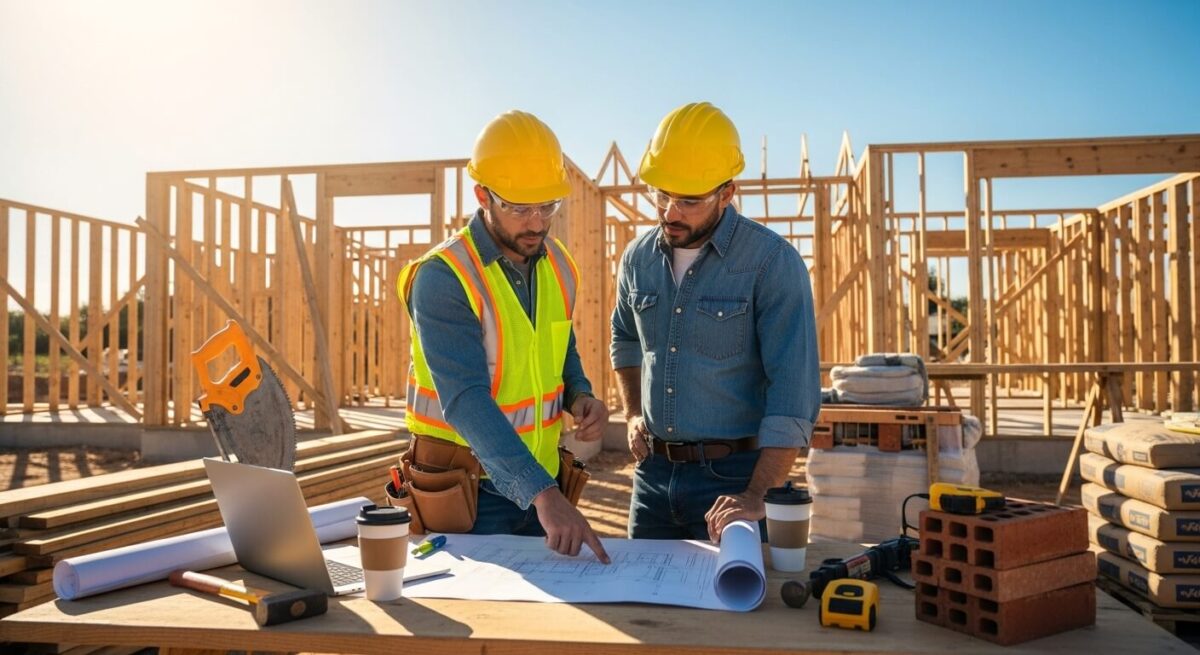
To choose the right contractor for your remodel, research local options, read reviews, check references, and interview candidates.
Verify they understand your vision and budget, and always ask for a detailed written estimate before starting.
What Are the Best Design Trends for Multi-Generational Homes?
You’ll love open floor plans for flexibility, private suites for independence, and multifunctional spaces to accommodate varied needs.
Incorporating universal design elements guarantees accessibility, while warm, inviting colors create a sense of togetherness for everyone.
Conclusion
By thoughtfully remodeling your Allen, TX home for multi-generational living, you can create a harmonious environment that meets everyone’s needs. With separate living areas, enhanced privacy, and functional shared spaces, you can ensure comfort for all family members. Don’t forget to incorporate essential safety features, especially for seniors. Embrace the opportunity to strengthen family bonds while providing each generation with their own space to thrive. Your home can be a place where everyone feels at home.