

"Discover essential tips for remodeling historic homes in Allen, TX, and learn how to preserve charm while enhancing modern efficiency—your dream home awaits. "
Cory Mangrove
October 4, 2025
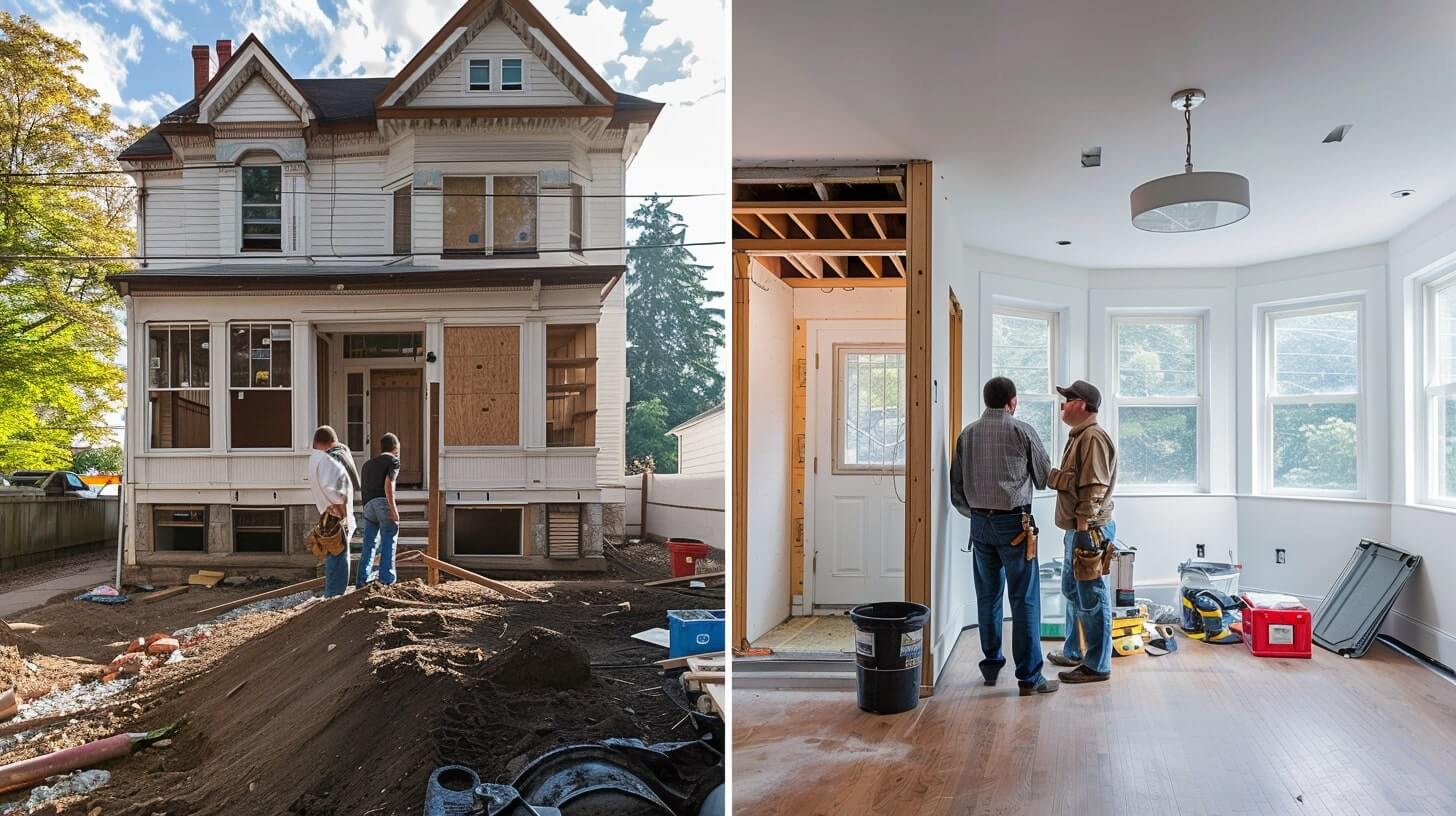
When you're considering remodeling a historic home in Allen, TX, it's essential to grasp the local regulations that govern such projects. You'll want to preserve the unique architectural features that give your home its character while using materials that honor the original design. Collaborating with preservation experts can guide you through this process and help maintain authenticity. However, balancing modern efficiency with historic charm can be tricky. You might be wondering how to achieve that perfect blend without sacrificing the home's integrity—let's explore some effective strategies to navigate this challenge.
Understand Local Regulations
Before you dive into remodeling your historic home, it's crucial to understand local regulations that may affect your project. Many areas have specific guidelines to preserve the character of historic neighborhoods.
You'll want to check with your city's planning department to learn about zoning laws, permits, and any restrictions on exterior modifications. Get familiar with any historical designations your property might have, as these can dictate what materials or designs you can use.
Don't forget to inquire about potential tax incentives or grants for restoration work, as these can help offset costs. By doing your homework upfront, you'll ensure your remodeling project complies with regulations and preserves the essence of your historic home.
This preparation can save you time and money down the line.
Preserve Historical Features
Many historic homes boast unique architectural details that add character and charm, so it's essential to preserve these features during your remodeling project.
Start by identifying the key elements that define your home's style, such as moldings, staircases, or fireplace surrounds. Make a plan to maintain or restore these characteristics rather than replacing them.
If repairs are necessary, look for skilled craftsmen who specialize in historic restoration techniques. You might also consider using salvaged materials that match the original design, ensuring a seamless blend of old and new.
Choose Appropriate Materials
Preserving historical features sets the foundation for your remodeling project, but choosing the right materials is equally important.
You'll want to use materials that reflect the original architecture and maintain authenticity. When selecting wood, brick, or stone, opt for local options that match the existing structures. Reclaimed materials can add character while being eco-friendly.
Pay attention to colors and finishes; they should align with the home's historical palette. If you need to replace features like windows or doors, look for replicas that mimic the originals in style and function. This not only enhances your home's charm but also upholds its heritage.
Always consult local regulations, as some areas have specific guidelines for material usage in historic homes.
Enhance Energy Efficiency
While maintaining the charm of your historic home, you can also enhance its energy efficiency without compromising its character.
Start by sealing gaps around windows and doors to prevent drafts. Upgrading to energy-efficient windows that mimic the original style can significantly reduce energy loss.
Adding insulation in the attic and walls helps keep your home comfortable year-round. Consider installing a programmable thermostat to optimize heating and cooling.
You might also explore installing energy-efficient appliances that fit your home's aesthetic. When updating lighting, choose LED options that resemble vintage bulbs.
Lastly, landscaping can play a role; strategically placed trees provide shade and windbreaks, naturally regulating your home's temperature.
These upgrades not only improve efficiency but also preserve your home's unique charm.
Collaborate With Experts
Successful remodeling of a historic home often hinges on collaboration with experts who understand the unique challenges and opportunities these properties present.
Start by connecting with architects and contractors who specialize in historic preservation. They'll help you navigate local regulations and maintain the home's character while making necessary updates.
Don't overlook the value of consulting with preservationists who can provide insights into the building's original design and materials.
Additionally, interior designers familiar with historic homes can guide you in selecting furnishings that complement your space's charm.
By working closely with these experts, you'll ensure that your remodeling project respects the home's history while enhancing its functionality for modern living.
It's a partnership that pays off in preserving your home's legacy.
Frequently Asked Questions
What Are Common Mistakes to Avoid When Remodeling Historic Homes?
When remodeling historic homes, you should avoid ignoring architectural integrity, using inappropriate materials, and underestimating local regulations.
Always respect the original character, and don't rush the process; take time to plan thoughtfully for lasting results.
How Can I Find Historical Design Inspiration for My Project?
To find historical design inspiration for your project, explore local archives, visit museums, and browse online resources.
Don't overlook social media platforms where enthusiasts share ideas and photos of vintage designs that spark creativity.
Are There Grants Available for Remodeling Historic Homes in Allen?
Yes, there are grants available for remodeling historic homes in Allen.
You can check with local preservation organizations or the city's planning department to find funding opportunities that support your renovation project.
How Does Remodeling Affect Property Value in Historic Districts?
Remodeling in historic districts can significantly enhance your property's value.
Can I Change the Layout of My Historic Home?
You can change the layout of your historic home, but you'll need to check local regulations first.
Preserving its historical integrity is essential, so consider consulting an expert to ensure your renovations align with preservation standards.
Conclusion
In remodeling your historic home in Allen, TX, remember to respect its unique character while embracing modern comforts. By understanding local regulations and collaborating with skilled craftsmen, you can preserve its charm and authenticity. Choose materials that reflect the original design, and focus on enhancing energy efficiency without compromising style. With thoughtful planning and attention to detail, you'll create a beautiful, functional space that honors the past while meeting today's needs.